
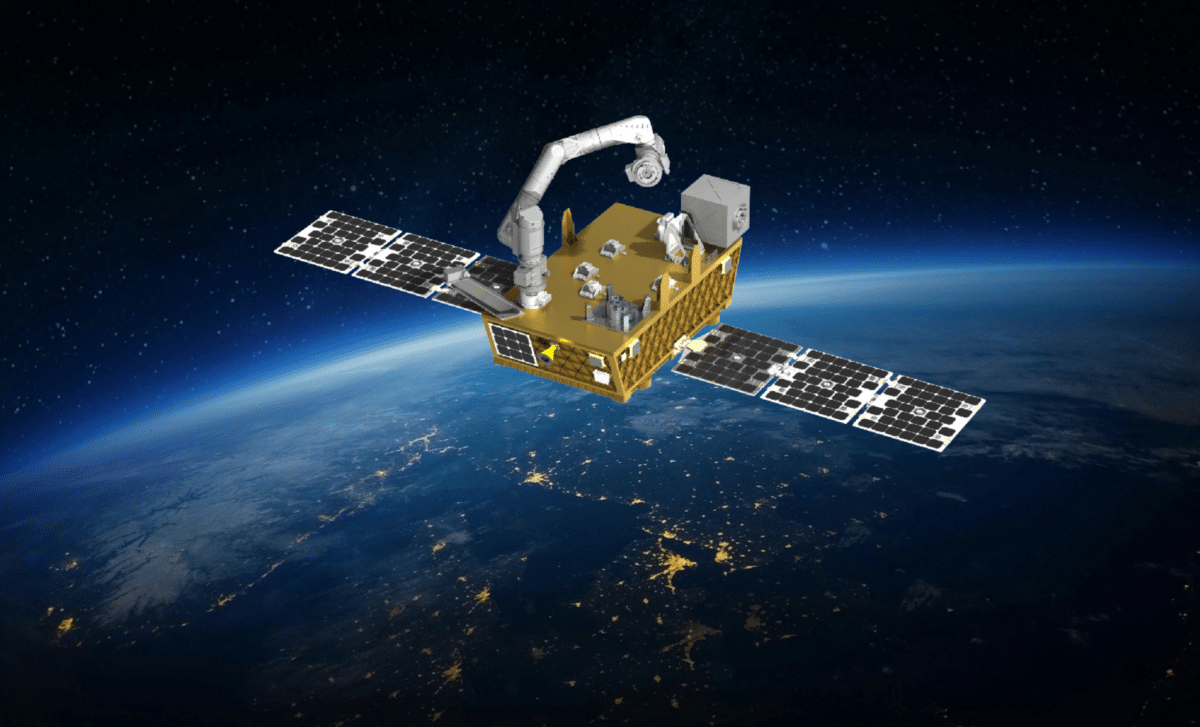
NASA is preparing to launch a cutting-edge gamma-ray sensor called AstroPix as part of the upcoming Fly Foundational Robots mission slated for late 2027. Though compact in design, this technology aims to bridge a critical gap in gamma-ray observations, enhancing our ability to study gamma-ray bursts, supermassive black hole-hosting galaxies, and some of the universe’s most powerful energetic events.
AstroPix: Transforming Gamma-Ray Astronomy
Gamma rays are the universe’s most energetic form of light, generated by extreme phenomena such as massive stellar explosions, intense solar flares, and distant cosmic collisions billions of light-years away. While gamma rays offer key insights into high-energy cosmic events, current instruments struggle to effectively observe certain energy bands within this spectrum.
Engineered specifically to explore these challenging ranges, AstroPix detectors target gamma rays with energies from 20,000 to 700,000 electron volts, extending well beyond the visible spectrum. Their enhanced sensitivity near 500,000 to 1 million electron volts is crucial, as this band hosts intense radiation from gamma-ray bursts and emissions from active galaxies powered by gigantic black holes. Scaling up by integrating multiple AstroPix units could lead to sophisticated observatories capable of highly precise measurements, shedding light on matter under extreme conditions and unveiling the mechanisms behind the universe’s most energetic sources.

Testing AstroPix Beyond Earth’s Atmosphere
Demonstrating new space technologies often faces challenges reaching orbit, with many tests confined to brief balloon missions or sounding rockets. AstroPix, however, will benefit from a prolonged orbital test environment during the Fly Foundational Robots mission.
“The Fly Foundational Robots mission serves as both a technology testbed and a perfect match for our AstroPix experiment,” explained Dan Violette, a postdoctoral researcher on the AstroPix project at NASA’s Goddard Space Flight Center.
“We need to thoroughly test AstroPix’s performance before we can use the sensors in future science missions. We’ve flown comparable technologies on a scientific balloon mission, and the current prototype eventually will be part of a sounding rocket payload. Many of those flight opportunities only reach near space, though. It’s not often that technology demonstrations like ours can find a ride into orbit.”
Operating in orbit provides a realistic environment to rigorously assess AstroPix’s functionality while capturing valuable scientific observations. The insights gained could influence the design of next-generation gamma-ray observatories and determine AstroPix’s role in future missions throughout this decade. Achieving orbital validation often marks the transition from promising prototypes to fully mission-ready instruments for space technology developers.
Robotic Operations Supporting AstroPix in Space
Officially known as the AstroPix Satellite Technology dEmonstration Payload (A-STEP), this instrument will be integrated inside an Orbital Replacement Unit built by Rocket Lab Robotics. The payload is more than a passenger; it will be part of a demonstration highlighting the potential of robotic spacecraft servicing — showcasing in-orbit relocation and replacement of spacecraft components.
During the mission, a robotic arm from Rocket Lab Robotics will reposition the Orbital Replacement Unit before AstroPix begins its measurements. Such capabilities represent a growing trend toward spacecraft that can be upgraded in orbit, potentially extending mission lifespans and lowering operational expenses.
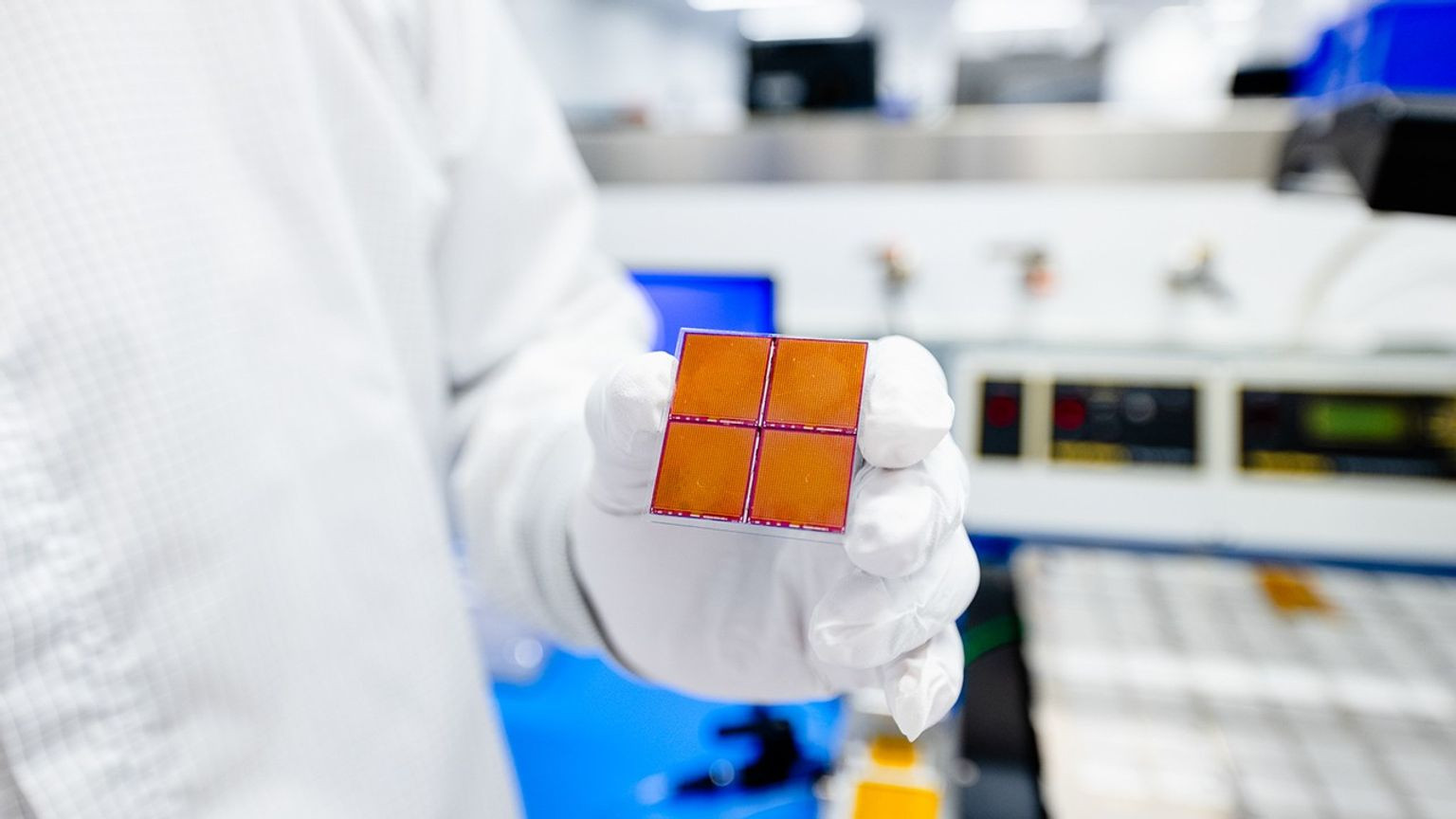
Each AstroPix chip features four silicon gamma-ray detectors, each containing 1,225 pixels. The design resembles smartphone camera sensors but is fine-tuned for capturing high-energy radiation instead of visible light. The payload is fully equipped with the electronics necessary for managing power, data acquisition, and communications while in orbit.
Advancing NASA’s Vision for Modular and Upgradeable Satellites
The mission also serves a broader purpose beyond gamma-ray astronomy, acting as a platform to test new spacecraft servicing technologies with wide-reaching impacts on satellite maintenance and upgrades in space.
“The unit already had the volume, power, and data needed to support the AstroPix team’s design,” said Bo Naasz, senior technical lead, In-space Servicing, Assembly, and Manufacturing in the Space Technology Mission Directorate at NASA Headquarters in Washington. “One of our major goals with Fly Foundational Robots is to demonstrate robotic changeout of payloads in orbit, enabling upgrades or improvements to satellites and space instruments at a fraction of the cost of a full mission. Allowing AstroPix to complete its own technology demonstration in orbit is a bonus.”
As noted by NASA, the ability to swap out instruments on orbit could transform the economics of space exploration and science. Rather than launching entirely new missions to incorporate better technology, future satellites might be serviced and upgraded in place through robotic operations, accelerating scientific advancements while reducing costs for both research and commercial endeavors.
- Categories:
- News








0 comments
Sign in to Comment