
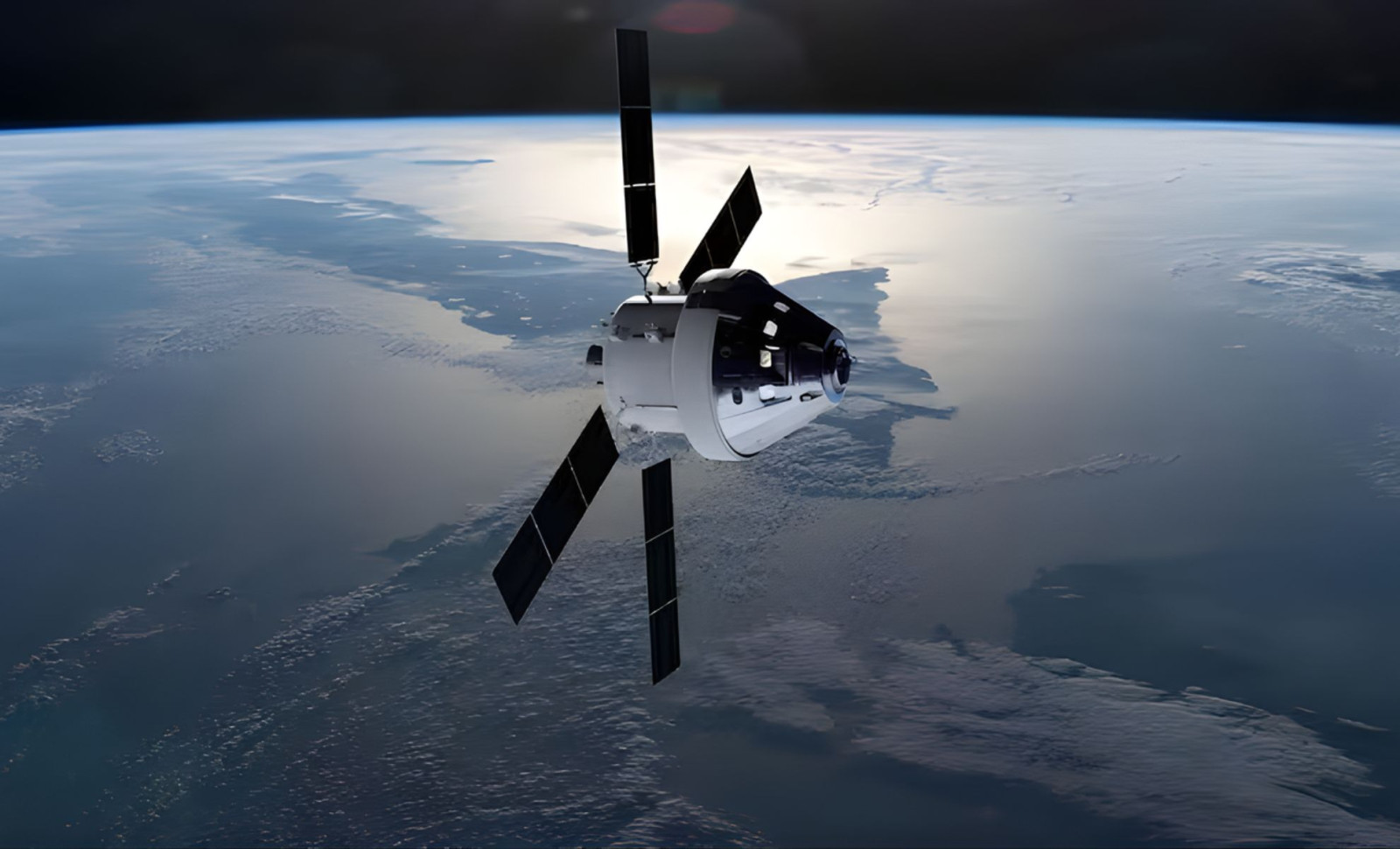
NASA is preparing to send astronauts on a historic journey circling the Moon for the first time since the early 1970s. Planned for February 5, 2026, Artemis 2 represents a vital milestone as humanity aims to reestablish a lasting foothold on the lunar surface. This mission will follow the complete construction of NASA’s Space Launch System rocket at Kennedy Space Center in Florida.
More than five decades after Apollo 17, the Artemis program is reviving lunar exploration under NASA’s leadership, with cooperation from global partners. The upcoming flight, an uncrewed lunar orbit mission, will validate important technologies in preparation for safe human landings to come.
Historic Lift-Off in Florida
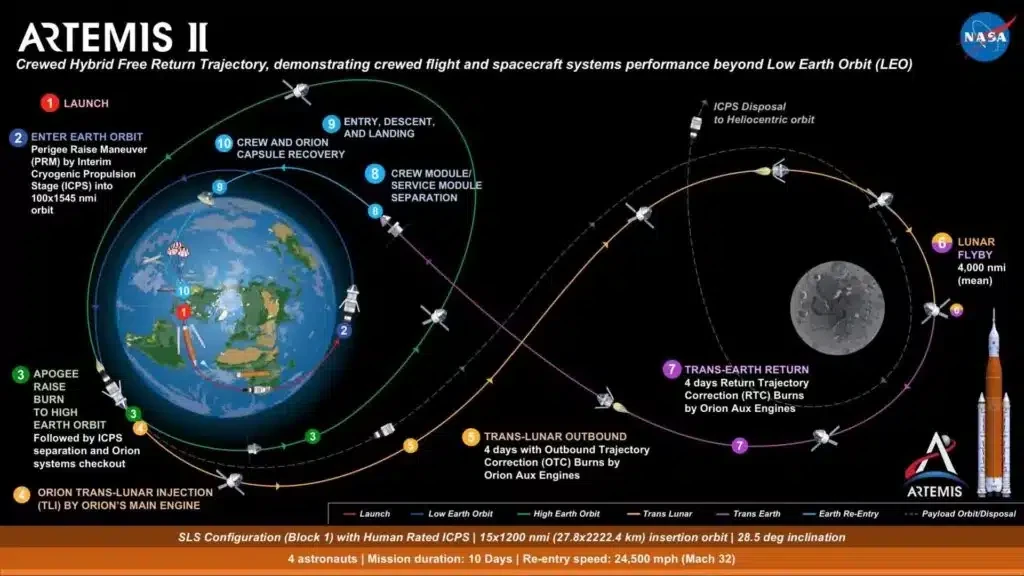
On November 20, 2025, NASA revealed the fully built launch vehicle for Artemis 2 at the Kennedy facility. NASA details that this mission will carry a crew of four astronauts—three from the U.S. and one from Canada—on a ten-day voyage around the Moon. This feat will mark the first crewed lunar mission since 1972.

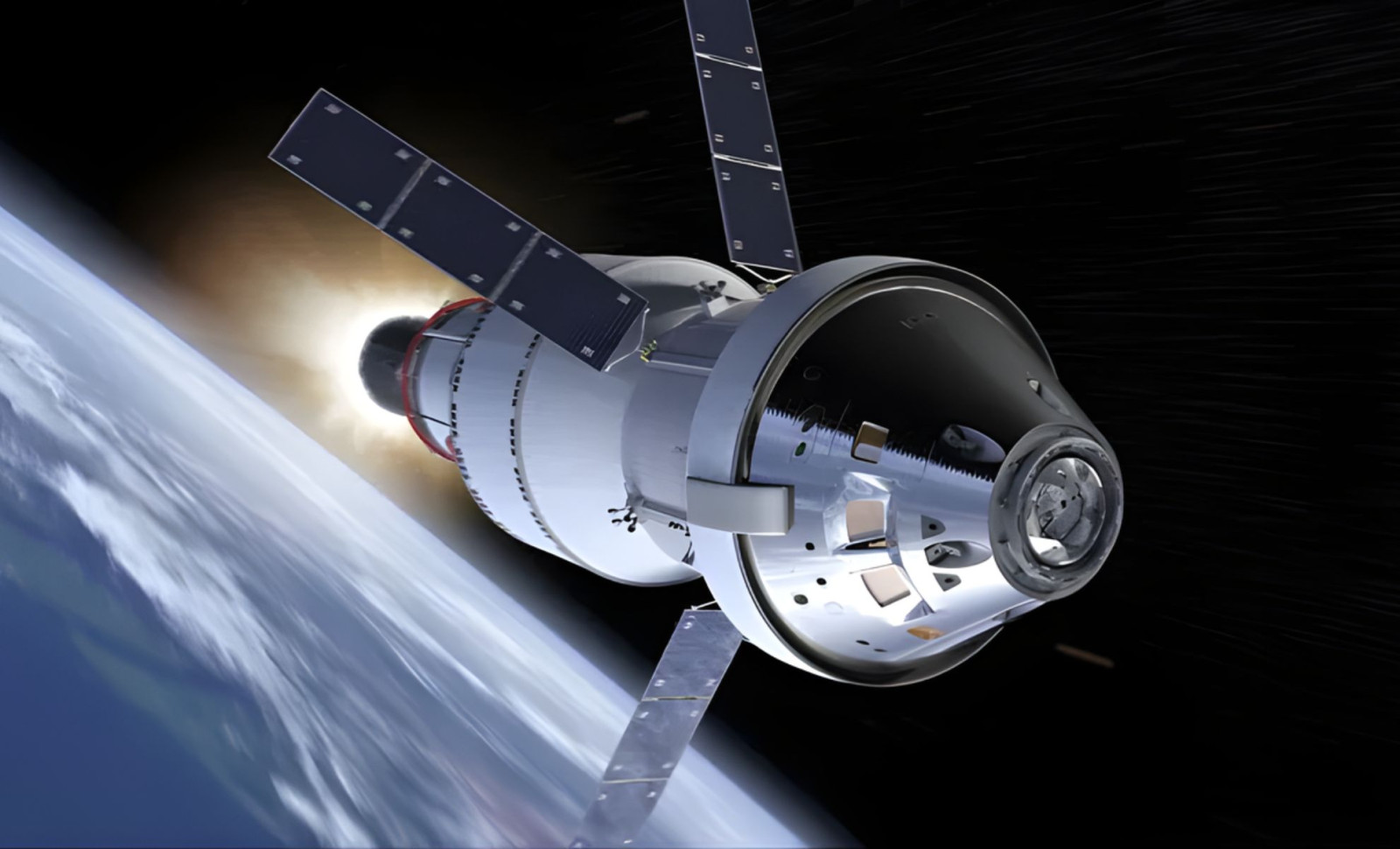
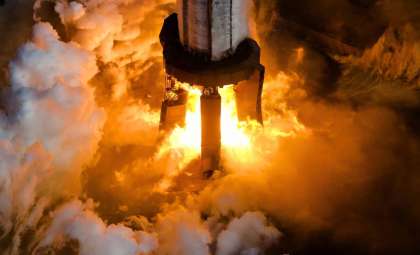
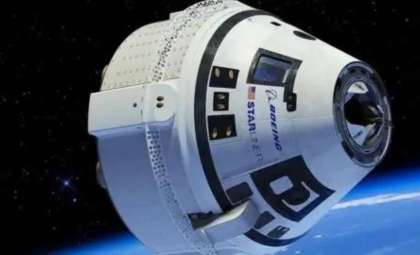
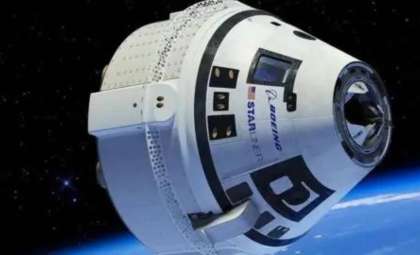
The crew will travel aboard the Orion capsule, NASA's deep-space vehicle, atop the Space Launch System (SLS), an enormous rocket comparable to a 30-story skyscraper. The mission’s goal: orbit the Moon and return astronauts safely to Earth.
Each aspect of Artemis 2 is designed as a rehearsal for Artemis 3, which will aim for a crewed lunar touchdown. This mission will demonstrate humanity’s renewed ability to travel beyond Earth’s orbit and sustain operations on the lunar surface.
Europe’s Significant Contributions
Artemis is a global effort extending beyond NASA. European countries, through the European Space Agency (ESA), play essential roles. The Orion spacecraft features a service module made in Europe that provides propulsion, electrical power, and life-support functions. This component was developed with teams based in Bremen, Germany.
Additional European efforts include pressurized habitation modules intended for upcoming lunar living quarters. In Turin, Italy, aerospace company Thales Alenia Space is creating parts of the lunar infrastructure to support astronauts. Meanwhile, teams near Toulouse in Escalquens work on critical components for later Artemis missions.
“We would like to thank our customer ESA for continuing to place their trust in our ability to build Europe’s two main contributions to the lunar space station… Through our contributions to the ISS, the Axiom commercial space station, and now the lunar space station, we are expanding the possibilities in this field, not only in terms of technology, but also for the safety and comfort of astronauts,” said Hervé Derrey, the company’s chief executive.
Approaching a New Chapter
While Artemis 2 won’t include a lunar landing, it’s a critical precursor to establishing human activities on the Moon. Living on the lunar surface—even briefly—poses complex scientific and engineering challenges. As noted by the U.S. space agency, one main goal is learning how to keep astronauts alive in such an unforgiving environment.
Astronauts will encounter extreme temperature fluctuations, lethal radiation, and abrasive lunar dust. Any lunar habitat must be self-sustaining in aspects like energy, oxygen, and communications—technology still under development and to be validated through Artemis’ future phases.
The long-term vision includes establishing a base near the Moon’s south pole, where frozen water might reside within shadowed craters. This resource could provide critical water and, through electrolysis, fuel for lunar operations.
- Categories:
- Space




0 comments
Sign in to Comment