
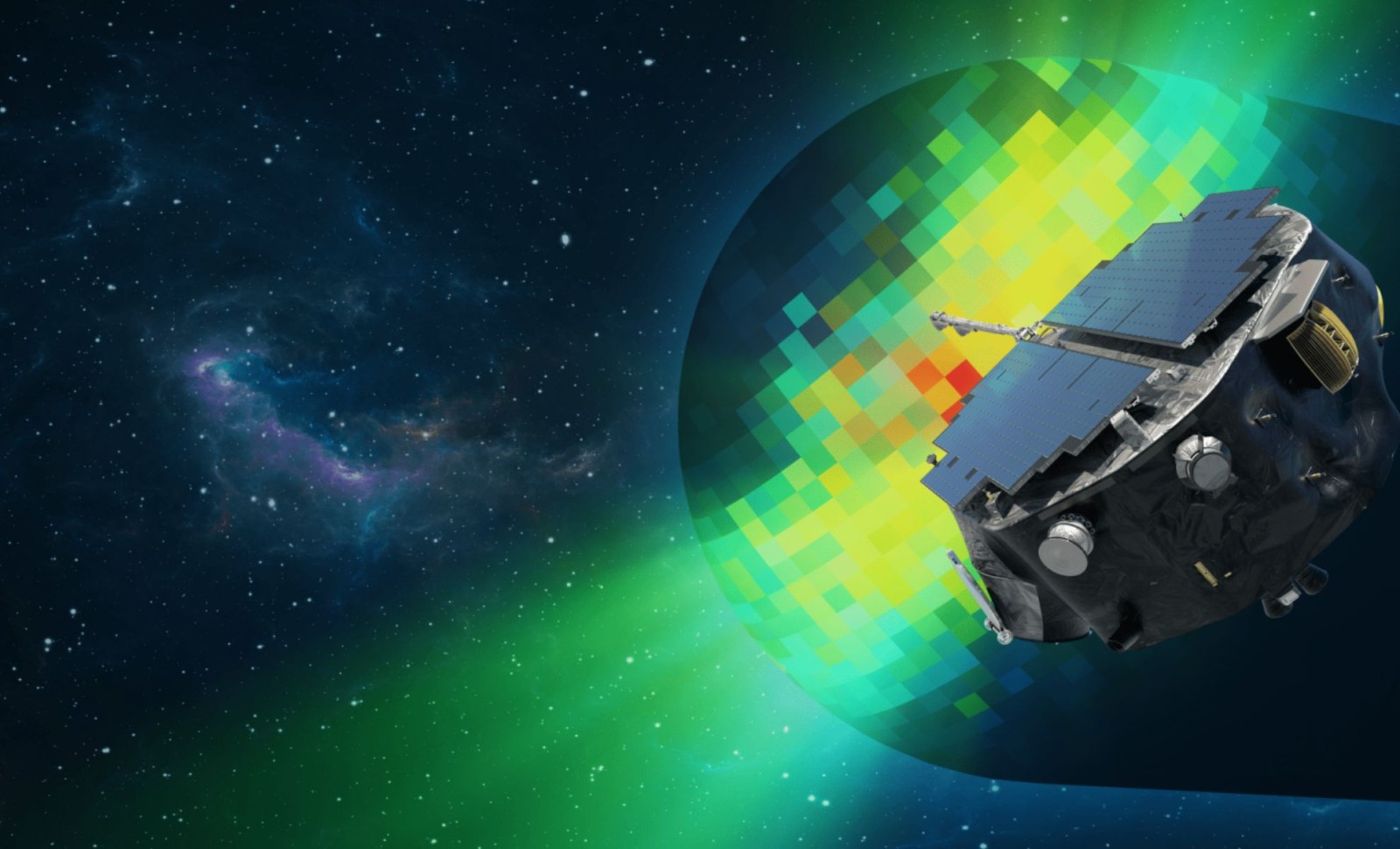
NASA’s Interstellar Mapping and Acceleration Probe (IMAP) has delivered its inaugural observations, marking a crucial milestone in decoding the complexities of space weather and the solar system's frontier. The spacecraft, armed with 10 advanced scientific instruments, has already started sending back important data, priming the mission to explore the heliosphere in unprecedented detail.
Now en route to the Lagrange point 1 (L1) station—about one million miles away from Earth—IMAP is positioned to deepen our understanding of solar wind behavior and how our solar environment interacts with the greater Milky Way.
An Ambitious Mission to Explore the Heliosphere
As part of NASA’s ongoing heliophysics initiative, IMAP’s goal is to thoroughly map the edges of the heliosphere, a massive bubble of charged particles blown by the Sun. Uncovering the workings of this protective shield is essential for grasping how space weather phenomena affect satellites, astronauts, and space technologies.

Brad Williams, NASA Headquarters’ IMAP program executive, shared that the spacecraft surpassed early mission goals, with all instruments fully operational and engaged in data acquisition.
“ All instruments have successfully powered on, and our commissioning remains on track. We have already collected useful data including exercising our near-real-time space weather data stream.”
Decoding the Heliosphere with IMAP’s Instruments
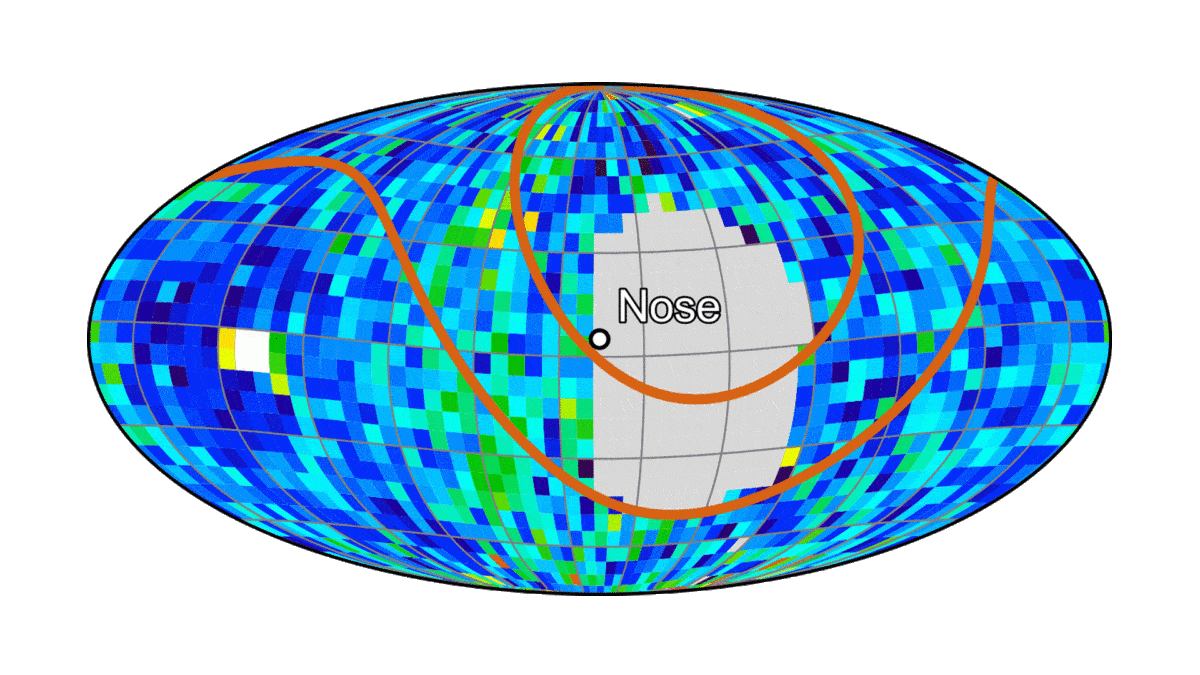
Central to IMAP’s exploration is mapping the heliosphere’s distant perimeter, which extends well beyond Pluto’s orbit. According to a NASA announcement, the mission employs three key instruments — IMAP-Lo, IMAP-Hi, and IMAP-Ultra — designed to detect energetic neutral atoms (ENAs).

David McComas, the mission’s principal investigator at Princeton University, reported that initial ENA data have demonstrated remarkable consistency and clarity across broad energy levels.
“We see such clear and consistent ENA data across the factor of 10,000 in energy covered collectively by the three imagers,” he remarked. “This, plus excellent first light data from all seven of the other instruments, makes for a 10 out of 10, A-plus start to the mission.”
Successful Activation Marks Start of IMAP’s Scientific Journey
All 10 instruments aboard IMAP have been powered on successfully, clearing the commissioning stage—a vital period ensuring everything functions correctly before full science operations commence.
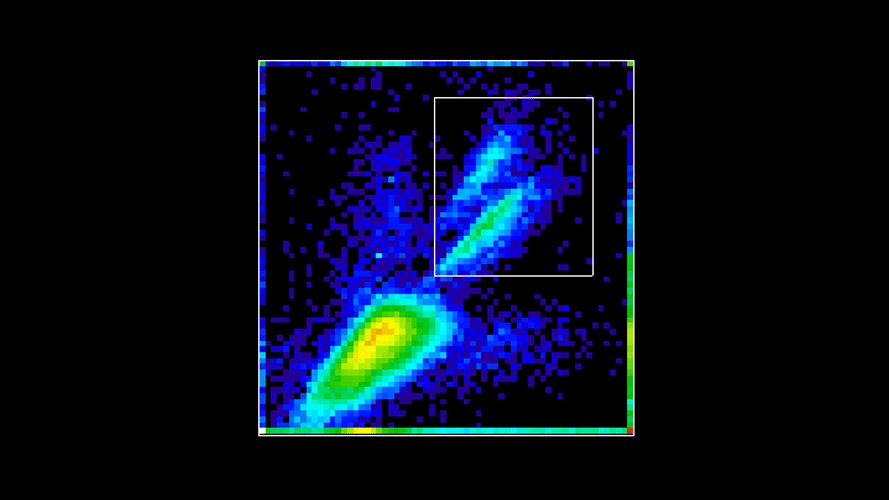
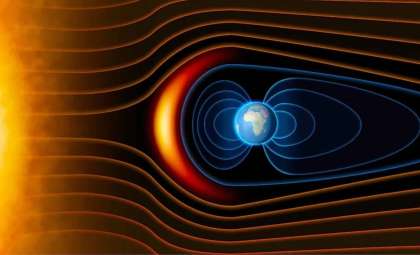
Brad Williams highlighted the early solar wind measurements feeding into space weather monitoring. One notable achievement includes the IMAP-Ultra instrument detecting energetic neutral atoms produced by Earth’s magnetic field, exemplifying the mission’s precision and readiness to gather key observations.
While Earth-generated ENAs are not the mission's main objective, they offer valuable insights into the local space environment around the spacecraft.
Advancing Space Weather Forecasting for Safer Exploration
NASA explains that IMAP’s observations will contribute to the IMAP Active Link for Real-Time (I-ALiRT) system, a tool delivering early alerts for harmful space weather events. This capability is crucial for the safety of astronauts and robotic spacecraft venturing beyond Earth’s protective atmosphere.
The mission is on track to commence full-scale scientific investigations by February 2026. Once fully operational, IMAP will continuously gather data to enhance our knowledge of the Sun’s influence on the solar system and its galactic environment.
- Categories:
- Physics









0 comments
Sign in to Comment