
As astronomical instruments advance, the challenge of distinguishing true planetary atmospheric signatures from stellar interference grows. The latest hurdle is not distance but the intricacy of interpreting signals, such as differentiating water vapour or oxygen present in an exoplanet's atmosphere versus those originating from the star it orbits.
The Pandora mission, now positioned in orbit, aims to clarify these ambiguities. Instead of discovering new planets, Pandora reexamines known exoplanets to separate planetary data from stellar noise, potentially revolutionizing our understanding of alien atmospheres and refining the search for extraterrestrial life.
Dedicated Instrumentation for Accurate Transit Monitoring
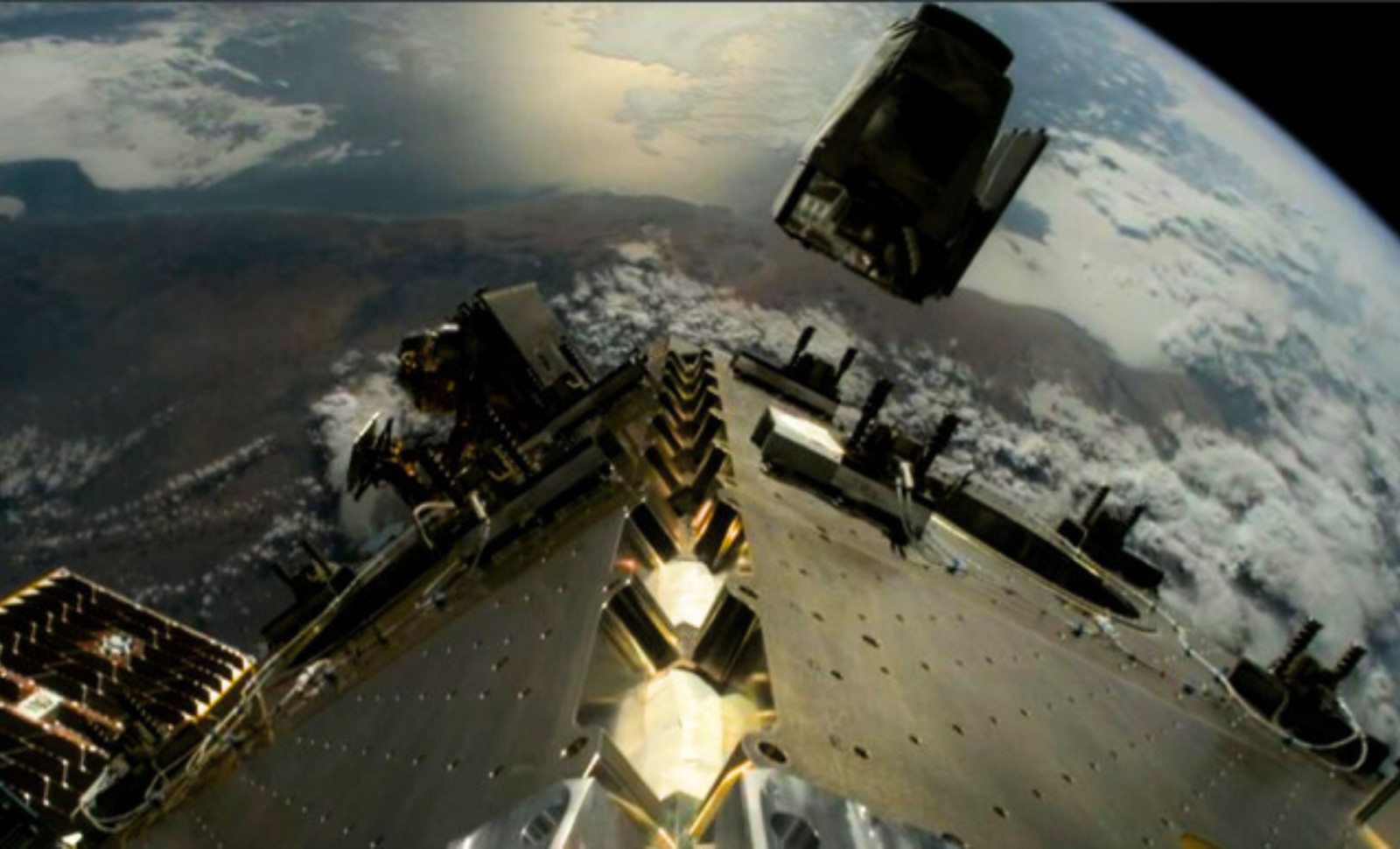
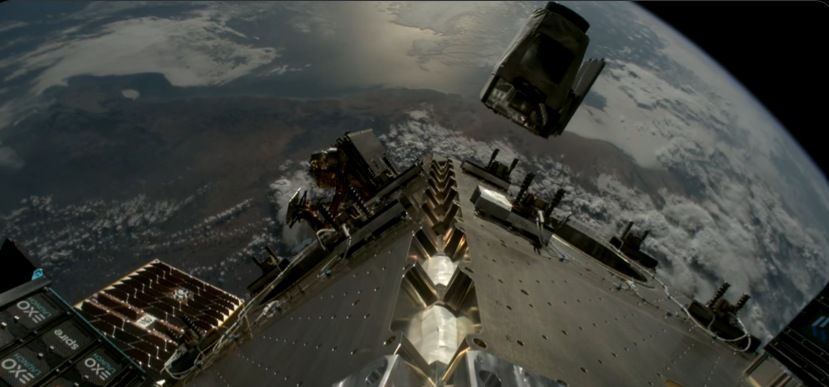
On January 11, Pandora was launched aboard a SpaceX Falcon 9 and successfully reached a steady, sun-synchronous orbit. NASA confirmed the satellite's successful deployment, initiating its commissioning phase. Developed through NASA’s Astrophysics Pioneers program, Pandora captures light from both stars and their orbiting planets during repeated transit events, measuring visible and near-infrared wavelengths with high precision.

The mission targets detailed observation of 20 known exoplanets, monitoring each across 10 complete transit cycles. Observations span 24 hours, capturing data before, during, and after planetary transits to accurately discern planetary signals from stellar effects.
Featuring a 45-centimeter aluminum mirror developed with Corning Incorporated and a near-infrared detector adapted from a James Webb Space Telescope spare, Pandora’s instruments enable refined measurements. The University of Arizona oversees operations, while NASA’s Ames Research Center handles data analysis.
Separating Planetary Atmospheres from Stellar Variability
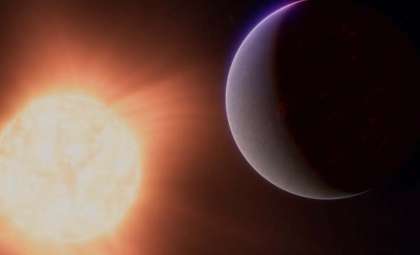
A major difficulty in exoplanet observation is distinguishing the planet's atmospheric signals from the complex surface activity of stars. As starlight filters through a planet's atmosphere during transit, molecules like methane, carbon dioxide, and oxygen imprint absorption patterns. However, stars exhibit variable regions like bright spots, dark patches, and magnetic disturbances that can mimic or obscure these signatures.
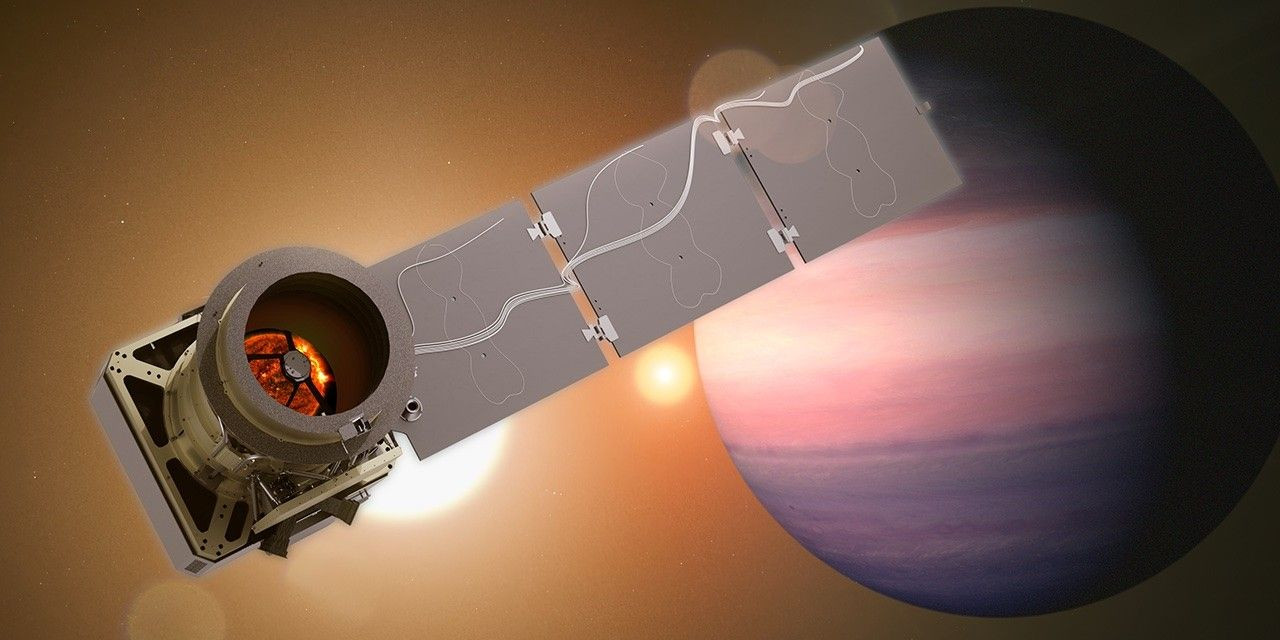
This overlap introduces uncertainty in interpreting planetary atmospheres. As outlined in NASA’s mission objectives for Pandora, even minor stellar surface features can distort or replicate atmospheric signals if not properly accounted for.
“Pandora’s mission is to separate planetary atmospheric data from stellar influences using both visible and near-infrared light,” explained Elisa Quintana, the project’s lead at NASA’s Goddard Space Flight Center. Its extended observation periods and dual-band measurements are designed to correct for stellar variability, improving the reliability of atmospheric characterization compared to missions like TESS, Kepler, and Webb.
Conjoining CubeSats in a Broader Scientific Context
Along with Pandora, two other CubeSats—SPARCS (Star-Planet Activity Research CubeSat) and BlackCAT (Black Hole Coded Aperture Telescope)—were launched, both developed under NASA’s Astrophysics CubeSat program. These missions were part of the ELaNa 60 launch, supported by the CubeSat Launch Initiative (CSLI), which enables affordable access to space for educational and scientific projects.
SPARCS, created by Arizona State University, focuses on ultraviolet flare activity in low-mass stars and its effects on surrounding planets. Meanwhile, BlackCAT, designed at Pennsylvania State University, employs a large-field X-ray detector to capture transient high-energy events like gamma-ray bursts. While these CubeSats function independently, they exemplify NASA’s trend towards specialized, smaller missions complementing major observatories.
NASA highlights that over 150 CubeSats have launched through the CSLI program, accomplishing both research and educational missions. The detailed role of CSLI involves providing opportunities for hands-on spacecraft development for students and researchers. Blue Canyon Technologies developed the spacecraft platforms for both Pandora and SPARCS, while Livermore National Laboratory led systems engineering and integration for Pandora.
Open Data and the Mission's Scientific Potential
Once fully operational, Pandora will carry out a primary science phase lasting one year. NASA ensures that all collected data will be publicly accessible, enabling researchers worldwide—planetary experts, atmospheric scientists, and telescope teams alike—to enhance their analysis of distant exoplanet atmospheres.
Unlike flagship observatories, Pandora is not tasked with discovering new planets or conducting large-scale surveys. Instead, it aims to refine the accuracy of atmospheric signals from confirmed systems, aiding in the prioritization of future targets and reassessment of past observations affected by stellar variability.
With upcoming projects like the Habitable Worlds Observatory, refining techniques to subtract stellar interference is crucial. Pandora’s insights could set detection standards and correction protocols for future observatories focused on identifying biosignatures on rocky exoplanets.
Remaining challenges include understanding how stellar noise varies across different star types, tracking the variability of planetary atmospheres over observation timescales, and overcoming limits in distinguishing planetary properties from stellar phenomena, even with extended multi-wavelength data collection.
- Categories:
- Space






0 comments
Sign in to Comment