
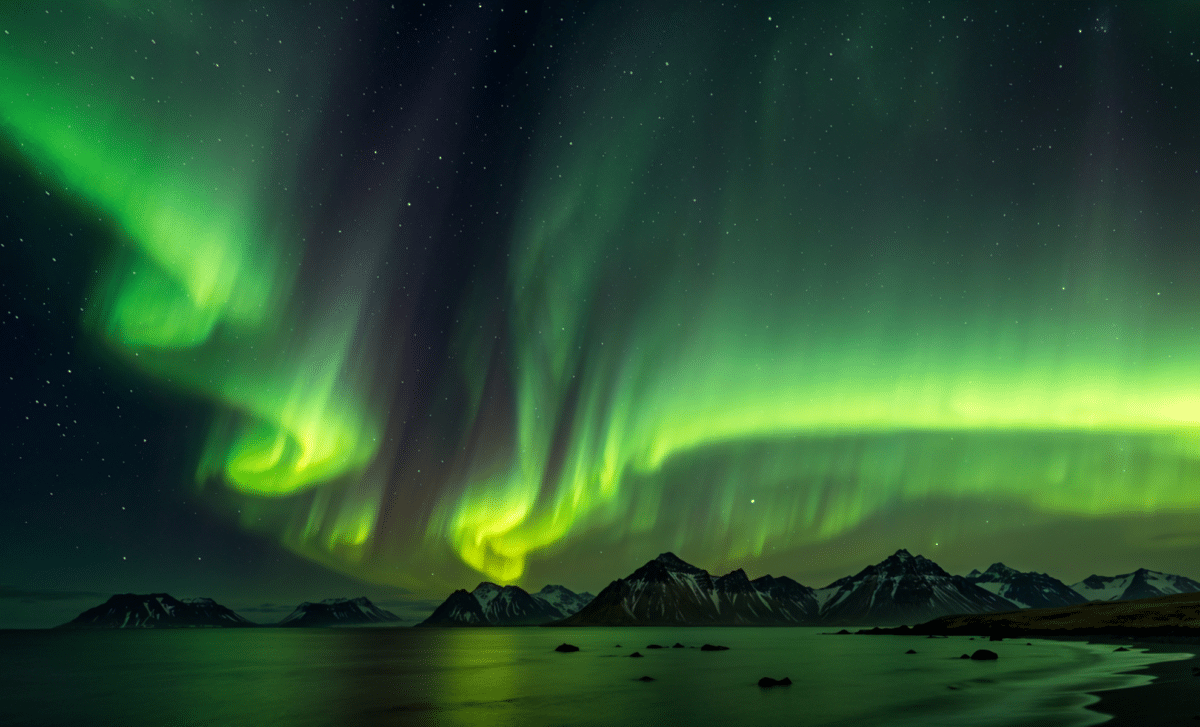
After years of limited visibility, many across the U.S. could be treated to an awe-inspiring display of the Northern Lights far beyond the typical polar zones. A surge in intense solar wind is predicted to ignite geomagnetic storms this evening and tomorrow, potentially pushing the auroras as far south as Illinois and Oregon, per the latest NOAA findings. This celestial spectacle could brighten the night sky and offer a remarkable viewing experience for countless enthusiasts.
Uncommon Solar Activity Drives Aurora’s Reach Further South
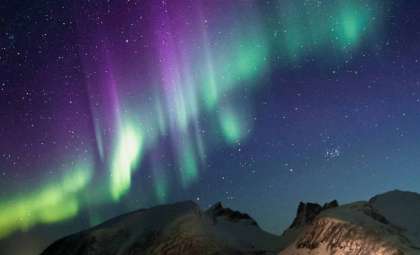
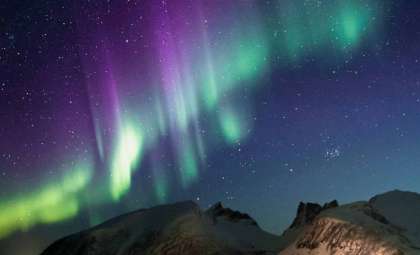
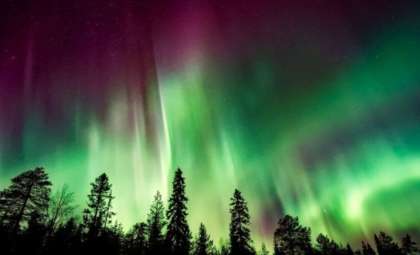
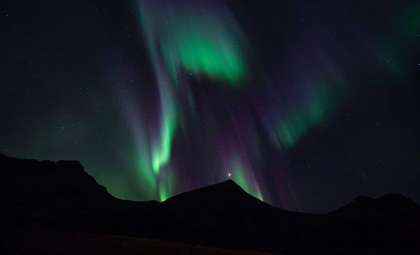
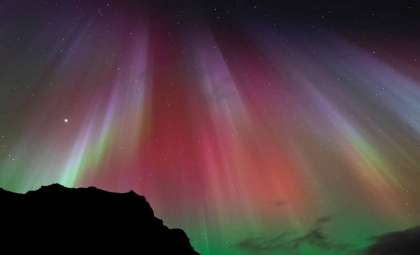
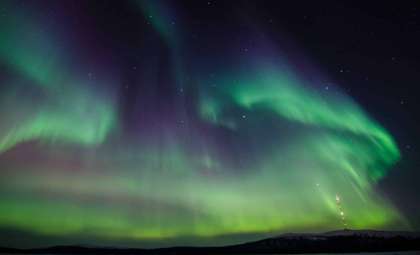
On April 17 and 18, residents from northern states extending down to Illinois and Oregon have a chance to see a rare auroral display. The trigger is a swift solar wind streaming at speeds near 430 miles per second, expected to initiate geomagnetic disturbances that propel the aurora well beyond its usual northern confines. The skies may come alive with vibrant shades of green, pink, and purple, captivating viewers across mid-latitude locales. Though conditions can vary, this event holds the promise of a stunning natural light show.
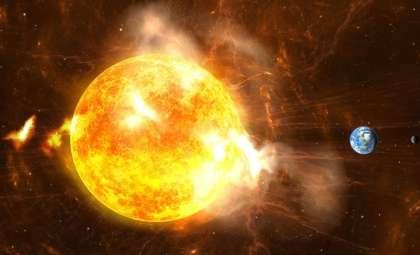
Solar Wind Interaction Fuels Geomagnetic Storms
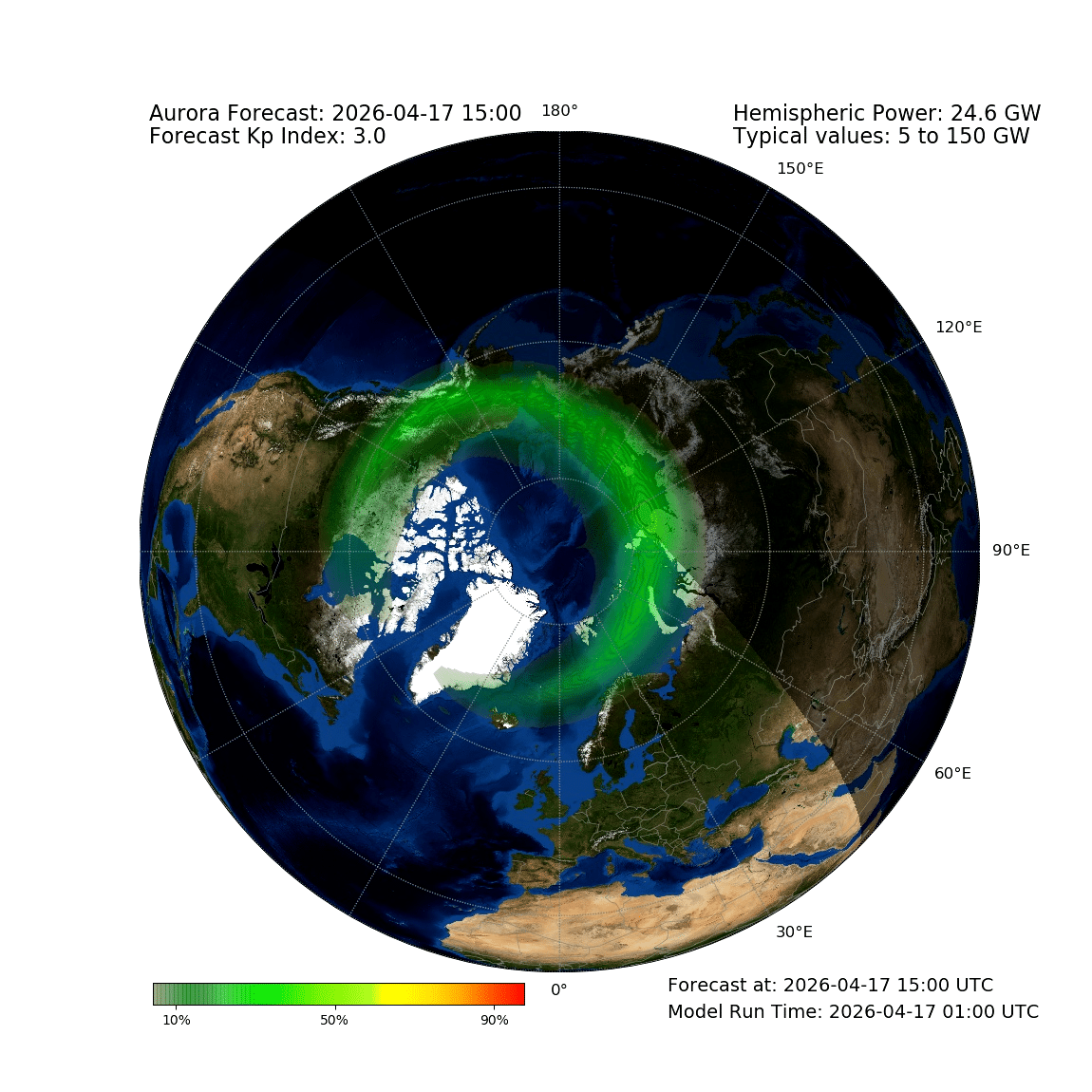
The dazzling auroras occur when energetic particles from solar wind collide with Earth’s magnetic field. These charged particles penetrate the upper atmosphere, colliding with oxygen and nitrogen atoms, which emit luminous energy in response. The intensity of the solar wind directly influences the brilliance and spread of the auroras. This surge in solar activity is anticipated to crest tonight, giving those in mid-latitude regions an uncommon chance to witness the northern lights.

NOAA Issues Geomagnetic Storm Alert and Viewing Guidelines
The NOAA Space Weather Prediction Center warns that geomagnetic storms may reach moderate (G2) levels this evening, with a possibility of stronger (G3) activity if the solar wind intensifies further. This heightens the excitement around tonight’s event, as auroras could appear in areas seldom graced by them. NOAA has released advisories highlighting prime viewing windows from 5 p.m. EDT on April 17 through 2 a.m. EDT on April 18, with lingering auroral activity expected in the early morning hours.
Tips for Spotting the Aurora Tonight
To improve aurora sighting chances, experts suggest seeking out dark locations with unobstructed views toward the northern sky. While the lights might be visible without aid, using a camera with a long exposure can capture subtle hues. Observers are advised to allow about 30 minutes for eyes to adapt to darkness, enhancing night vision, as noted by Space.com. Though auroras remain unpredictable, current forecasts present an encouraging opportunity.
The NOAA Space Weather Prediction Center highlights 20 states with the strongest potential for aurora viewing:
Washington
Idaho
Montana
North Dakota
South Dakota
Minnesota
Wisconsin
Michigan
Maine
Oregon
Wyoming
Nebraska
Iowa
Illinois
Indiana
Ohio
New York
Vermont
New Hampshire
Visibility will be highest in northern parts of these states, with stronger displays possibly extending into southern sections.
- Categories:
- News




0 comments
Sign in to Comment