
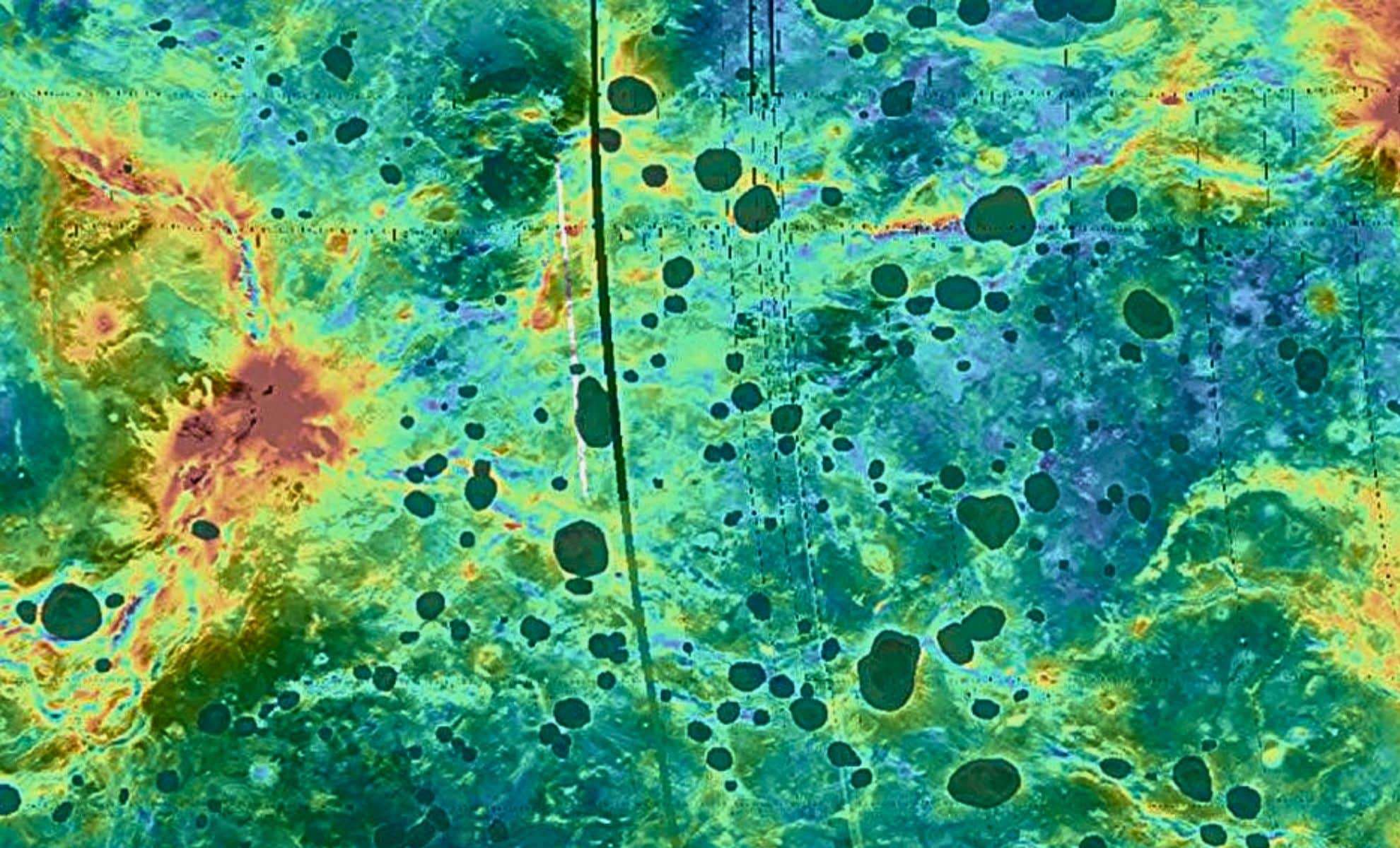
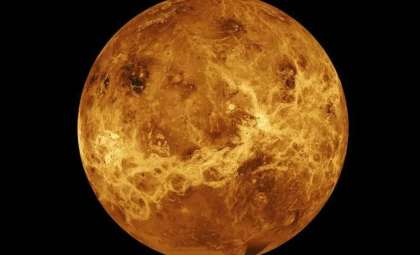
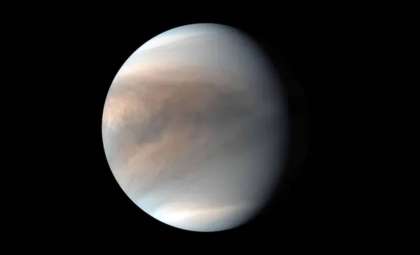
Venus, often dubbed Earth’s celestial counterpart, has captivated researchers due to its harsh environment. Despite its close similarity in size and makeup to Earth, Venus remains a planet shrouded in mystery, its surface veiled by an extremely dense atmosphere.
Groundbreaking findings from the University of California, San Diego’s Scripps Institution of Oceanography, detailed in the Proceedings of the National Academy of Sciences, shed new light on the enigmatic terrain of this luminous world.
Unveiling the Crowned Landforms
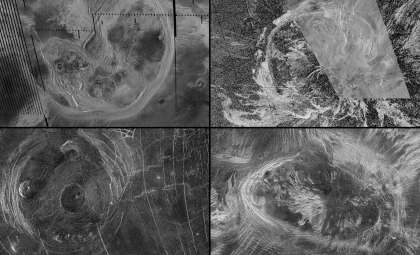
Among the most unusual characteristics on Venus’s terrain are the coronae—vast, crown-shaped formations dotted around the planet. These features resemble stepped hills or depressed basins, with the appearance of collapsed soufflés. Previously, their genesis was unclear, but the new research delivers a convincing theory.

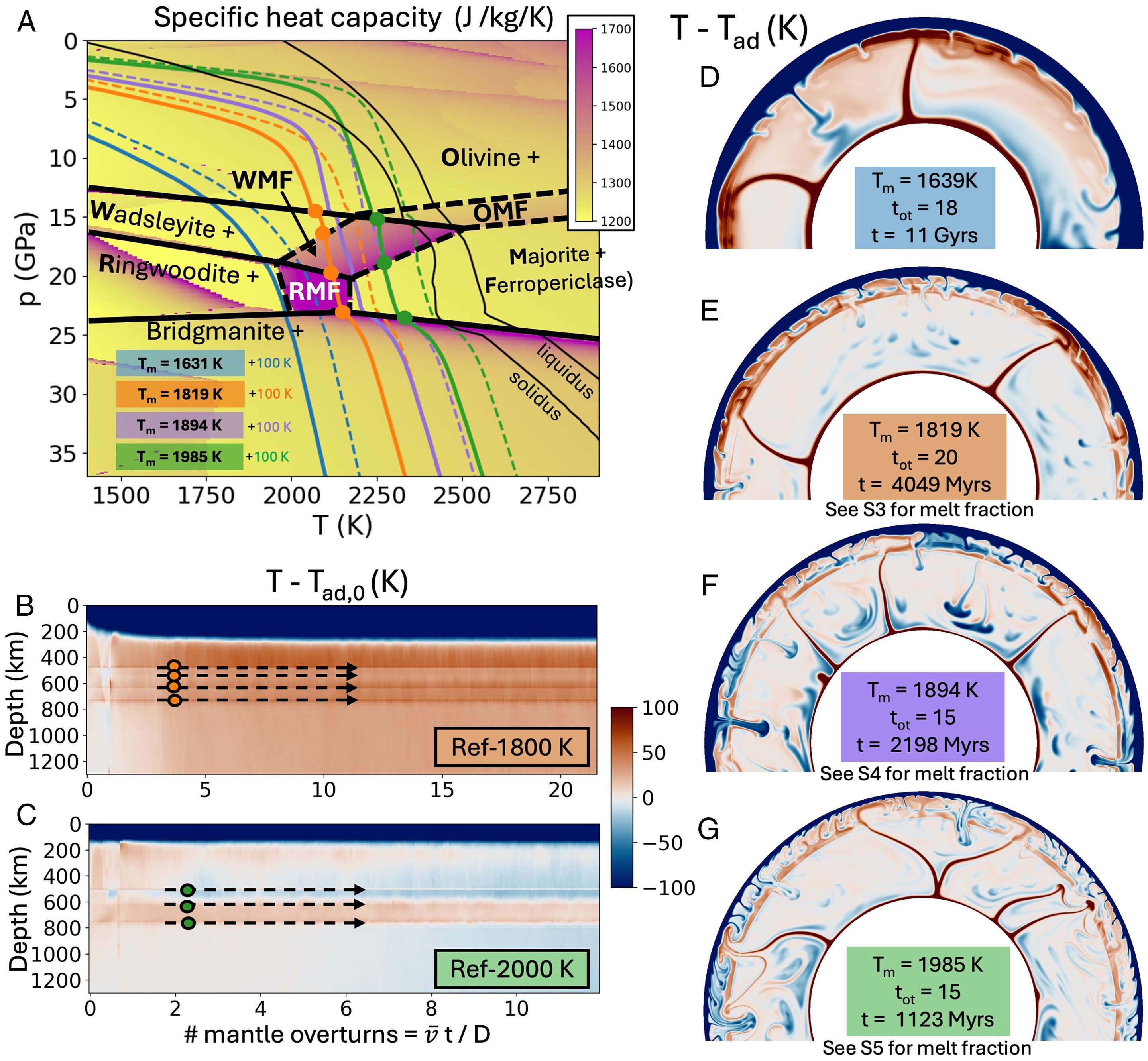
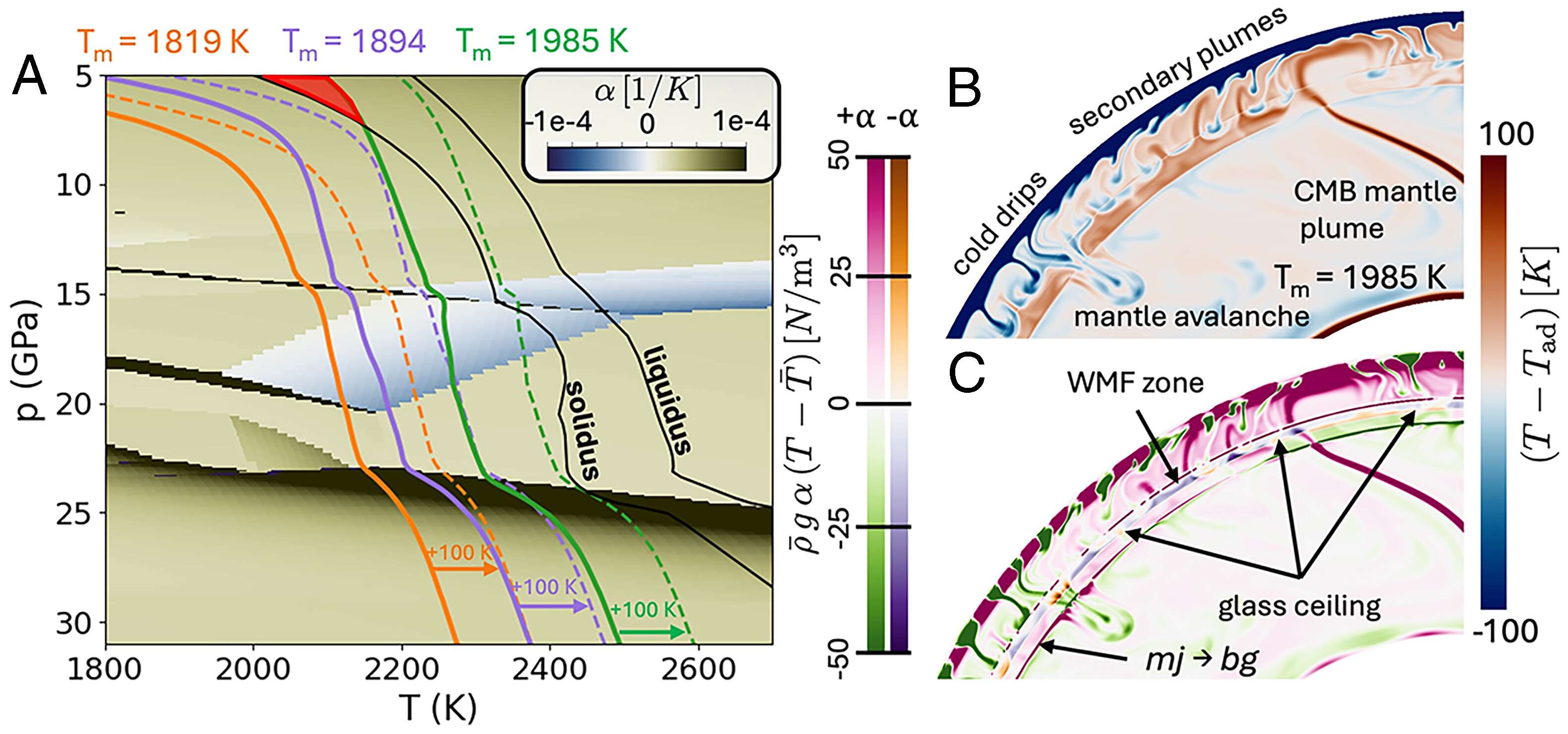
The investigation, headed by Madeleine Kerr, a doctoral researcher at Scripps Oceanography, proposes that these distinct structures originate from pulses of magma pushing outward from the planet’s interior. Unlike Earth’s shifting tectonic plates, Venus has a single, rigid outer shell. As magma ascends from deep beneath the surface—approximately 3,000 kilometers down—it encounters a "glass ceiling" effect, a result of altered crystal arrangements in the mantle rock that hinder large magma pockets from surfacing. Consequently, smaller pockets ascend and create the various coronae scattered across Venus.
The Glass Ceiling Effect and Magma Pathways
At surface level, Venus’s landscape might appear to be dominated by volcanic formations, but the research reveals a deeper geological narrative. Researchers describe a “glass ceiling” layer within the mantle that forces magma to flow laterally instead of ascending directly.
This barrier stems from a change in mantle rock structure around 600 kilometers beneath the surface. While this effectively blocks large magma surges from breaking through, smaller magma portions can squeeze through fractures, forming the abundant coronae that characterize the Venusian crust.
Decoding Venus in Contrast to Earth
Unlike our life-friendly planet, Venus’s oppressive greenhouse atmosphere and extreme surface heat render it inhospitable. Lead researcher Madeleine Kerr notes that exploring Venus’s geological features and why it sustains no life offers critical insights into why Earth remains habitable.
Kerr reflects, “This creates a solar system-scale natural experiment. We have a unique window to comprehend why these neighboring planets diverge so drastically.” By unraveling the internal mechanics of Venus, scientists hope to uncover essential clues about the history and development of planets within our cosmic neighborhood.
Advancing Our Comprehension of Venusian Geology
Before plate tectonics revolutionized the study of Earth, theorizing how heat moves through its interior to shape surface features was challenging. Drawing parallels, David Stegman, a geophysicist at Scripps and advisor to Kerr, compares current Venusian knowledge to Earth's scientific state before plate tectonics. He shares, “Our present understanding of Venus is similar to Earth’s pre-1960s era, as we lack a unifying theory that explains how internal heat manifests in Venus’s unique volcanic and tectonic surface phenomena.”
This comparison highlights the vast potential for future breakthroughs. As scientists continue to analyze Venus’s interior dynamics, they anticipate transformative discoveries that could reshape our grasp of planetary formation and geological activity. This latest research marks a significant step in demystifying Venus’s surface quirks, turning confusion into clarity.
- Categories:
- News








0 comments
Sign in to Comment