
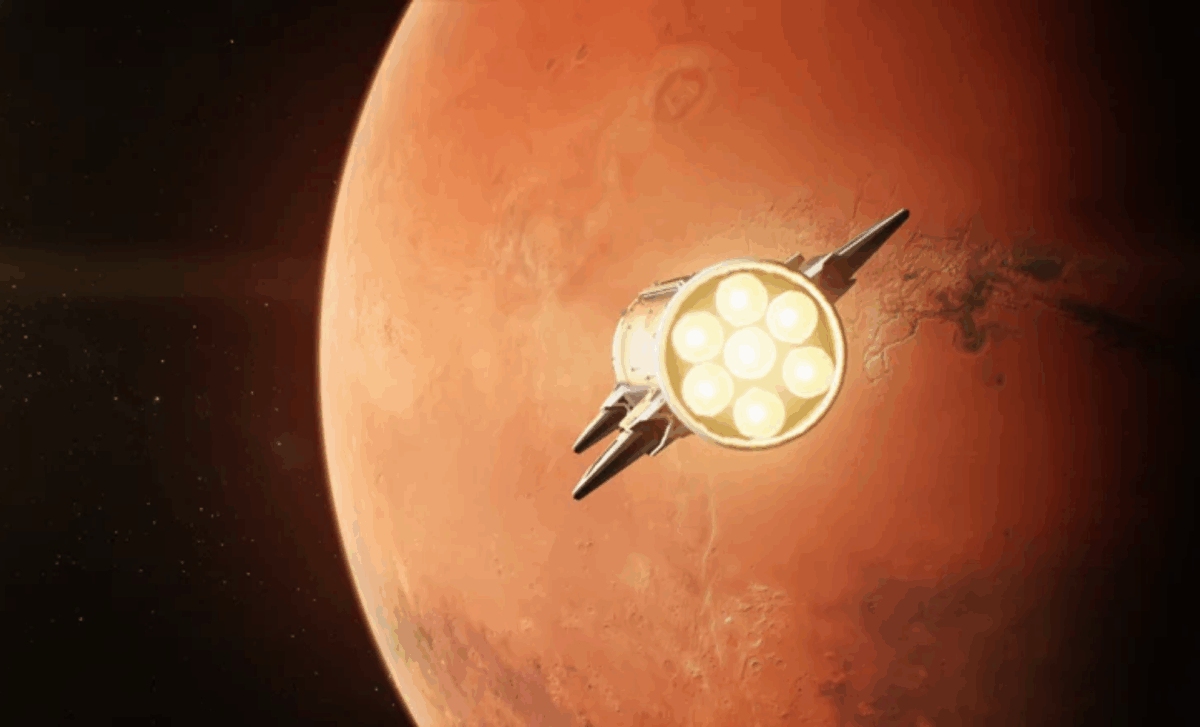
Advancements in space propulsion are set to revolutionize human travel beyond Earth, with a new plasma rocket engine developed in Russia aiming to slash the journey to Mars to just 30 days. This marks a huge leap compared to current missions lasting around nine months. The innovation could reshape the future of interplanetary travel by significantly cutting transit times. But what powers this technology, and what obstacles must it overcome before it can be deployed?
Why Speed Matters in Space Expeditions
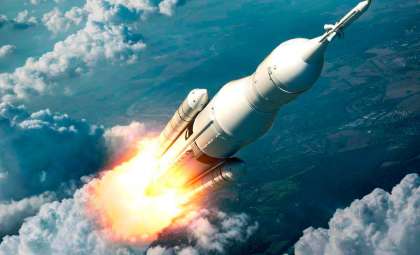
Mars expeditions have always been restricted by both the enormous distances and the limits of existing propulsion systems. Traditional chemical rockets require between 6 to 9 months to cover the distance to Mars, depending on planetary alignment. Such extended trips challenge astronaut health, resource management, and operational planning, requiring vast supplies and careful mission management for long durations in space.
The plasma rocket engine offers a game-changing solution to these limitations. Utilizing magnetic and electric forces, it propels plasma—a superheated, charged gas—to incredibly high speeds. This method delivers far greater efficiency than conventional propulsion. Unlike chemical rockets that release gas expelled by burning fuel for brief thrust, plasma engines can run continuously, progressively building speed over the entire voyage. This not only accelerates travel but offers a more sustainable propulsion approach.

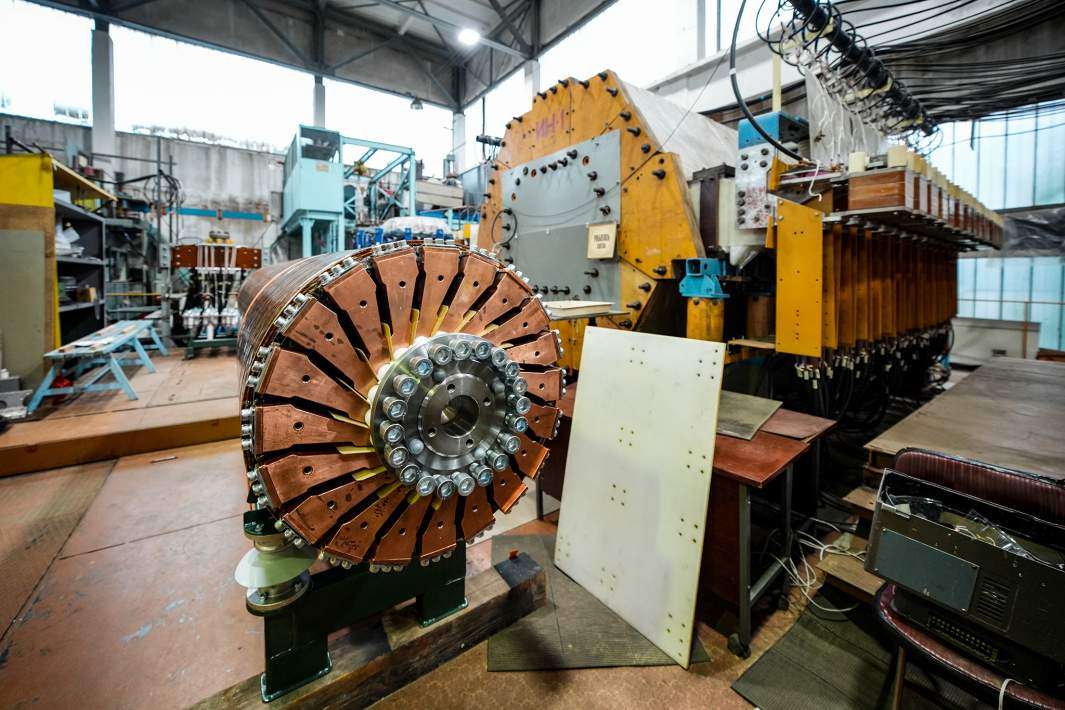
The Mechanics Behind Plasma Propulsion
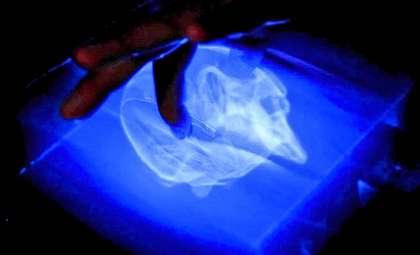
The core principle of the plasma rocket engine involves generating and accelerating ionized gas (plasma) using electromagnetic fields. Essentially, the system applies electric forces to charged particles, shooting them at extreme speeds, which produces thrust far more effectively than traditional chemical rockets.
The standout benefit of plasma-driven propulsion is its capacity for sustained operation. Whereas chemical rockets deliver a powerful but brief burst, plasma engines provide a constant, low-level thrust that enables gradual acceleration. This characteristic is especially advantageous for extended missions like traveling to Mars, where maintaining efficiency and increasing velocity steadily is crucial.
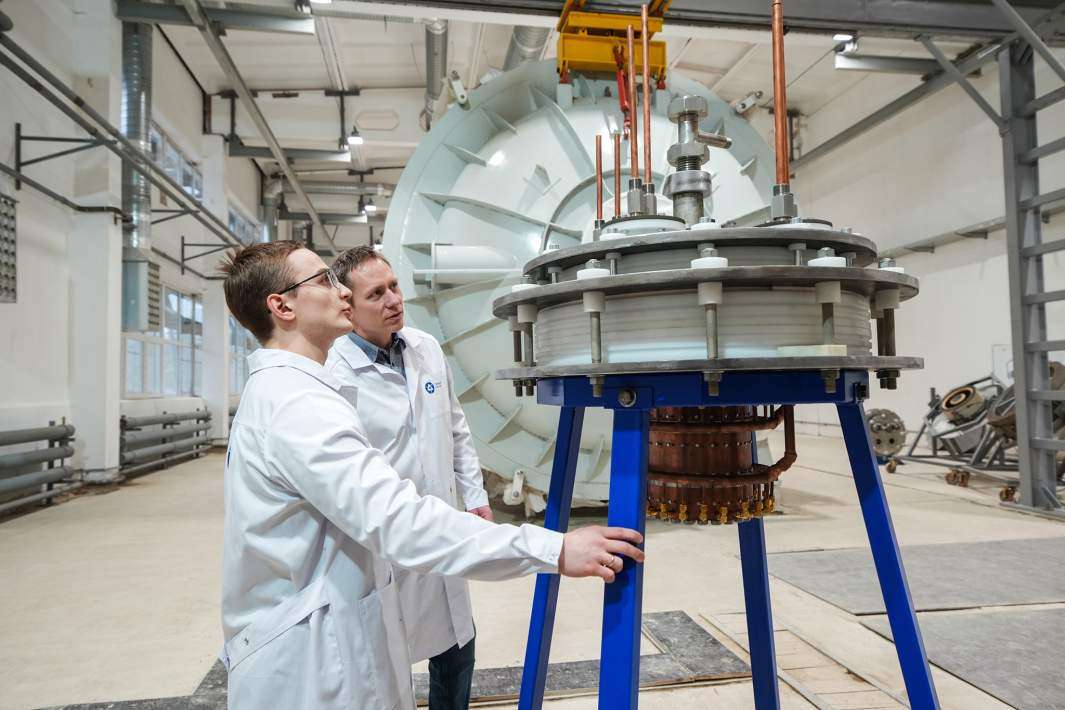
Plasma Technology Powering Mars Exploration
A recent feature in Izvestia highlighted the substantial progress made by the Russian research team spearheading this breakthrough. Helmed by the Institute of Space Systems, their plasma engine, named "Plasma Heart," harnesses electromagnetic forces to maintain efficiency over long voyages. Early findings indicate it could reduce travel time to Mars to as little as one or two months.
This advancement is pivotal, as it could condense mission durations, easing the burden of supplies and potentially enabling more frequent journeys to Mars and beyond. Such expedited transit could revolutionize how humanity approaches deep space exploration.
- Categories:
- Tech










0 comments
Sign in to Comment