
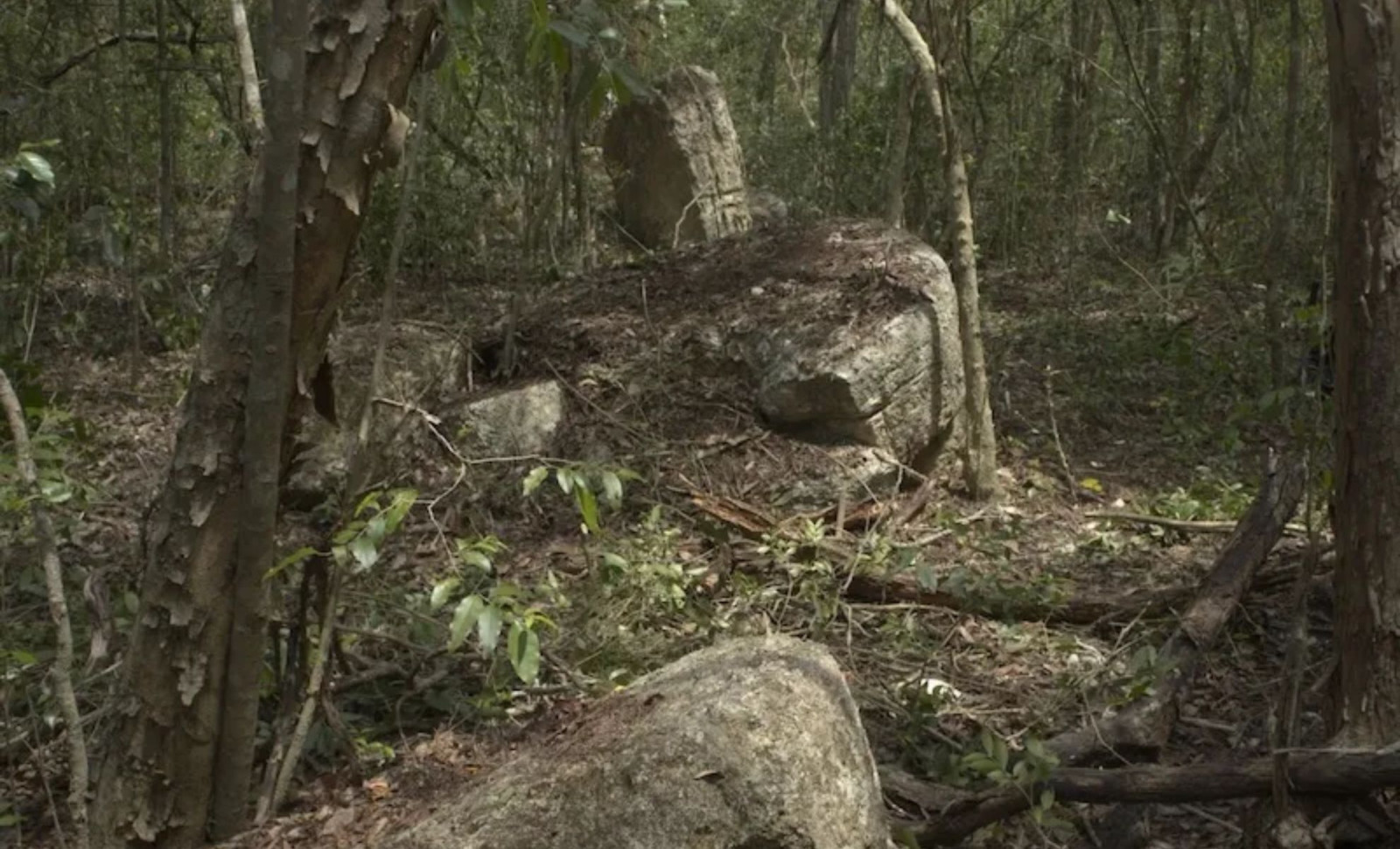
Researchers have recently charted a previously undiscovered Maya metropolis located within Mexico’s Balam Kú Biosphere Reserve. This extensive urban center, dating back over 2,500 years, showcases a complex network of pyramids, plazas, terraces, and other architectural features that illustrate its vibrancy in ancient times.
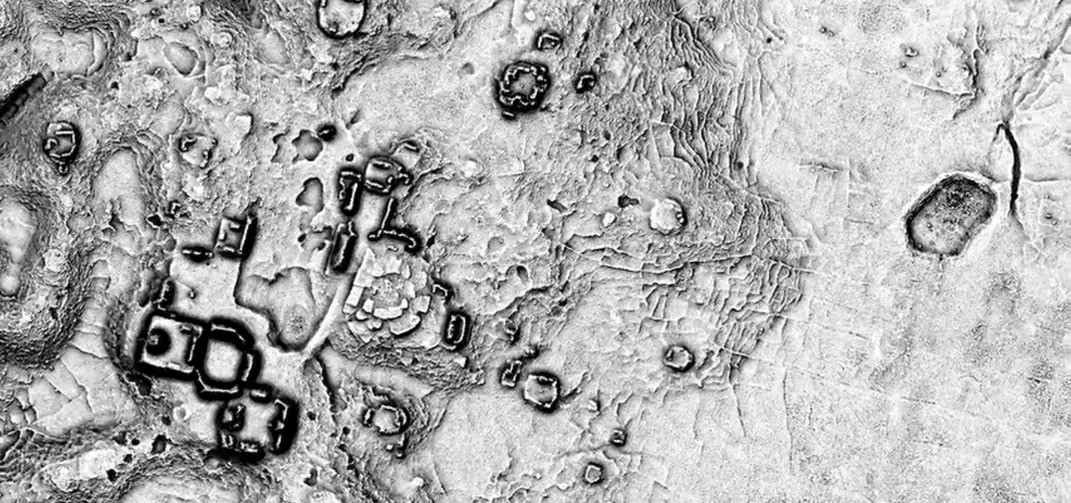
Buried under the dense vegetation of Campeche, this site known as El Yesal was initially detected using airborne LiDAR technology. Despite spanning more than one square kilometre, El Yesal had been largely unexplored until the current comprehensive archaeological examination.
The study, led by Professor Ivan Šprajc from the Slovenian Academy of Sciences and Arts, was conducted with the endorsement of Mexico’s National Institute of Anthropology and History (INAH). Professor Šprajc characterized El Yesal as among the most prominent Maya urban centers discovered in the Central Lowlands.

El Yesal’s Grandeur Centered on a Vast Acropolis
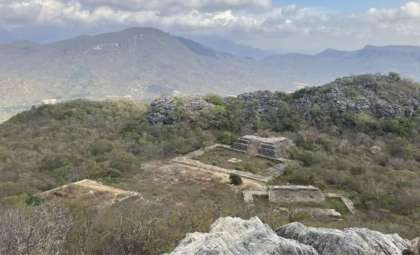
Excavations revealed a monumental ceremonial zone anchored by the Great Acropolis, a squared platform roughly 150 meters in length on each side. This elevated construction rises about 15 meters above the surrounding terrain and supports four pyramidal temples.
The tallest pyramid ascends approximately 27 meters above the platform’s surface, highlighting the impressive architectural skills of the city’s builders.
The design of the Great Acropolis shows architectural parallels with other major Maya hubs. Archaeologist Atasta Flores Esquivel pointed out connections particularly with Edzná, reflecting influences from the Petén architectural style during the Early Classic and earlier Preclassic phases.
Test excavations in the Great Acropolis and nearby North Acropolis unearthed pottery shards associated with the Mamom and Chicanel cultural phases, indicating that the foundation of the city dates to approximately 600 BC to AD 200, spanning the Middle to Late Preclassic periods.
The Development and Expansion of the Maya Settlement
Further analysis revealed El Yesal experienced significant growth in the Late Classic era, between AD 600 and 900. This phase saw the addition of new plazas, expansive constructions, and man-made terraces, particularly in the city’s northern sector.
Researchers also identified what appear to be hilltop complexes encircling El Yesal. Featuring terracing and embankments, these formations possibly served defensive purposes, reflecting a strategic urban design.
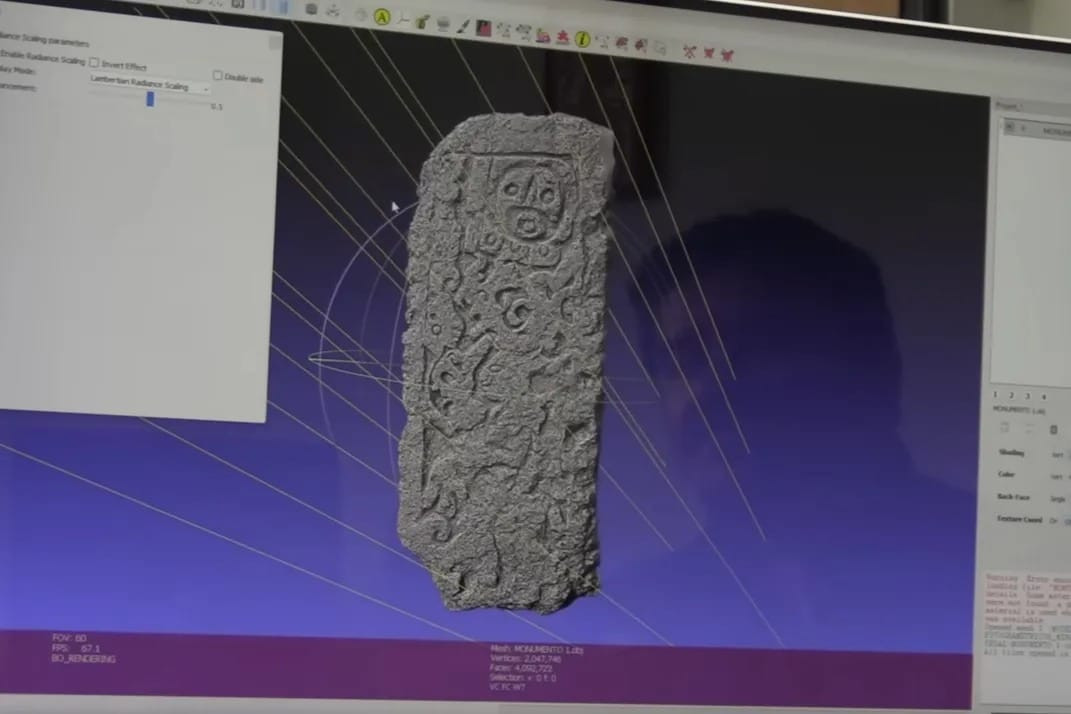
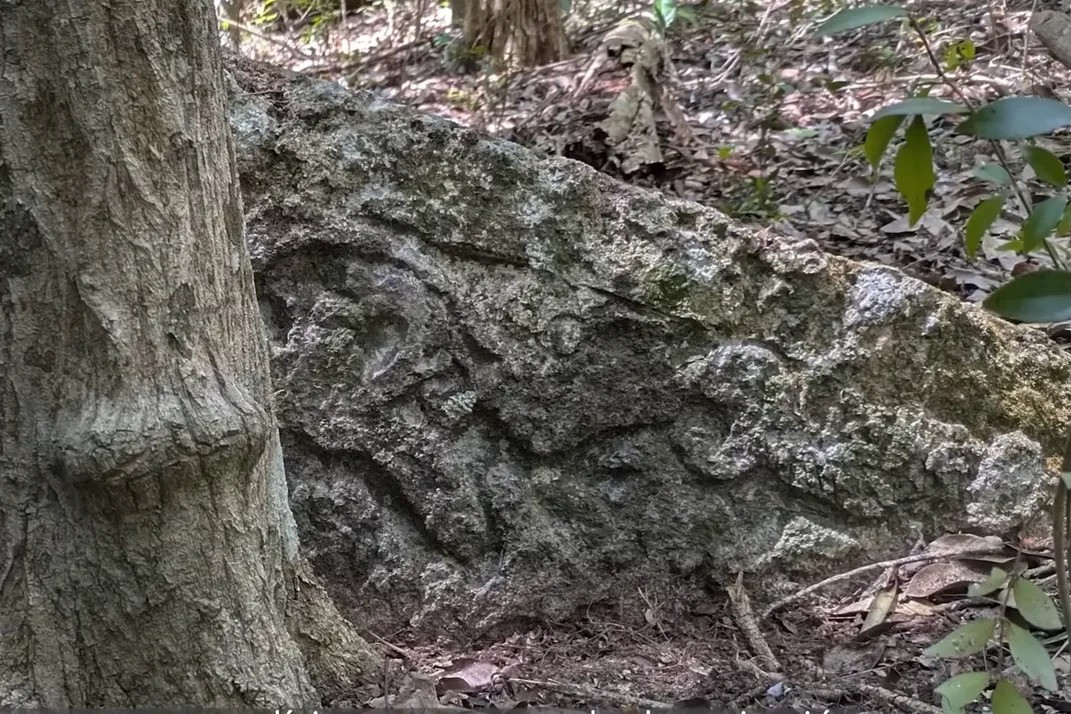
One notable find was a weathered stone stela, explored through advanced photogrammetry techniques. Although erosion obscured much detail, the digital model depicted a ruler holding a ceremonial staff and adorned with a headdress related to Yopaat, the Maya storm god.
This iconography may have symbolized royal identity or divine authority, offering fresh insight into how El Yesal’s leaders conveyed their power.
Insights into Ancient Commerce from Market Complexes
Close to the Great Acropolis, investigators uncovered clusters of distinct “nested complexes” formed by low, elongated structures arranged in rectangular and circular layouts.
This configuration resembles the Chiik Nahb complex found at Calakmul. Experts suggest these areas functioned as marketplaces, shedding light on El Yesal’s urban organization and trade activities.
Research efforts were conducted in partnership with local authorities and the Balam Kú Biosphere Reserve, a key section of the Great Maya Forest Biocultural Corridor established in 2025 to link protected zones across Mexico, Guatemala, and Belize.
The findings, detailed by INAH, serve as a foundation for ongoing research on El Yesal. This city likely had connections with nearby Maya centers such as Calakmul, Balamkú, and Uitzilná. Furthermore, the discovery highlights the significant archaeological wealth still hidden beneath the forest canopy of the reserve.
- Categories:
- Science

0 comments
Sign in to Comment