
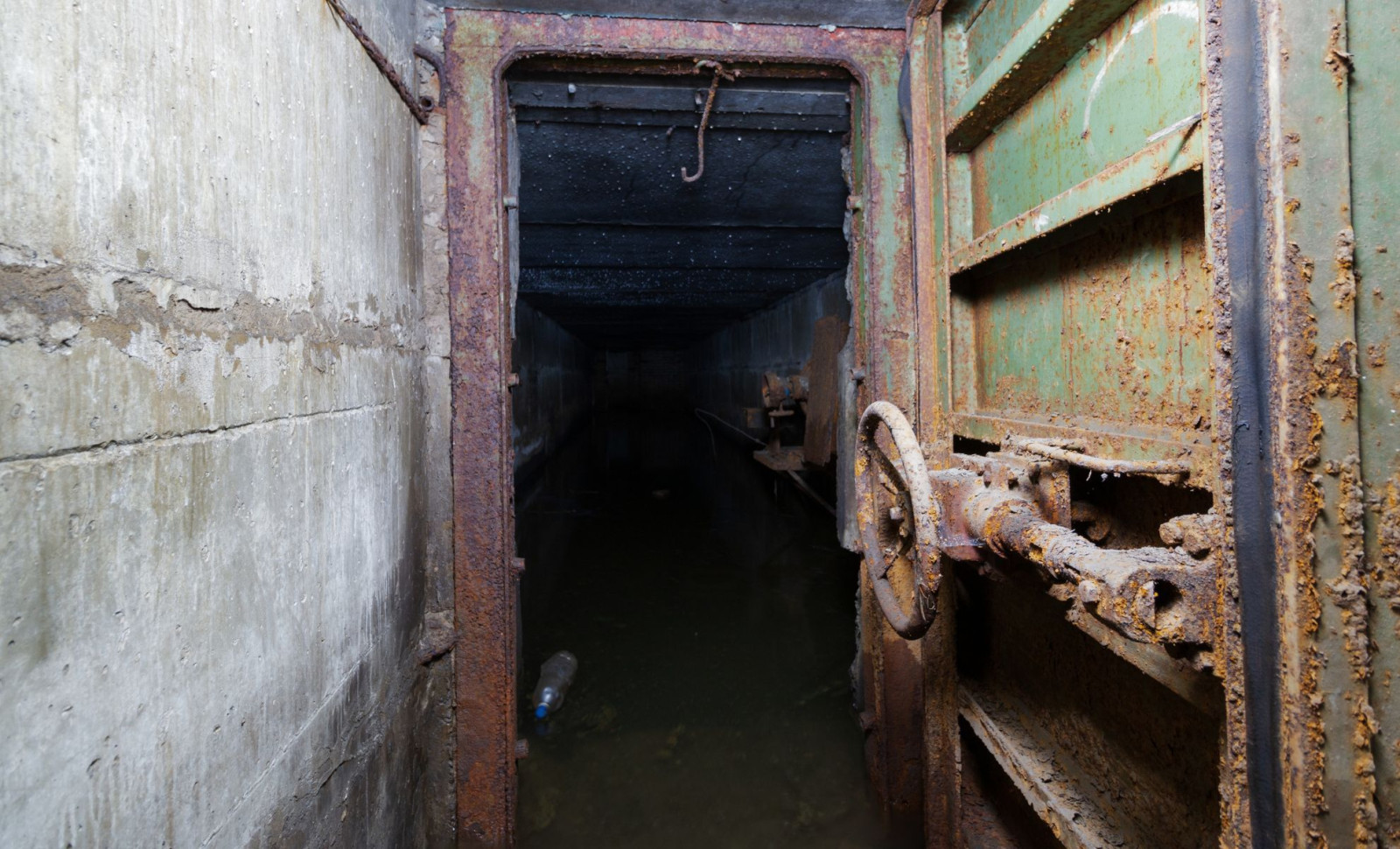
Archaeologists exploring beneath Scarborough Castle have made a surprising discovery: a previously forgotten Cold War nuclear bunker concealed beneath the centuries-old fortress. This finding intriguingly bridges the medieval era with the nuclear anxieties of the 20th century.
Constructed in 1963, this bunker formed part of a national network established by the Royal Observer Corps (ROC) tasked with detecting nuclear detonations across the UK. The location itself is significant, as the Scarborough promontory has been a strategic observation point from Roman times right through to the Cold War period, highlighting the enduring importance of certain vantage points over millennia.
An Unseen Cold War Watchtower
These types of observation posts were once common, with over 1,500 across Britain and approximately 20,000 volunteers staffing them. As detailed by English Heritage, their primary mission was to spot nuclear explosions and evaluate their aftermath.

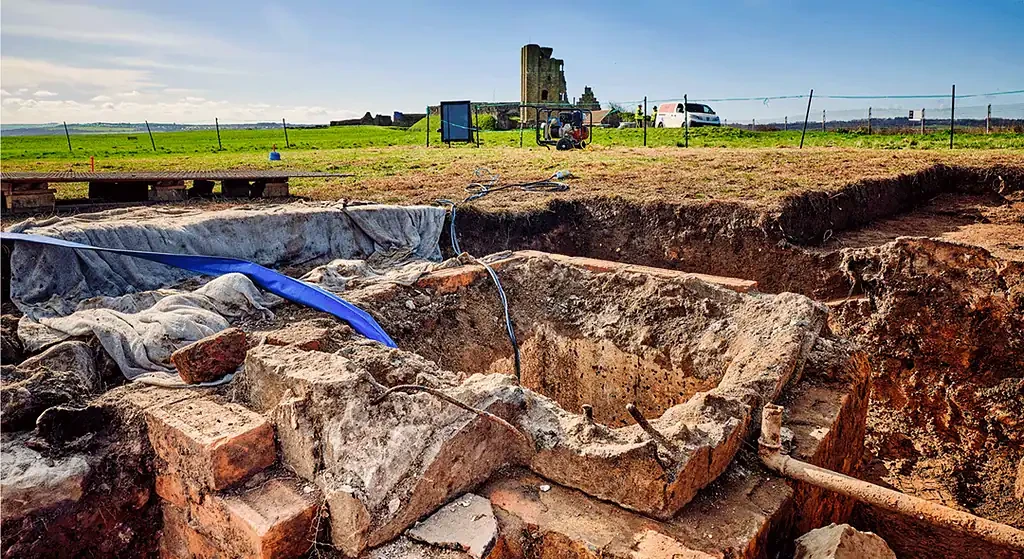
Although activated in the early 1960s, the Scarborough bunker was operational only until 1968 before being sealed and buried. Its exact whereabouts faded from memory, even as the castle above continued to attract visitors for its historical significance.
Kevin Booth from English Heritage notes the long-standing role of the site as a lookout, making it a logical choice for such a facility.
“It seems strange to have a Cold War bunker built inside Scarborough Castle, but in many ways, it is a perfect location: this headland has been an observation post for thousands of years, from a Bronze Age settlement to a Roman signal station, medieval castle, World War I gun battery and, here, a 1960s concrete bunker watching for Armageddon.”
Swift Excavation After Years of Obscurity
To track down the bunker, specialists combined historical documents with contemporary ground-penetrating radar surveys. Excavations kicked off in March, and the main entrance was uncovered within two days.
“We wanted to pinpoint it and see if we could reopen it and see what was inside,” he said as quoted by BBC. “Old mapping gives a sense of where it might be, but it really comes down to survey, looking under the ground with radar to find the big black blob that is a concrete structure.”
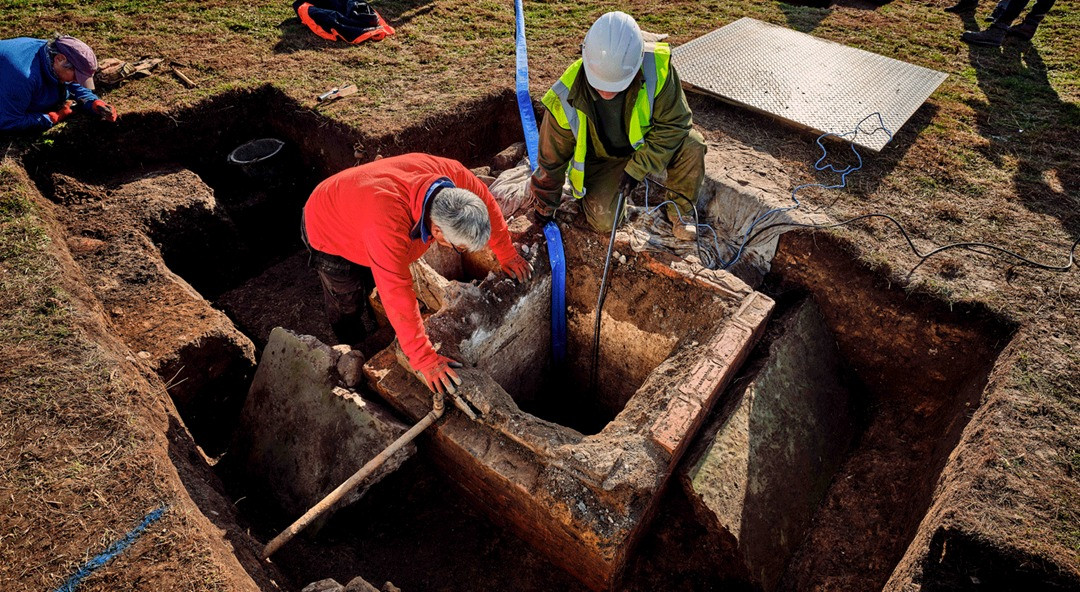
Once entry was gained, remote cameras were deployed to inspect the interior. Initial footage revealed a sealed yet well-maintained bunker, encouraging further examination.
Compact Facility Designed for Nuclear Resilience
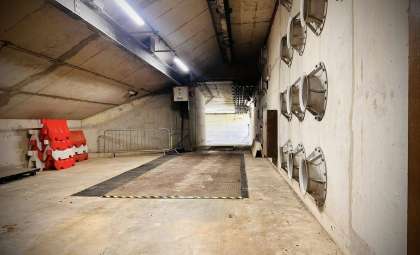
The interior matches the typical ROC bunker setup: a control room with monitoring devices, areas for communication, and a sleeping section known as the “hot bed,” where personnel rotated shifts.
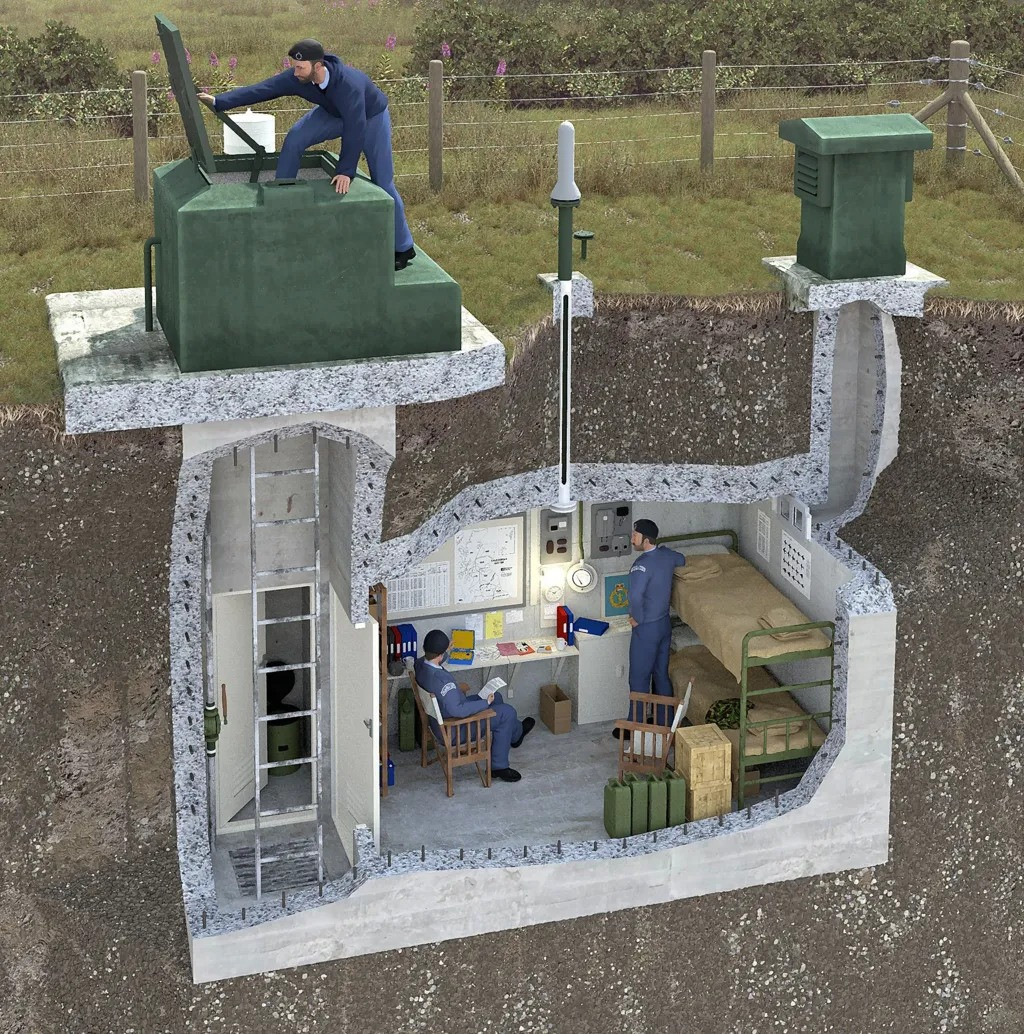
The design prioritized self-sufficiency, incorporating no windows, an air filtration system, and water storage capable of sustaining occupants for approximately 30 days. Additionally, it included a sewage ejector and highly efficient use of confined space for harsh conditions.
“For English Heritage, it’s not only completing the story of Scarborough Castle, we’re completing the story of the Cold War and the way Britain was trying to deal with that threat,” noted Booth.”There’s something about this long history of people being on this headland, looking out, observing, watching – and this is the final part of Scarborough Castle’s history of that endeavour.”
- Categories:
- News



0 comments
Sign in to Comment