
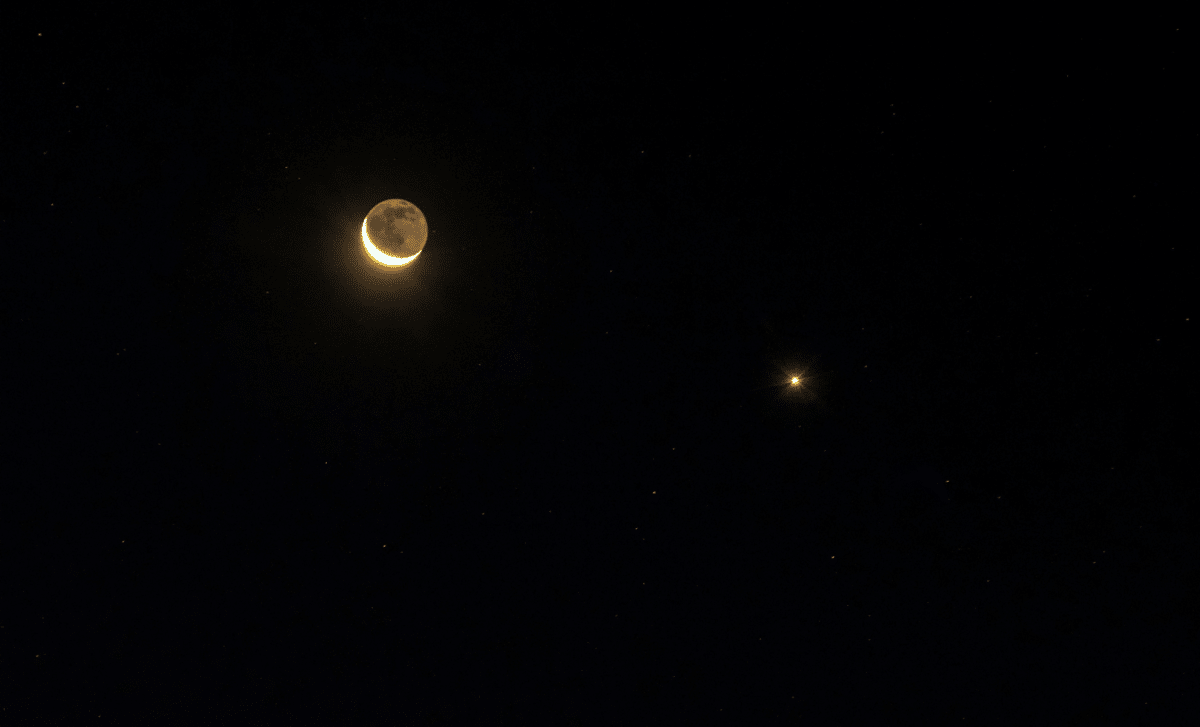
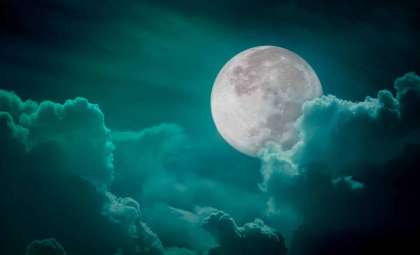
Tonight offers a spectacular chance to witness an astronomical pairing as the waxing gibbous moon draws near the luminous planet Jupiter in the night sky. This conjunction presents a prime moment for sky enthusiasts to admire two of the most prominent celestial bodies visible after dark. Jupiter, the solar system’s largest planet, will be situated close to the moon, creating a striking visual display. Whether you have a telescope, binoculars, or just your naked eyes, this event is well worth observing.
Admiring Jupiter’s Stunning Presence
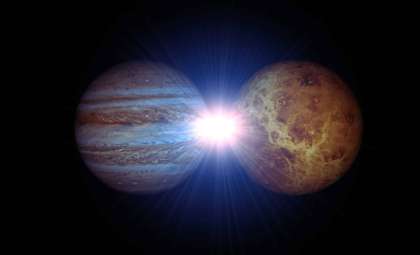
Jupiter, found within the Gemini constellation, will sit just above the horizon line, making it easy for viewers with a clear sky view to spot. Its intense, steady shimmer sets it apart from surrounding stars, making it a standout feature in the night. The planet’s brilliant light will glow with a distinctive silvery shine, beautifully complementing the softer lunar illumination, as highlighted by Space.com.
For those interested in amateur astronomy, Jupiter presents more than just a bright beacon. Using binoculars or a modest telescope, you can glimpse its four major moons—Io, Europa, Ganymede, and Callisto—and perhaps even some atmospheric features like the famous Great Red Spot or its cloud bands.

Binoculars: A Simple Stargazing Enhancement
Even a brief glance with binoculars can enhance your viewing experience of this cosmic scene. Affordable binoculars are enough to reveal Jupiter’s disk and some of its moons, while models like the Celestron UpClose G2 10×50 offer clearer detail and ease for handheld observation.
With binoculars, you can also watch as Jupiter slowly shifts away from the moon throughout the night, creating an evolving stellar dance that adds a magical touch to the evening’s skywatching.
Exploring Jupiter Up Close Through a Telescope
For those equipped with telescopes, Jupiter reveals even more wonders. A telescope lets you study the planet’s atmospheric layers, including its distinctive cloud bands that stretch laterally across its surface. Enthusiasts often notice subtle color changes and spot dynamic formations like swirling knots within these bands.
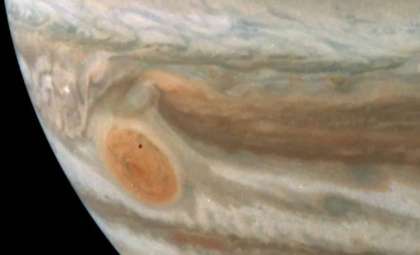
One of Jupiter’s most iconic attractions is the Great Red Spot, a giant storm that has fascinated scientists for centuries. Recent observations show it shrinking and becoming rounder, sparking curiosity about the ongoing atmospheric shifts and what they could reveal about Jupiter’s climate dynamics.
- Categories:
- News




0 comments
Sign in to Comment