
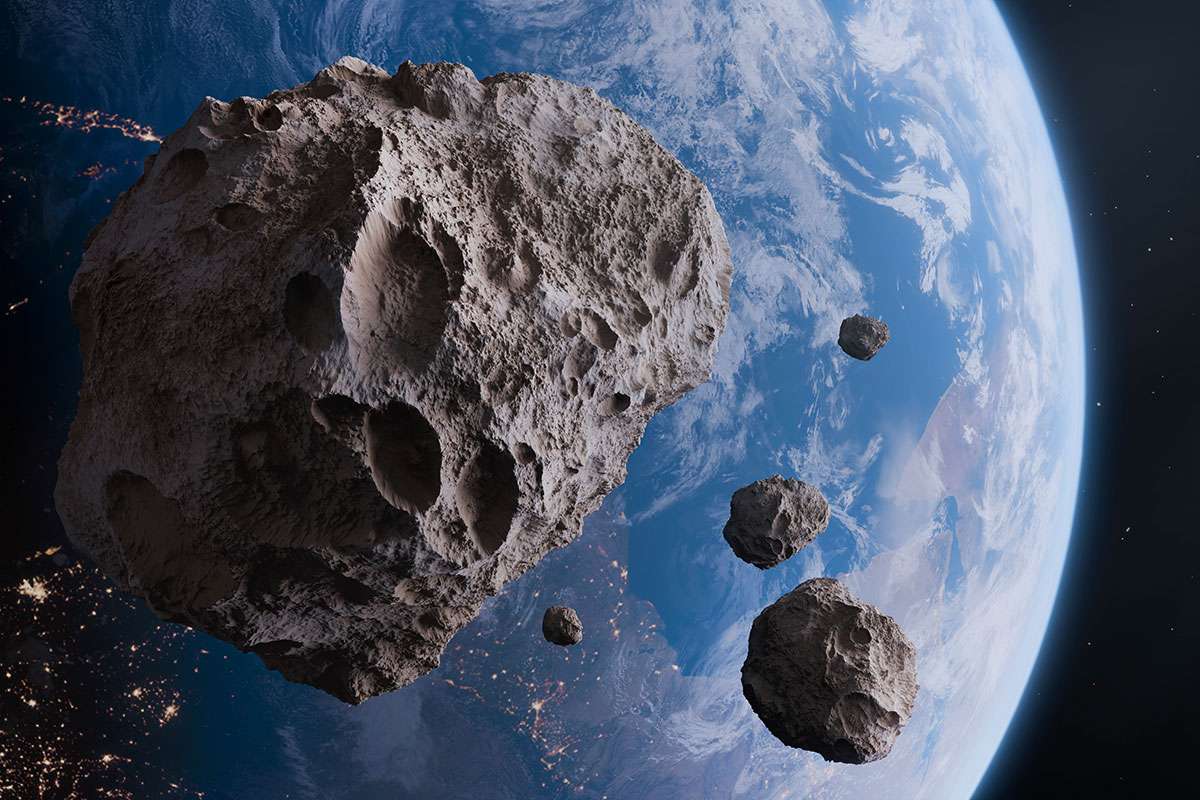
In 2018, the Japanese Space Agency’s (JAXA) Hayabusa 2 mission successfully retrieved a sample from the asteroid Ryugu, designated A0180. This groundbreaking achievement was the first instance of bringing back asteroid material, distinct from previous lunar sample returns, opening unprecedented windows into the early solar system and potentially the genesis of life.
New investigations, however, have uncovered an unexpected finding: the presence of Earth-based microbial life within the sample. Despite meticulous precautions intended to prevent contamination, minute microorganisms apparently infiltrated the specimen, igniting both scientific curiosity and concern about contamination controls.
Scientists observed rod-shaped and filamentous organic structures akin to terrestrial microbes. By analyzing their growth patterns, researchers estimated a generation time of about 5.2 days for these prokaryotes, suggesting contamination likely occurred during laboratory sample handling.

Reevaluating planetary protection strategies
The detection of terrestrial microbes in the Ryugu sample spotlights critical issues regarding current planetary protection frameworks. These measures aim to avoid cross-contamination between Earth and extraterrestrial environments, but the A0180 findings indicate these systems may require significant enhancement.
This issue holds particular importance as upcoming missions plan to return Martian samples within the next decade. Maintaining uncontaminated extraterrestrial material is essential for authentic biological analysis and for safeguarding both Earth and space environments.
Beyond Mars, other extraterrestrial specimens—like those gathered from asteroid Bennu by NASA’s OsirisREX—are also invaluable. Preserving their uncontaminated state is key to extracting reliable scientific data.
Insights into panspermia and astrobiology
The pursuit of life’s chemical signatures on asteroids ties directly into the panspermia hypothesis, which posits that life or its chemical precursors might traverse space aboard celestial bodies like asteroids. Key points of this theory include:
- Life could originate on one celestial body and be transferred to another
- Repeated asteroid impacts may enable this interplanetary exchange
- The solar system’s life origins could be interconnected through such processes
Although the contamination in the Ryugu sample is a setback for detecting indigenous extraterrestrial life, it offers vital lessons about preserving uncontaminated samples, a critical factor in future astrobiological investigations.
Looking ahead: enhancing sample integrity in space missions
The lessons learned from Ryugu emphasize the urgent need for improved protocols and technologies to prevent biological contamination in space sample collection and analysis. Upcoming missions highlight this necessity:
Future efforts must focus on advancing contamination control during collection, transport, storage, and laboratory examination of extraterrestrial specimens. The experience with Ryugu enhances our preparedness for upcoming missions and the pursuit of answers about life’s cosmic beginnings.
As humanity ventures deeper into space, discoveries — even those complicated by contamination — highlight the fine balance between exploration and scientific rigor. The inadvertent terrestrial life found in the Ryugu sample underscores the resilience of life and the challenges we must overcome in unraveling the mysteries of life beyond Earth.
- Categories:
- Extraterrestrial life







0 comments
Sign in to Comment