
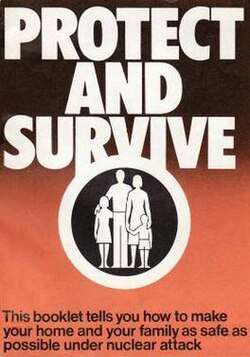
During the height of Cold War fears, a straightforward government booklet sparked widespread attention in Britain. Released in 1980, Protect and Survive was a 32-page manual published by the UK government designed to guide citizens on how to endure a nuclear attack, igniting public discussions and protests that still resonate today.
Essential Instructions for Families Under Threat
Amid escalating tensions between the United States and the Soviet Union in 1980, British officials distributed Protect and Survive to homes nationwide. The booklet carried a serious warning: “Read this booklet with care. Your life and the lives of your family may depend upon it.”
Though originally crafted for emergency responders such as police and firefighters, public demand led to its release as a civilian resource. This shift occurred against the backdrop of growing alarm over US missile deployments on British soil and a fragile geopolitical climate.

The UK government’s publication coincided with efforts under President Ronald Reagan to reinforce European security with the installment of weapons like Pershing II ballistic missiles.
Step-by-Step Preparations for Nuclear Emergencies
Protect and Survive detailed how to reinforce a designated room within a residence to serve as a fallout shelter, advising the use of bricks, sandbags, sturdy furniture, or stacks of books for protection.
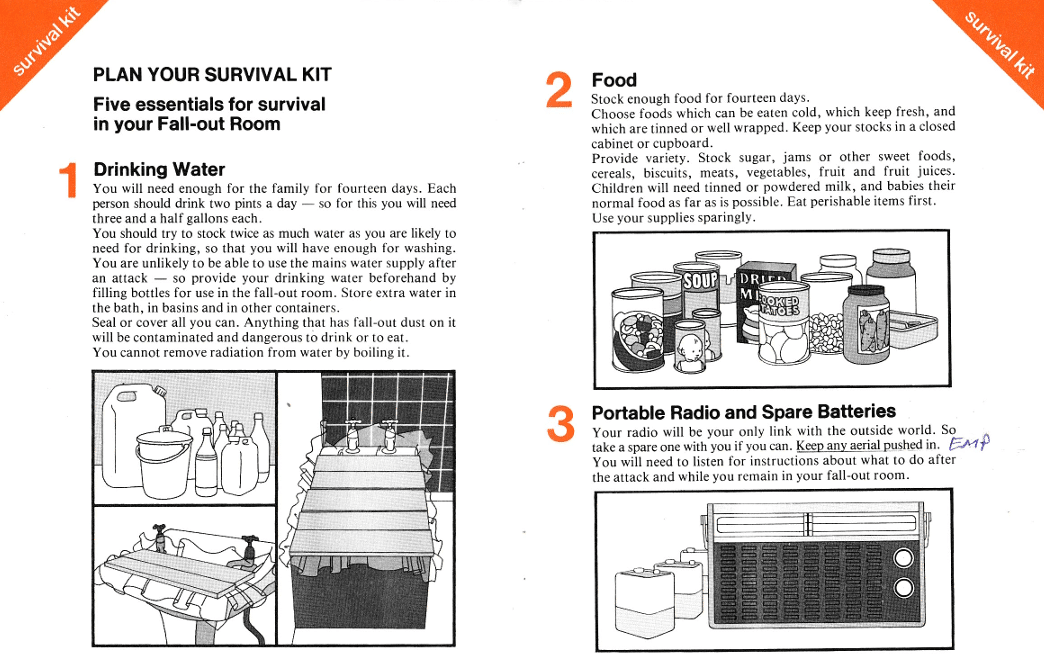
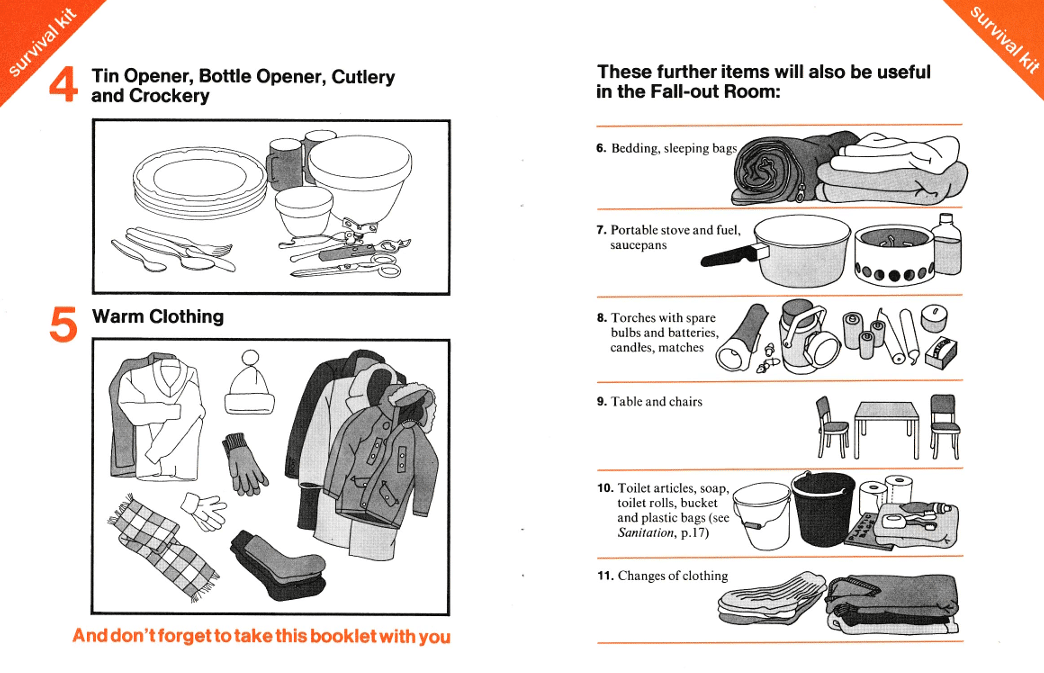
It emphasized assembling a survival kit containing:
- Approximately 16 litres of water per person (roughly three and a half gallons), with recommendations to store it in baths or basins
- Non-perishable food items, torches, spare batteries, medical supplies, soap, matches, sleeping gear, and warm apparel
- Instructions to disable or secure toilet cistern handles to preserve potable water
The manual instructed residents to remain indoors for a minimum of 48 hours following a nuclear blast due to severe radiation risks. For those caught outside during an explosion, advice was to “lie flat (in a ditch) and cover the exposed skin of the head and hands.”
The booklet also touched on grim realities, instructing: “If someone dies while you are in your fallout room, place the body in another room and cover it as securely as possible. Attach an identification.”
Contentious Reception Among the Public
While practical in nature, many in Britain criticized Protect and Survive for oversimplifying and underestimating the catastrophic potential of nuclear war. The publication was often perceived as “deeply unsettling,” provoking more fear than comfort. Some commentators described the guidance as “infantilisantes”—meaning overly basic and inadequate for such an enormous crisis.
The era witnessed the growth of the Campaign for Nuclear Disarmament (CND) and massive protests, along with the emergence of the Greenham Common women’s peace camp in 1981, emblematic of public opposition toward nuclear armaments in the UK.
The subject also permeated cultural expressions, influencing Raymond Briggs’ graphic novel When the Wind Blows, the BBC’s Threads drama, and musical works like the 1984 hit “Two Tribes” by Frankie Goes to Hollywood.
The Booklet’s Modern-Day Resonance
The Imperial War Museum later republished Protect and Survive to complement a major exhibit on the anti-war movement. Curator Matt Brosnan called it “a fascinating but also deeply unnerving document” that captured the era’s looming nuclear fears.
Brosnan pointed out that although the booklet emerged during a time when the threat of nuclear weapons felt overwhelmingly real, “they still exist, it is still a live issue.” The guide remains a potent reminder of past anxieties and official efforts to provide practical, if debated, survival advice.
- Categories:
- News












0 comments
Sign in to Comment