
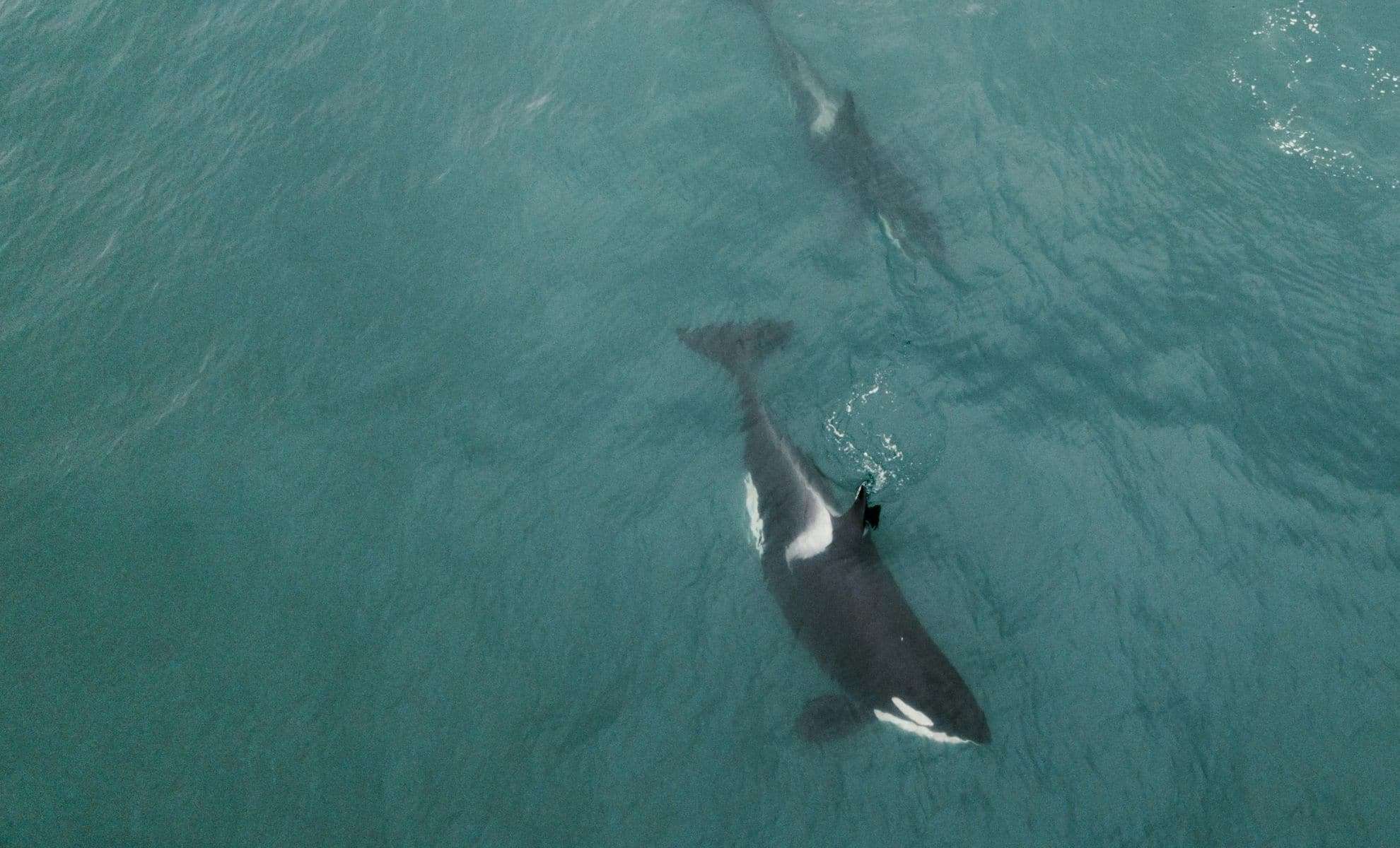
Along Iceland's stark shoreline, marine biologists have documented a fascinating and perplexing interaction. In recent years, tiny pilot whale calves have been observed swimming alongside groups of formidable orcas. The fate of these young whales after their encounters remains a mystery. Are these calves lost, abandoned, or possibly at risk from their larger companions? Scientists are eager to unravel this enigma.
Observations of Orcas Accompanying Pilot Whale Calves
During June 2022, Chérine Baumgartner from the Icelandic Orca Project witnessed an extraordinary event while studying orcas hunting herring near Iceland. A notably small calf within the pod caught her attention due to its lack of typical orca coloration.
"Initially, we thought the orca calf was in distress," Baumgartner remarked. After careful examination, it became clear the calf was not an orca but a young long-finned pilot whale. This interaction continued for nearly three hours until deteriorating weather conditions forced the observers ashore. The following day, however, the pilot whale calf was no longer present.

Similar interactions between orcas and pilot whale calves have been recorded annually from 2021 through 2023 off Iceland's coast. Each encounter involved different pilot whale calves—characterized by their dark-gray color and bulbous foreheads—and varied orca pods. Baumgartner and her team published a comprehensive report detailing these phenomena in Ecology and Evolution.
Close Proximity Swimming of Orcas and Pilot Whale Calves
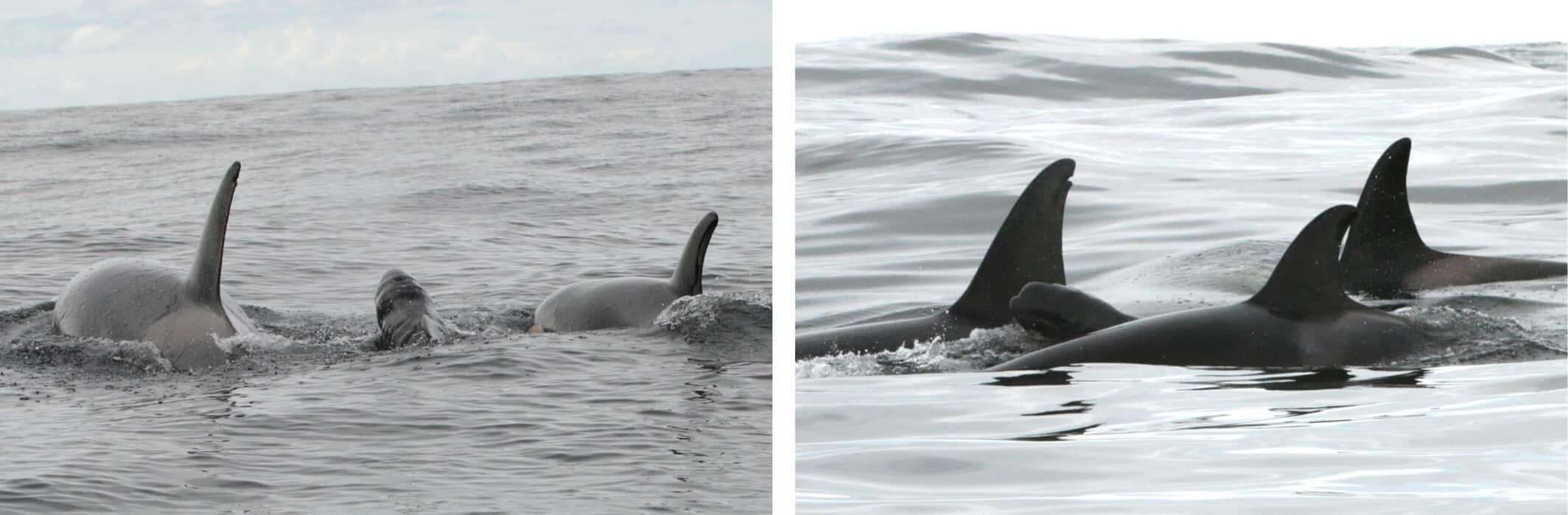
Every time these animals were sighted together, the pilot whale calves swam in an “echelon position,” meaning just beside and slightly behind a female orca. Orcas occasionally nudged the calves, and during a 2023 incident, one calf even appeared to attempt escaping by swimming ahead of the pod. At one point, an orca lifted a calf belly-up on its back, a moment that especially intrigued researchers.
Scientists considered whether orcas might view pilot whale calves as potential prey or “living larders.” Some Icelandic orcas hunt harbor seals and porpoises, which raised the question if they could also prey on these calves.
Yet, Baumgartner noted that the orcas involved primarily consume fish and showed no obvious signs of aggressive behavior toward the pilot whale calves. While predation cannot be entirely ruled out, it appears unlikely in this context.
Possible Behavioral Reasons Behind the Interaction
One hypothesis is that orcas engage with the pilot whale calves in play or use them to practice hunting skills. Icelandic orcas are known for cooperative herring herding, so the presence of calves might relate to such teamwork. Baumgartner explained, “It’s possible the orcas encountered pilot whale calves by chance, with some individuals interacting playfully while others displayed nurturing tendencies.”
Another idea suggests the orcas might show parental-like care despite the calves belonging to a different species. Although cross-species caregiving among cetaceans is rare, instances have been documented. Researchers hesitate to call it adoption as the episodes are short and orcas were not observed nursing the calves, but nurturing instincts may contribute to these interactions.
The Fate of the Pilot Whale Calves Remains Unclear
The crucial question persists: how do orcas locate these pilot whale calves, and what ultimately becomes of them? Filipa Samarra, lead scientist at the Icelandic Orca Project, asked, “Are these calves lost or abandoned? Or do orcas actively approach to claim them?” The team aims to determine whether the calves survive, flee, or fall prey to the orcas.
Sarah Teman, an ecology graduate student at the University of Washington who was not part of the original study, expressed fascination with images showing pilot whale calves swimming alongside orcas. She commented that such behavior likely signifies nurturing or playful interactions, similar to southern resident killer whales’ known engagements with porpoises.
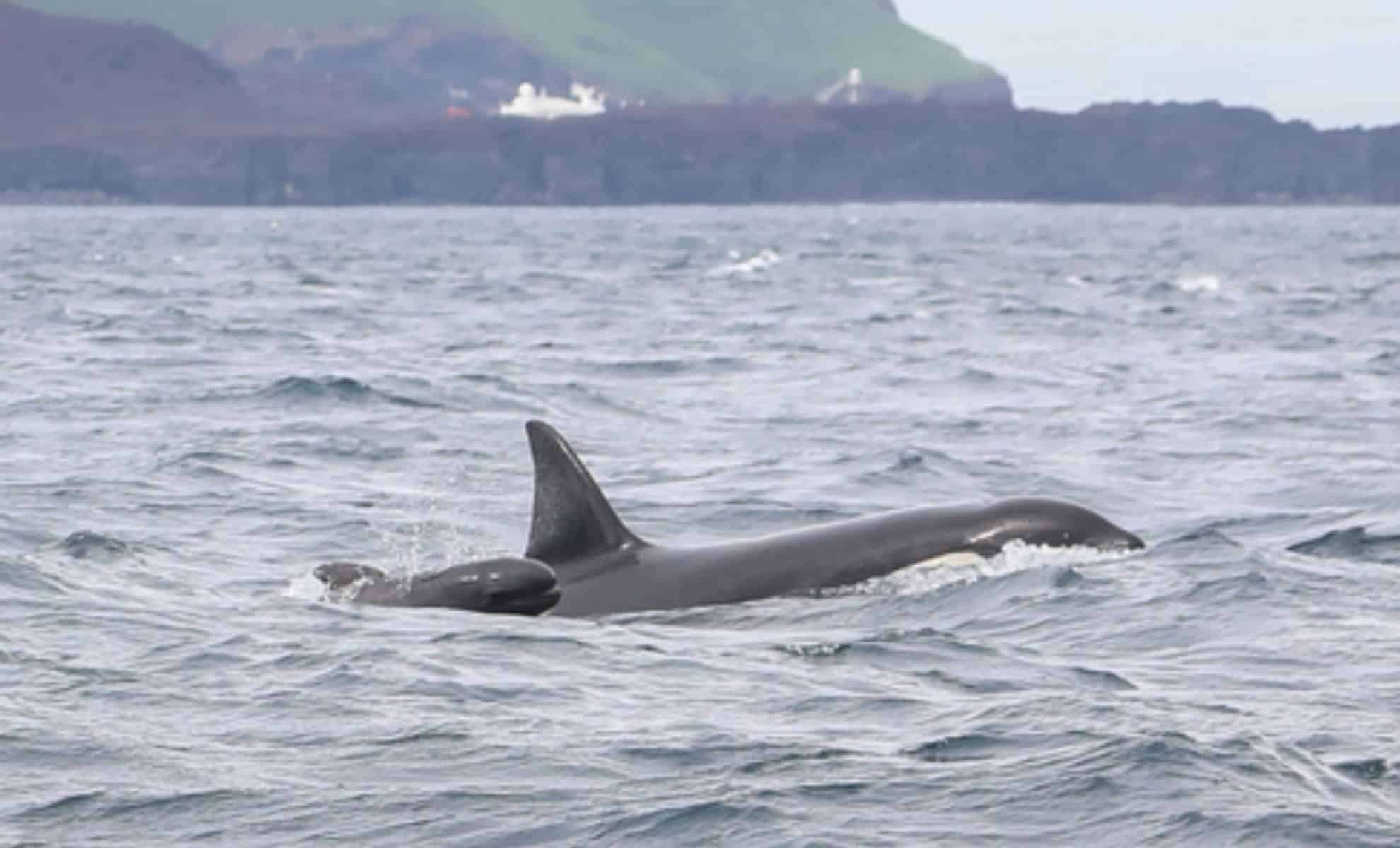
Samarra suggested climate change may influence these rare associations. With pilot whales following mackerel moving into warmer waters, there is greater habitat overlap with orca pods. The research team plans to observe these interactions in the upcoming summer to better understand the calves’ involvement and their eventual outcomes.
- Categories:
- Nature














0 comments
Sign in to Comment