
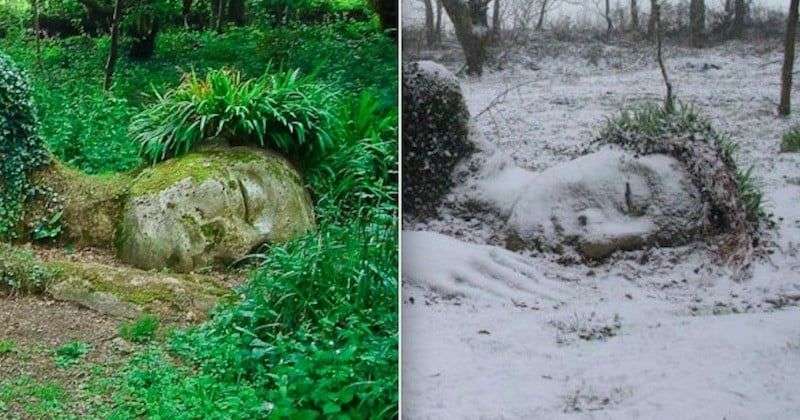
Hidden in the southwestern English region of Cornwall, a stunning fusion of artistic expression and natural elements attracts countless visitors annually. Known as “The Mud Day,” this isn’t your typical sculpture—it’s a living art piece that continually reflects the changing environment. It is situated within the renowned Lost Gardens of Heligan, offering an extraordinary experience for those who explore its verdant landscapes.
What distinguishes this earthen artwork?
Artists Pete & Sue Hill designed “The Mud Day” as a reclining woman peacefully resting amid the woodland. Constructed entirely from earth materials, it harmoniously integrates with its natural surroundings. Unlike conventional sculptures that remain unchanged, this one transforms throughout the seasons. Visitors witness seasonal variations in features such as her hair and garments, highlighting nature’s ongoing cycles. Often described as a “living statue,” it elegantly symbolizes the perpetual motion of the natural world.
The Lost Gardens of Heligan, the sculpture’s home, date back to the 18th century. These gardens are celebrated for their historical importance, diverse flora, and breathtaking scenery. As you traverse this remarkable site, “The Mud Day” stands out—not only for its artistic allure but also for how naturally it blends into the landscape.

What draws so many people to this enchanting spot?
“The Mud Day” has become one of the Lost Gardens’ most popular attractions, drawing visitors in large numbers every year. Its appeal lies not only in its creative design but also in how it invites people to engage with the ever-changing processes of nature. Visitors from all walks of life journey to Heligan to experience this captivating convergence of art and environment.
If you plan to visit, keep in mind that witnessing “The Mud Day” offers more than just visual enjoyment; it’s an opportunity to contemplate how art can spotlight the beauty of nature while capturing its continual transformation. The sculpture inspires reflection on the synergy between human creativity and natural elements, creating something genuinely remarkable.
How do art and nature interact at this location?
Humanity has long used art to express reverence for nature's marvels. Yet many artworks remain static, unable to depict the relentless changes inherent in natural cycles. “The Mud Day” defies this by embodying nature’s vitality and flux.
This living artwork challenges the notion that art must be permanent or unchanging. Instead, it flourishes in harmony with nature’s ebb and flow, evolving as the seasons shift. This dynamic relationship enriches our appreciation for both artistic creation and the environment.
In conclusion, Cornwall’s Lost Gardens of Heligan host a unique artistic innovation in “The Mud Day.” By merging with its natural setting and evolving over time, it invites visitors to reconsider their connection to the natural world and encourages a deeper harmony between human inventiveness and environmental stewardship. As you stroll through this enchanting garden, take time to reflect on how living art deepens our bond with nature and perhaps inspires future creative collaborations that celebrate the timeless dance between art and the earth.
- Categories:
- Nature







0 comments
Sign in to Comment