
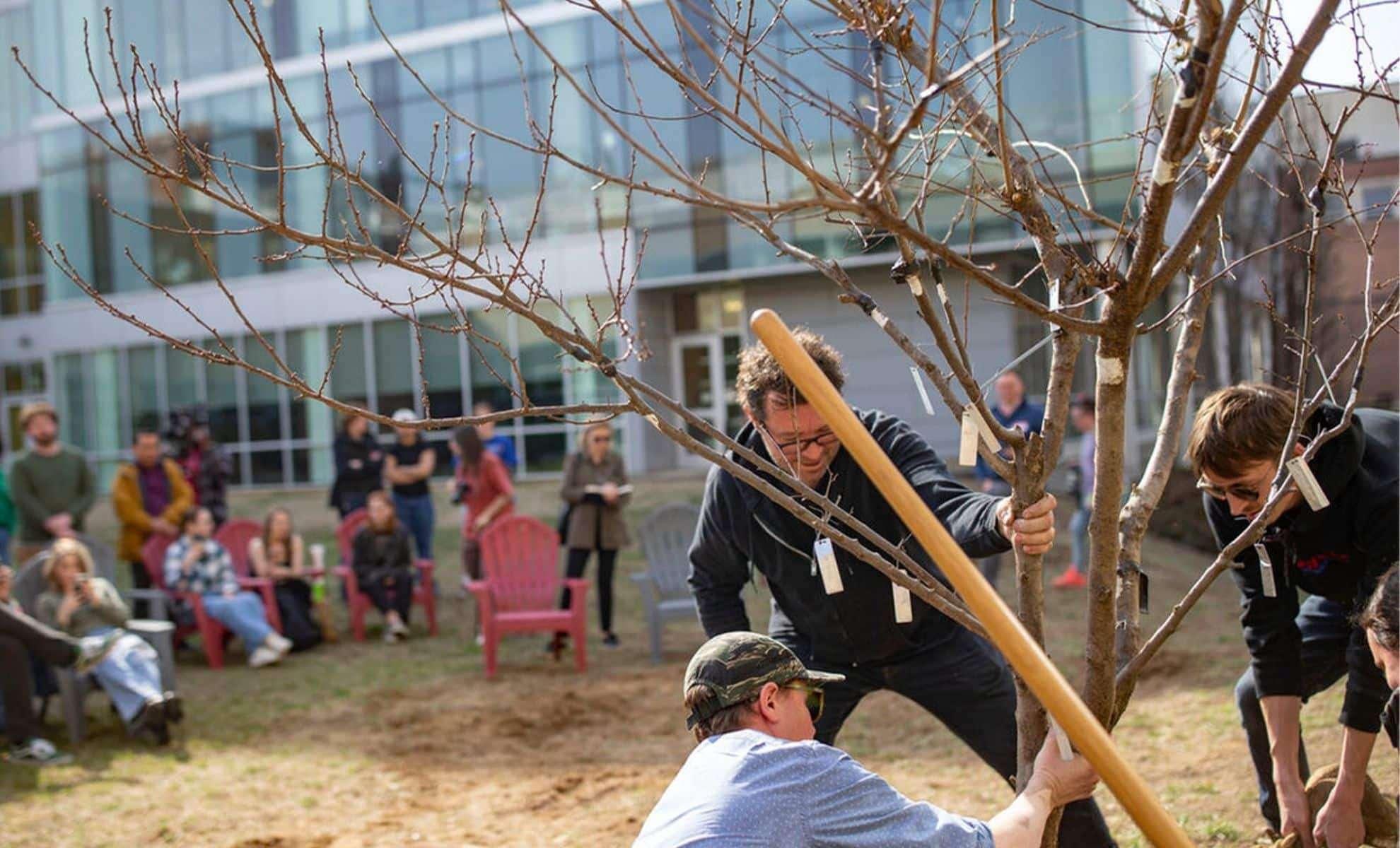
At the core of Philadelphia, Temple University proudly hosts a remarkable living installation known as the Tree of 40 Fruits. Conceived by Sam Van Aken, an artist who uniquely combines botanical science with creative expression, this grafted specimen yields an impressive variety of 40 distinct stone fruit species, including apricots, cherries, peaches, plums, among others.
Where Creativity Meets Botanical Science
The Tree of 40 Fruits represents more than just a botanical wonder; it embodies the convergence of artistic vision and horticultural practice. Van Aken’s innovative method provides students from fields such as art, horticulture, and landscape architecture with a hands-on opportunity to investigate the synergy between innovation and ecological responsibility.
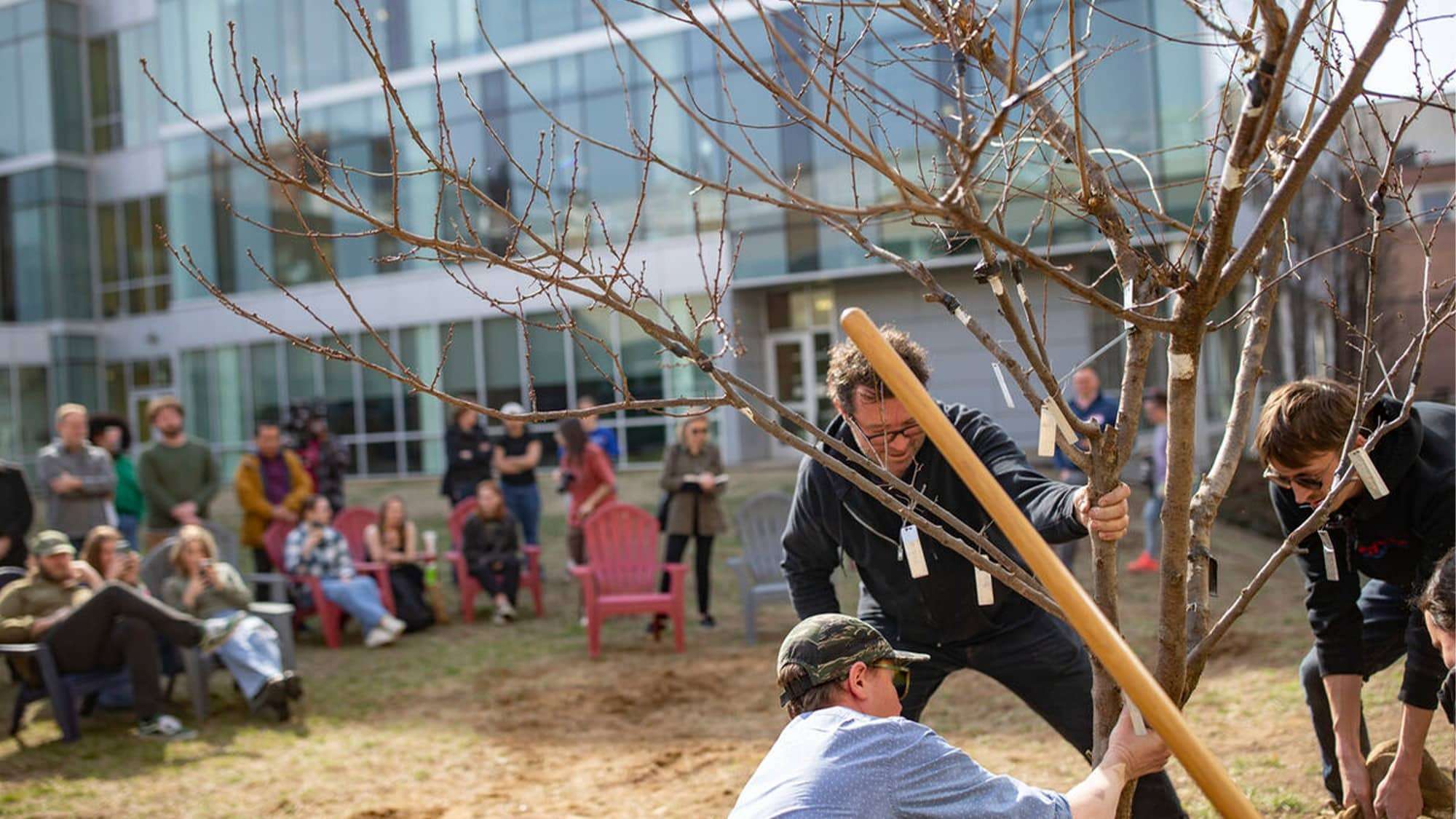
Participants engage directly in the grafting procedure—attaching branches from various fruit trees onto a single trunk—gaining insight into this age-old agricultural art, which supports the conservation of rare fruit species while generating an entirely new living creation.

This initiative offers both educational value and practical experience. Over the upcoming two years, students at Temple University will deepen their understanding of grafting and explore the cultural heritage tied to fruit varieties prevalent in the region, embracing both native and introduced species.
An Ancient Technique at the Core
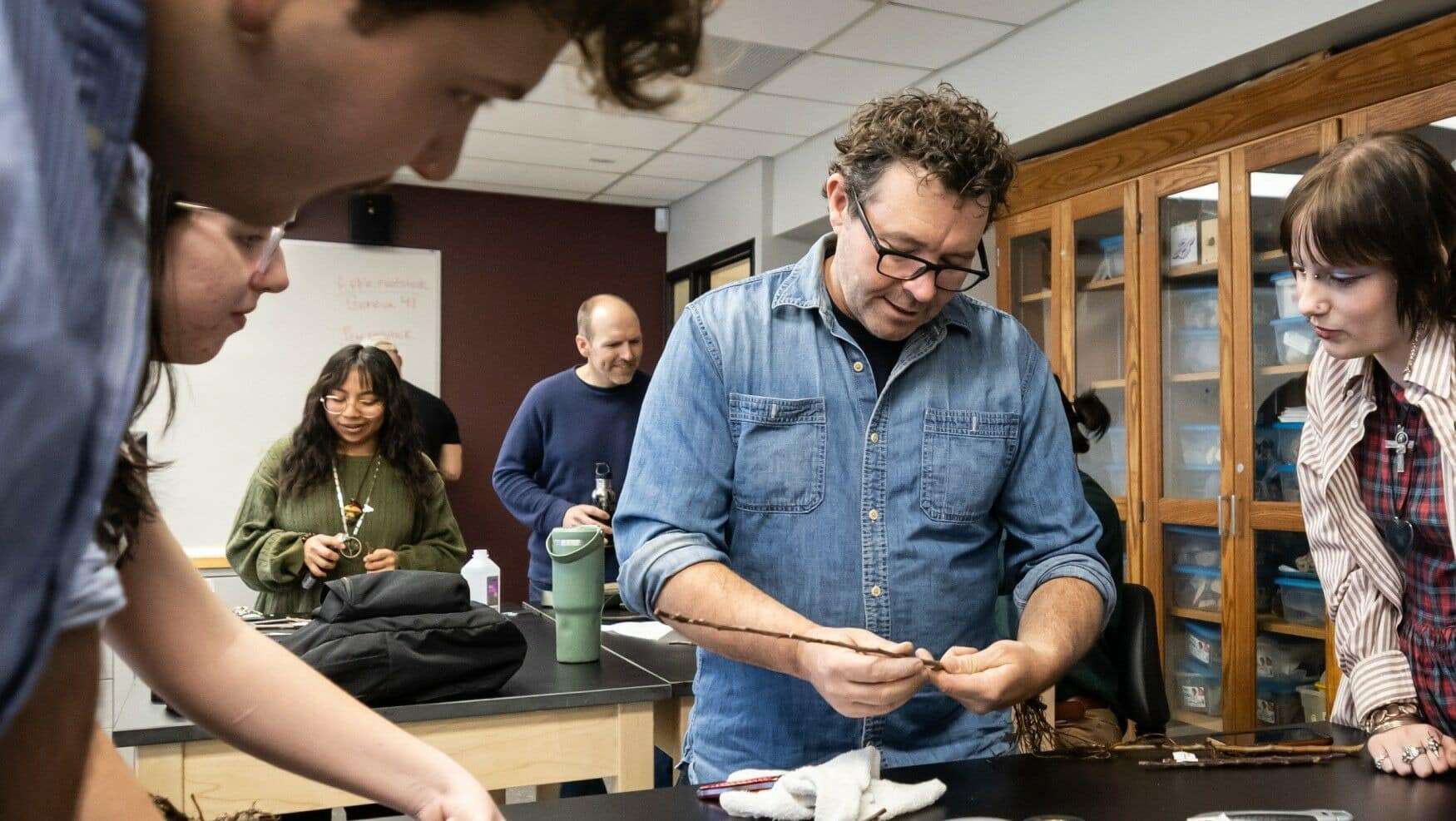
The foundation of this unique botanical project hinges on the time-honored practice of grafting, which Van Aken notes dates back to at least 1800 BCE. This technique involves merging the rootstock of one plant with the branch of another, thereby combining their finest characteristics.
This method safeguards desirable qualities such as flower production and fruit flavor while enhancing the tree’s adaptability and resilience across varied environments.
Van Aken highlighted grafting’s vital role not only in crafting hybrid trees but also in safeguarding heirloom fruit varieties. He pointed out that many of these precious varieties have been “lost” due to modern commercial farming practices, underscoring the importance of his artistic interventions.
“For me, what’s become really interesting in my discovery process is that these heirloom fruits aren’t just agricultural products,” Van Aken said. “They are cultural objects and embedded in them aren’t just nutritional aspects or tastes, it’s actually the history of civilizations around the world.”
Exploring History and Hands-on Learning
Beyond its technical merits, the Tree of 40 Fruits offers a profound platform to delve into the historical and cultural context of fruit agriculture. Van Aken’s goal extends past mere cultivation—he wants to inform both students and the public about the layered cultural meanings each fruit variety embodies.
“These fruits are not just agricultural products,” he explained, “they are cultural objects.”
The assortment of fruits symbolizes centuries of agricultural exchange among diverse societies, demonstrating the intertwining of nature and civilization.
During a recent lecture at Temple University, Van Aken invited students to contemplate how agriculture has influenced civilizations across time. Students also received practical experience grafting branches themselves, acquiring firsthand knowledge of this delicate technique that brings new botanical life.
Integrating artistic creativity with horticultural education is a vital feature of the initiative. Sasha Eisenman, an associate professor of horticulture at Temple, commented, “Having an artist whose medium is living trees on campus creates a fascinating dynamic.”
“Seeing how art, science, and nature intersect is valuable for our students as they navigate their careers and align their passions with their professional pursuits.”
Creative Sessions in Cyanotype Art
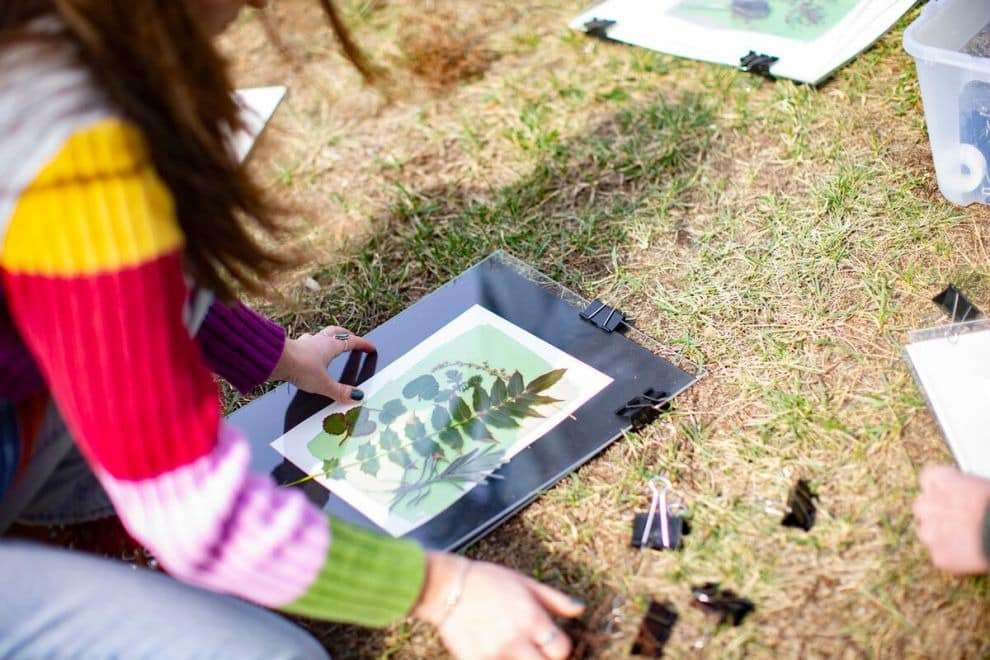
Alongside the grafting activities, Van Aken guided students in exploring botanical themes through cyanotypes. This historic photographic method uses UV exposure on a light-sensitive mixture to produce striking blue-hued impressions of natural specimens.
Students applied this process on paper and fabric, melding artistic and scientific practices. For many participants, such as Jami Deluca, a photography major, the experience offered fresh perspectives.
“Talking with Sam, I realized he’s almost like a detective—tracking down rare plants, researching their history and preserving them through his work,” Deluca said. “We see the finished cyanotypes, but behind them is this deep scientific process, from gathering materials to the chemistry of printing.”
Van Aken’s workshops highlight the broader mission of the Tree of 40 Fruits: fostering respect for how art can safeguard and narrate the natural world’s rich heritage and beauty.
- Categories:
- Nature











0 comments
Sign in to Comment