
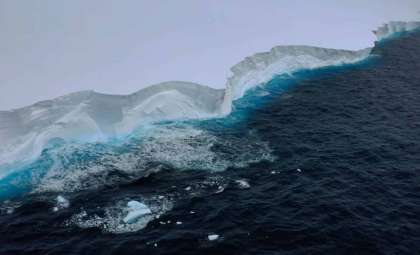
An enormous iceberg's calving from Antarctica has unveiled a previously inaccessible marine environment bustling with life in complete darkness. Researchers who promptly arrived on site discovered a surprisingly vibrant community thriving beneath the ice.
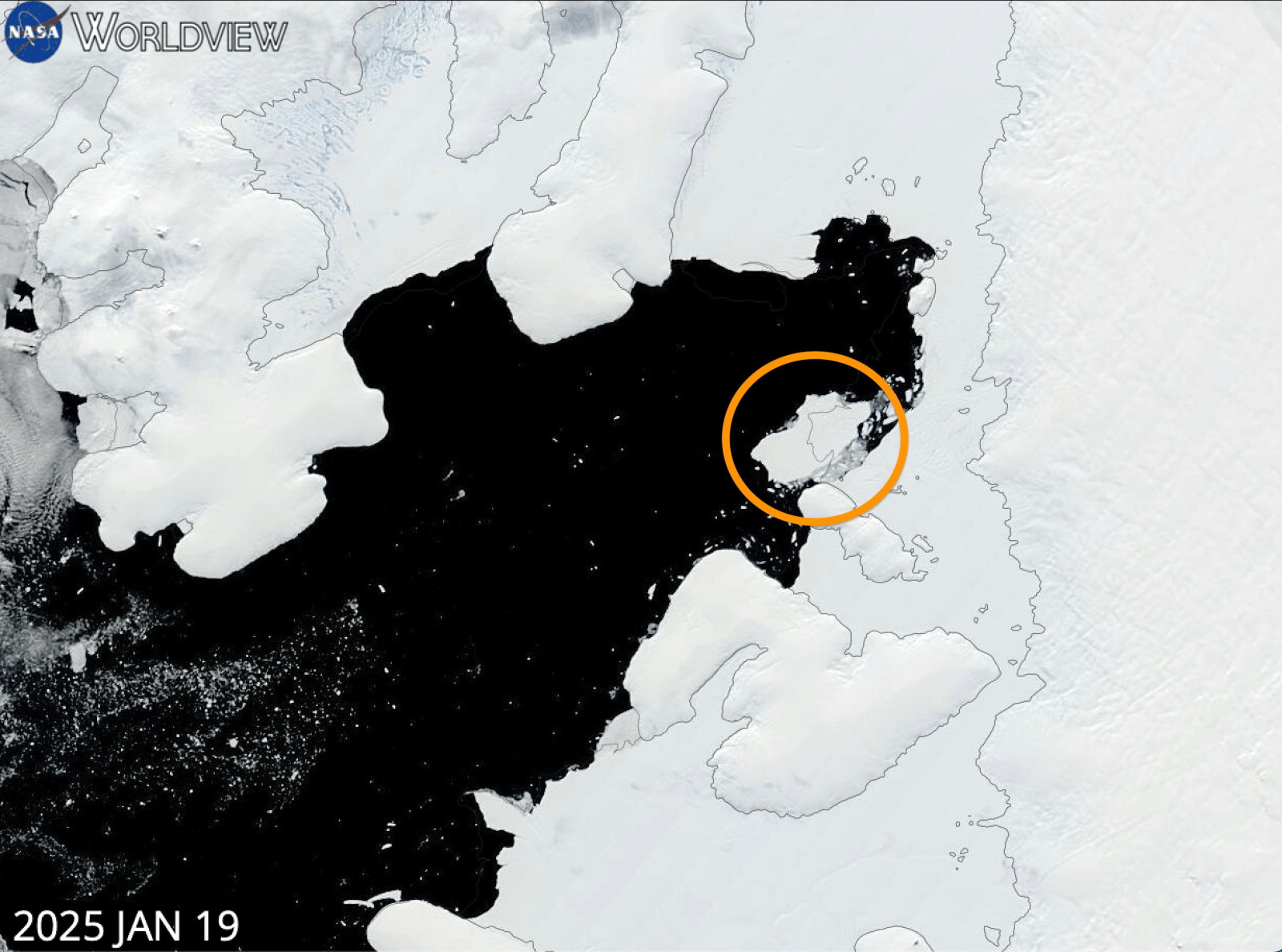
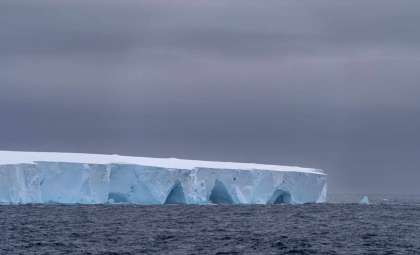
Designated A-84, the iceberg separated from the George VI Ice Shelf on January 13, 2025, uncovering roughly 510 square kilometres of seabed—an expanse similar in size to a major metropolitan area—offering a rare window into an ecosystem that had been isolated for an extensive period.
Scientists aboard the R/V Falkor (too) swiftly shifted their expedition to investigate this newly exposed habitat. Utilizing the remote-operated vehicle SuBastian, they explored depths reaching 1,300 metres, capturing unprecedented footage of a previously unseen oceanic zone.

An Unexpectedly Thriving Biological Community Beneath the Ice
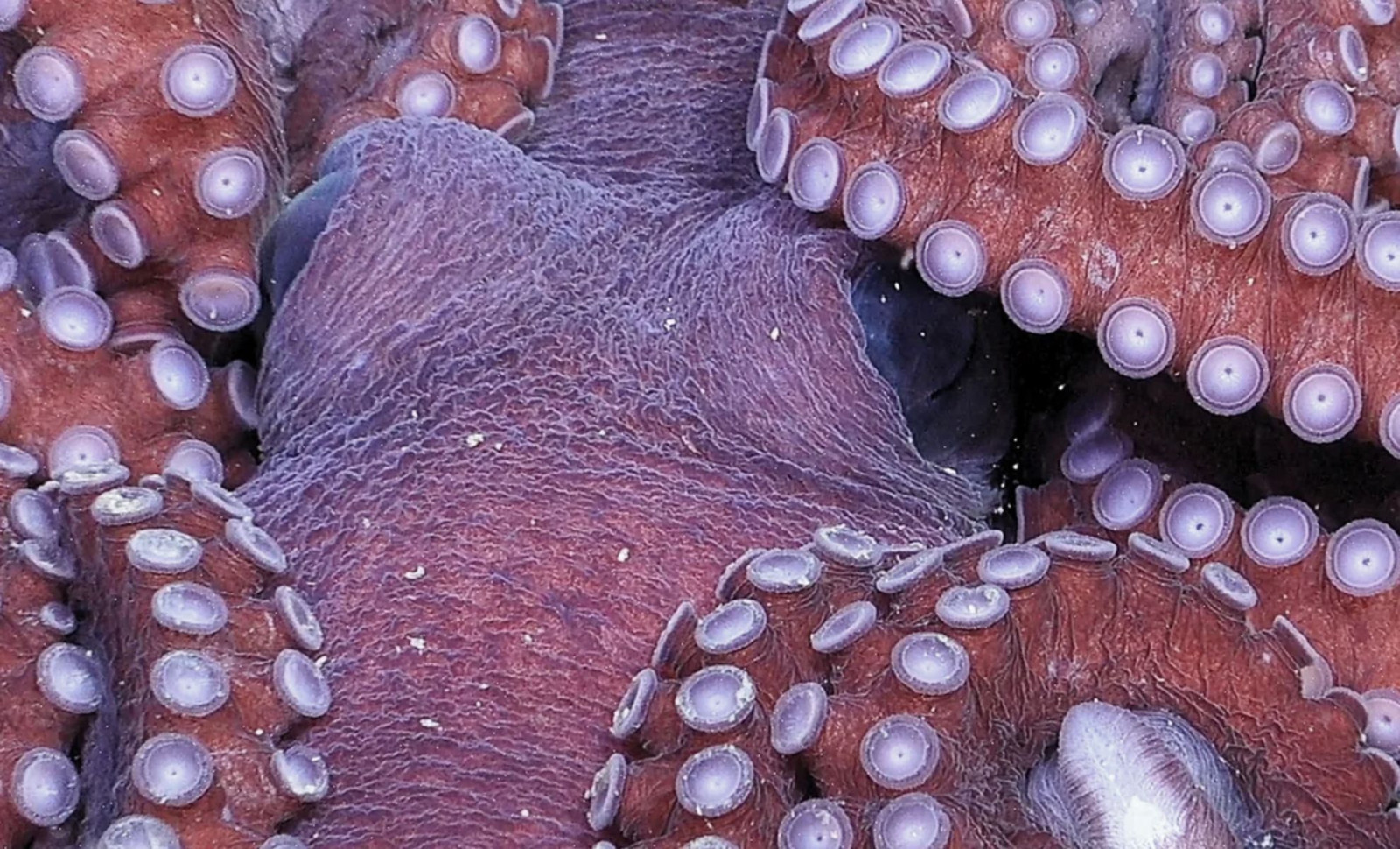
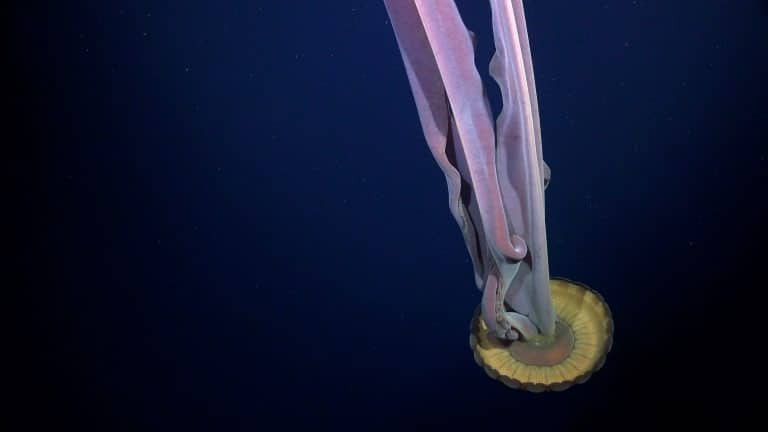
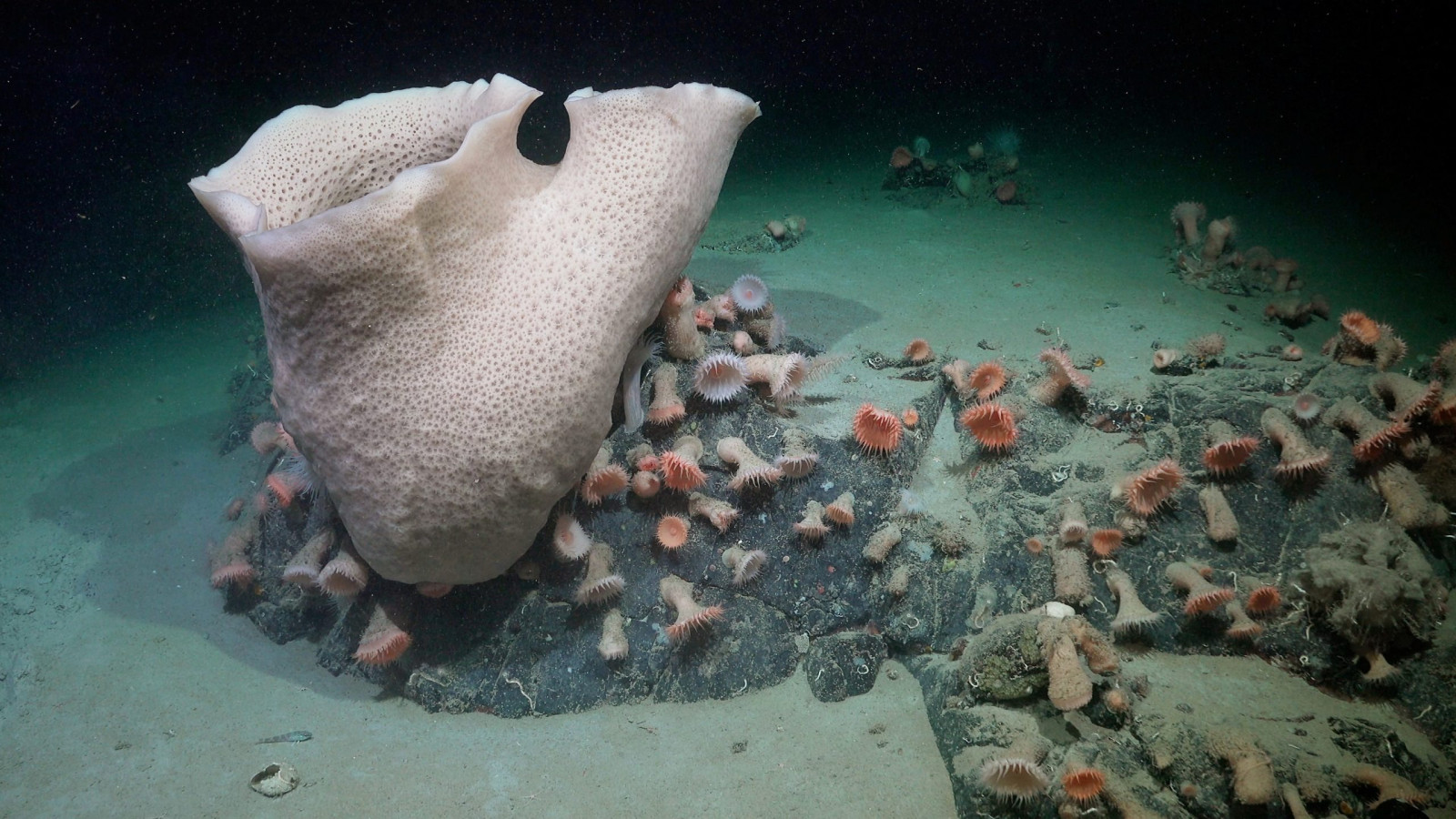
According to a statement from the Schmidt Ocean Institute, rather than a barren seabed, the expedition uncovered dense clusters of sponges and corals that supported an array of marine life including icefish, octopuses, large sea spiders, and even a striking phantom jellyfish whose tentacles span over 10 metres.
“We seized upon the moment, changed our expedition plan, and went for it so we could look at what was happening in the depths below,” she said. “We didn’t expect to find such a beautiful, thriving ecosystem. Based on the size of the animals, the communities we observed have been there for decades, maybe even hundreds of years.”
Dr. Patricia Esquete, assistant researcher at the University of Aveiro, noted that the considerable size of these creatures indicates the ecosystem has persisted for many decades, potentially centuries. Some species recorded during the dives might be previously unknown, and ongoing analysis of the collected data aims to uncover more details.
Adapting to Life Deprived of Sunlight
This discovery prompts an essential question: how is life sustained beneath 150 metres of ice, completely cut off from sunlight and direct food sources?
“Those studies indicated that the ecosystems seemed to be quite impoverished, with a limited number of species. Now we know that under ice shelves, at least in the first 15 kilometers from the front” adding that “there are diverse, well-established ecosystems.”
Researchers hypothesize that oceanic currents may transport nutrients from distant locations, while glacial meltwater could play a key role in fueling ecological activity, suggesting that life here does not solely depend on organic matter sinking from the ocean surface.
Insights From Antarctica’s Changing Landscape
This expedition provides a unique perspective on Antarctica's environmental transformations. By studying the newly revealed seafloor and adjacent waters, scientists aim to deepen their understanding of connections to global sea level changes. As Sasha Montelli explains, such data helps contextualize current developments, enhancing predictions about future shifts.
“We thought we might see some life there, but it was really surprising to see the degree to which life was thriving in such a hostile environment. And it wasn’t just existing there but had apparently been sustained for a very long time.”
Within the framework of the Challenger 150 program, the team employed autonomous instruments to monitor oceanic conditions. Initial findings suggest rising meltwater levels and shifts in the region's environmental dynamics.
“The ice loss from the Antarctic Ice Sheet is a major contributor to sea level rise worldwide,” Montelli said. “Our work is critical for providing longer-term context of these recent changes, improving our ability to make projections of future change.”
- Categories:
- News




0 comments
Sign in to Comment