
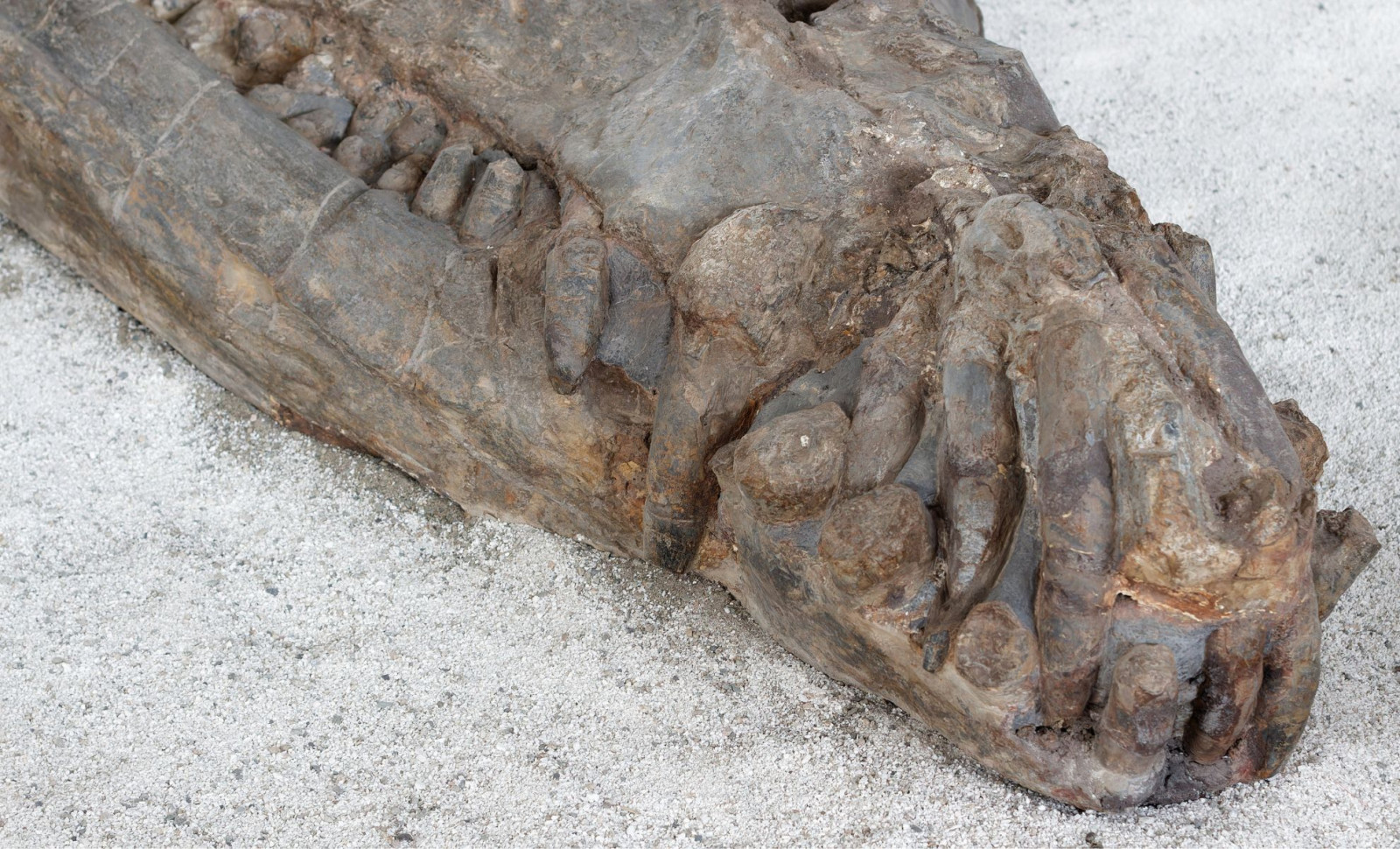
Researchers have uncovered the remains of a colossal marine crocodile measuring more than 30 feet in length in Tunisia. This specimen, identified as Machimosaurus rex, reveals that this species survived millions of years later than previously believed, prompting a reexamination of extinction timelines. The discovery, led by Federico Fanti of the University of Bologna, was published in Cretaceous Research.
While the sheer size of the fossil immediately captures attention, the implications of this find challenge long-standing ideas about marine crocodile evolution. It suggests that a lineage of these reptiles persisted far longer than scientists had thought, necessitating a fresh look at a critical era in Earth’s past.
An Exquisitely Preserved Marine Giant
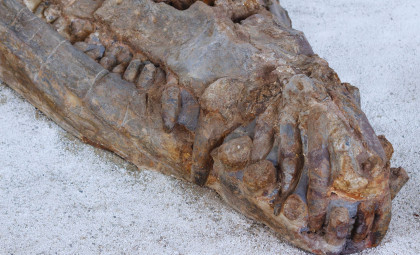
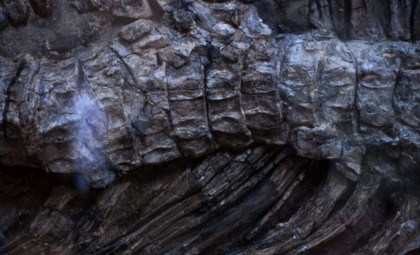
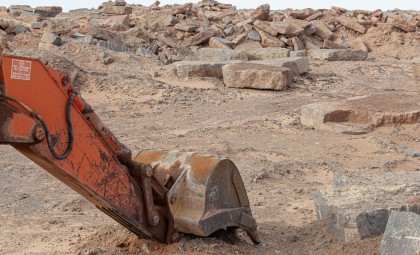
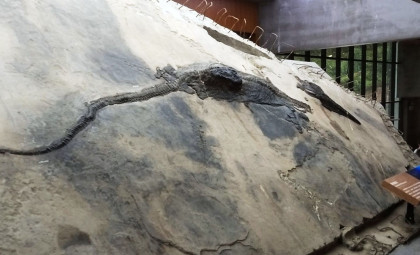
Located just below the surface near the fringes of the Sahara Desert in Tunisia, the fossil’s shallow burial depth contributed to its exceptional state of preservation, as detailed in Cretaceous Research. Excavation revealed an almost complete skeleton. The massive skull alone, spanning over five feet, required two full days to expose completely.

“There was a neck attached to it, and then the back, and the tail, and the limbs sticking out sideways. The whole crocodile was there,” saidTetsuto Miyashita, a doctoral researcher at the University of Alberta.
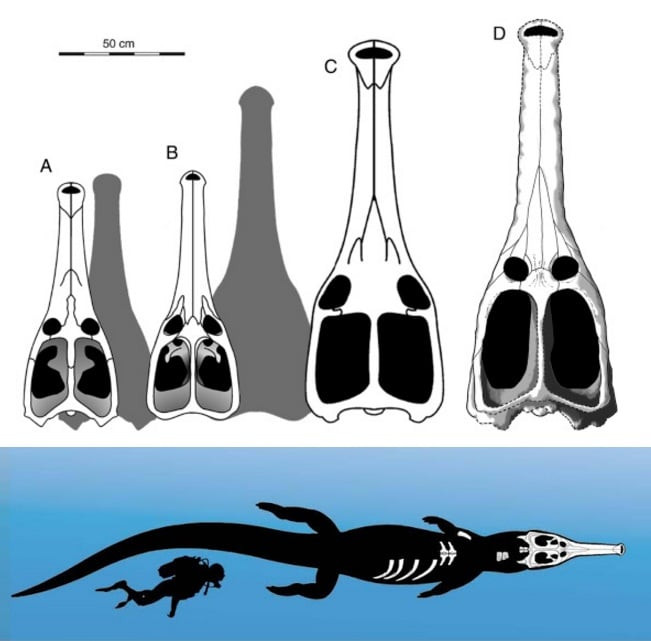
The remainder of the skeleton is nearly intact, offering an outstandingly detailed representation of the creature’s full anatomy.
“This one was a big surprise, not because we found fossils, but we found beautiful ones,” as Federico Fanti put it.
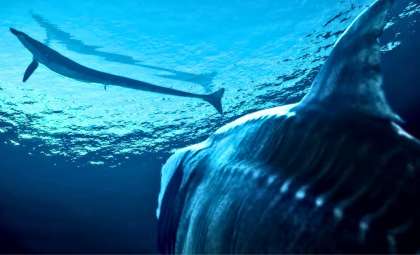
The crocodile’s size is staggering. Experts estimate it measured over 30 feet and weighed around three tons. Fanti described the creature as “massive,” likening its size to that of a bus. Such comparisons become more believable when considering the dimensions.
“That gave me the sense of how big this animal was,” he says. “I could tell the whole length of the skull must be about my height, 5.5 feet. That’s larger than the skull of T. rex,” noted Miyashita.
A Predator Built for Power
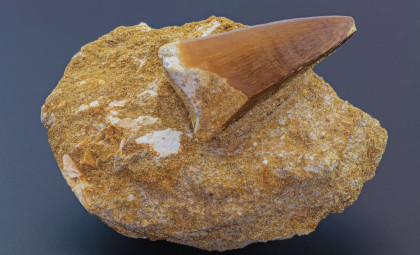
Examination of Machimosaurus rex's skeletal structure indicates it was designed for immense biting force rather than speed. Its broad skull and short, robust teeth were suited for crushing prey.
“These teeth weren’t for cutting or piercing flesh,” stated Miyashita in an university statement, “they were built for crushing bones.”
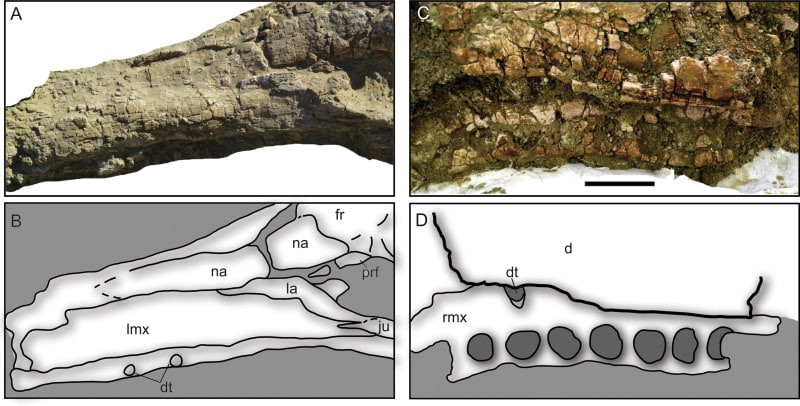
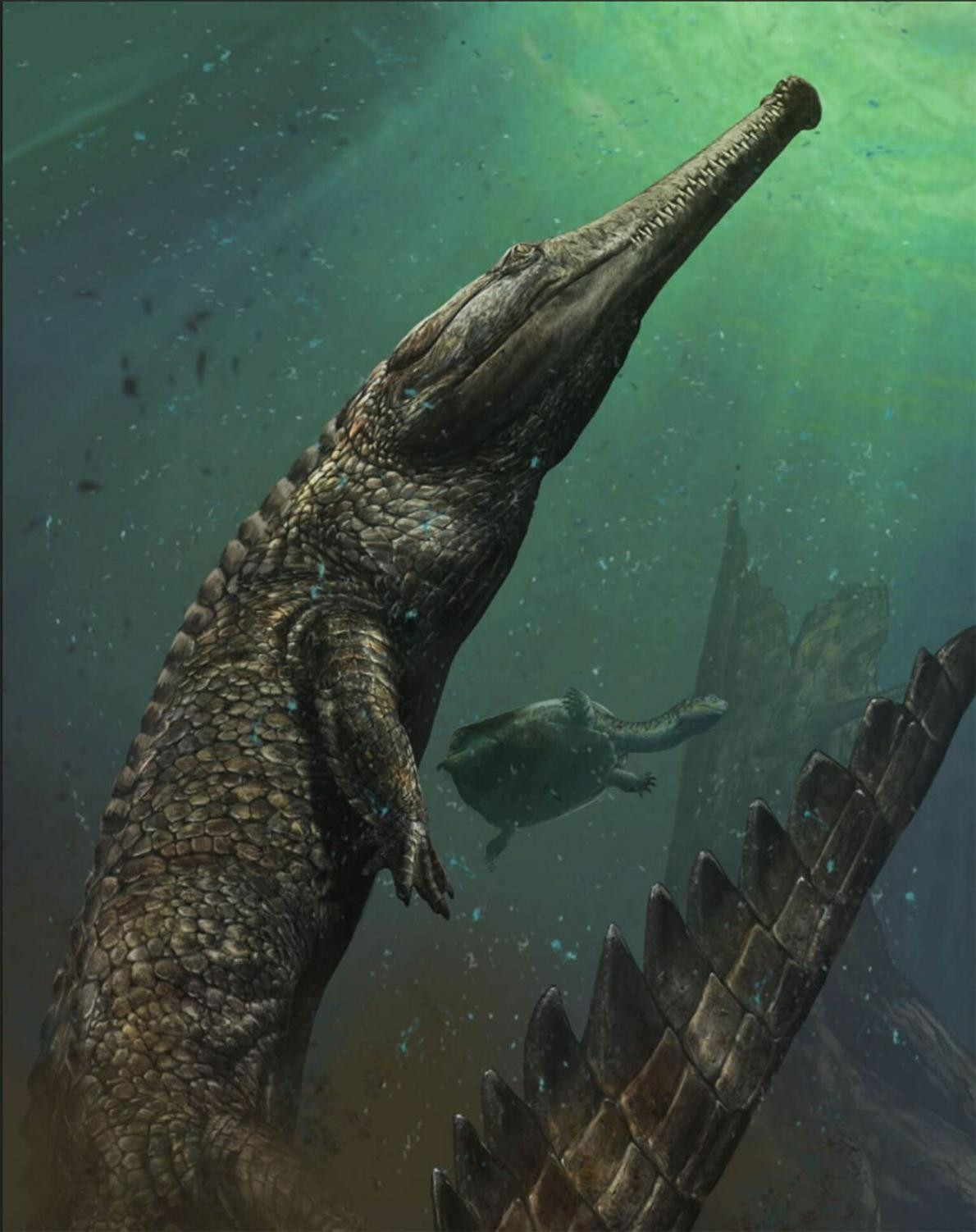
Evidence implies its diet included turtles, as their fossils were found nearby, and fish, pointing to a rich habitat able to sustain large marine predators.
Fanti suggested the crocodile was “fully equipped” for aquatic hunting. It likely employed ambush tactics and scavenged opportunistically, thriving in a lagoon once connected to the open ocean.
Reevaluating Extinction Timelines
The most unexpected aspect of this find is its geological age. Machimosaurus rex lived around 130 million years ago during the Cretaceous period. This contradicts prior assumptions that this crocodilian group vanished about 150 million years ago at the close of the Jurassic, attributed to a marine reptile extinction event.
Fanti’s findings indicate that extinction during this era may not have been as absolute as previously thought. The presence of Machimosaurus rex in the Cretaceous suggests that some species endured beyond the Jurassic boundary. He commented:
“That’s leading us to consider the mass extinction theory is wrong and that we should better understand what’s going on at the end of the Jurassic period.”
- Categories:
- Science


0 comments
Sign in to Comment