
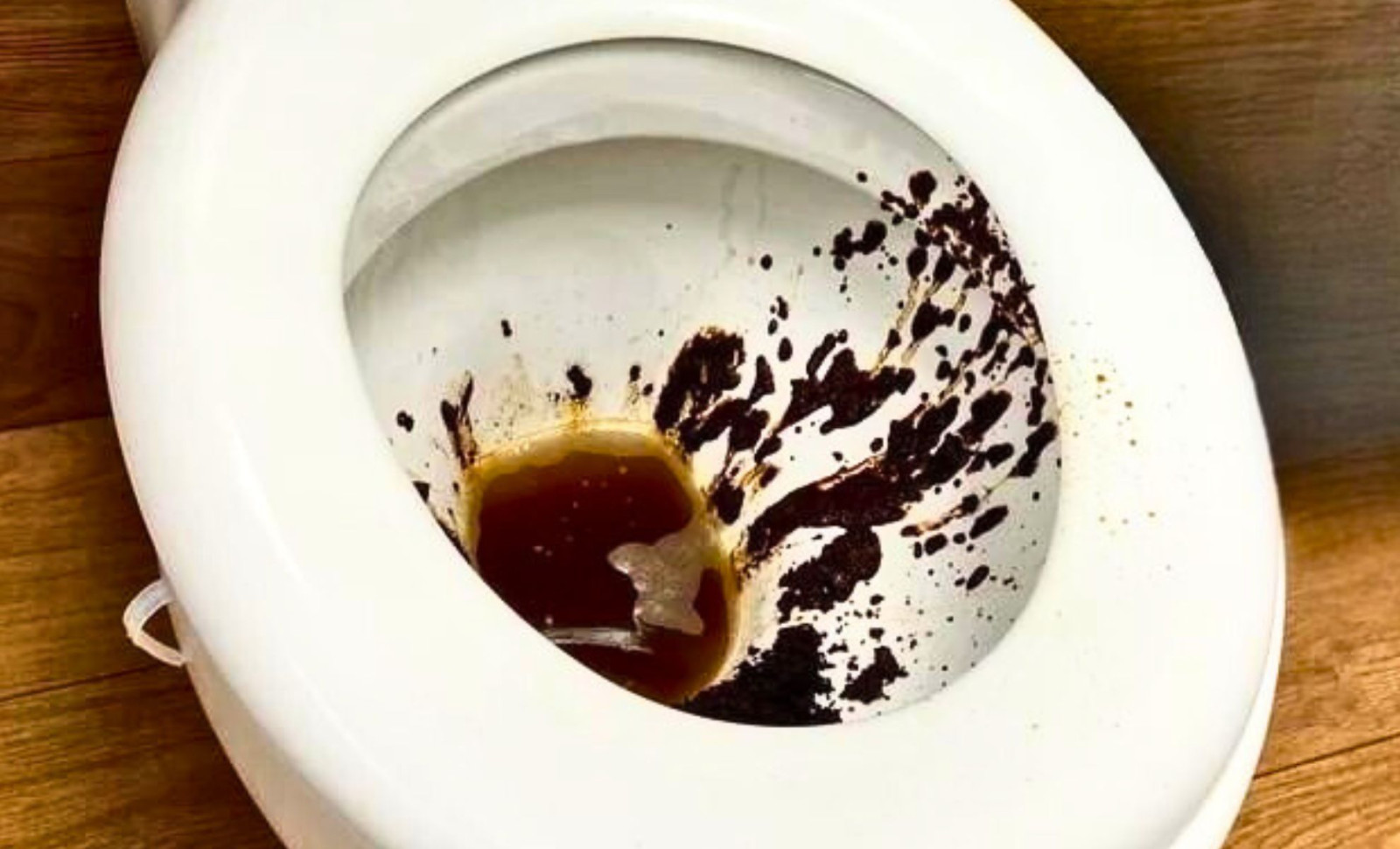
Just a spoonful of used coffee grounds is enough, say numerous videos and social media trends gaining momentum throughout Europe in late 2025. Presented as an affordable, natural alternative to chemical toilet cleaners, this practice promises to eliminate odors, remove stains, and freshen toilets without any synthetic additives.
Supporters suggest a straightforward routine: after brewing coffee, take the moist grounds, sprinkle them into the toilet bowl, scrub briefly, and flush. This approach appeals particularly to those committed to sustainable lifestyles and zero-waste habits. However, increasing adoption of this tip has sparked alarm among plumbing experts, sanitation officials, and infrastructure engineers, especially in cities with outdated sewer systems.
By early 2026, what began as an online trend transformed into a tangible challenge, with maintenance workers and community forums reporting frequent toilet clogs and slow drainage linked to coffee ground disposal. What might seem eco-friendly initially can carry hidden consequences that only surface after damage occurs.

A Popular Trick with Hidden Pitfalls
The toilet coffee grounds trend aligns with a broader movement favoring natural cleaning methods over commercial chemical products. Many viral tutorials claim coffee grounds act as a gentle abrasive, capable of scrubbing away surface stains and absorbing foul toilet odors, making it especially useful before periods of inactivity that encourage unpleasant smells.
One widely disseminated article touted this method as an effective way to neutralize odors without resorting to harsh substances like bleach or ammonia, highlighting the grounds’ fine texture for mild scrubbing. Yet, while the advice highlights surface benefits, it neglects the risks once these grounds enter the plumbing system beyond the toilet bowl.
Wet coffee residue does not dissolve but instead clumps together, tending to settle in pipe bends and junctions. Regular flushing of even small amounts can cause gradual buildup that hinders water flow and encourages accumulation of soap scum, toilet paper fibers, and mineral deposits.
Challenges for Household Drainage Infrastructure
A comprehensive report from agrarheute, a German publication focused on agriculture and environment, warned that flushing coffee grounds behaves like sediment in older pipes. The report detailed how the fibrous makeup of coffee grounds—containing cellulose, oils, and fine particles—forms soft obstructions that impede flow, particularly in homes with aging wastewater systems.
In buildings constructed prior to the 1980s, wastewater pipes tend to have narrower diameters and sharper bends, which were not designed to handle solid organic matter. Maintenance teams across various German cities have noted a rise in partial clogs—soft blockages that slow drainage but don’t cause complete stoppage—often requiring mechanical cleaning tools.
They also point out that this issue is not confined to single-family homes. In multi-unit residences, occasional improper disposal by several tenants can cause recurring problems in shared vertical plumbing stacks, leading to expensive diagnostics and repairs.
The Impact Beyond the Toilet Bowl
The widespread belief that flushed materials simply vanish without consequence is inaccurate. Urban sewage systems are engineered with limitations, optimized primarily for handling human waste and toilet paper. Materials like coffee grounds, wet wipes, grease, and hair do not break down easily and often cause clogs.
In cities with combined sewer systems, heavy stormwater or peak usage shortens solid-settlement times and screening efficiency, causing solids flushed during these periods to pass into treatment plants or natural waterways, thereby increasing environmental and operational challenges.
Despite coffee grounds being biodegradable, their tendency to swell, form clumps, and absorb fats makes them unsuitable for flushing. Wastewater agencies in Germany, Austria, and Switzerland classify coffee grounds as non-flushable waste, advising disposal through organic recycling bins or compost heaps where they improve soil due to high nitrogen and phosphorus levels.
An Example of Misinformation Putting Infrastructure at Risk
The coffee grounds flushing fad exemplifies a broader issue: environmentally conscious habits spreading rapidly via social media without adequate understanding of existing infrastructural limits. While these tips are often visually appealing and easy to try, they rarely mention downstream plumbing problems.
Plumbing professionals across multiple European cities consistently note the role of organic waste like coffee grounds in the increasing number of service calls for partial drain blockages. These issues reveal pipes lined with layers of sediment composed of fibrous kitchen waste, oils, and mineral buildup.
Currently, there is no EU-level regulation or public health campaign addressing this disposal trend. However, regional water utilities and environmental authorities continue to issue guidelines discouraging dumping solid organic waste into household plumbing.
As of February 2026, all available municipal waste recommendations from German-speaking countries classify coffee grounds as unsuitable for toilet flushing. Experts emphasize that while coffee grounds are excellent for composting, they pose significant maintenance challenges when flushed down drains.
- Categories:
- News










0 comments
Sign in to Comment