
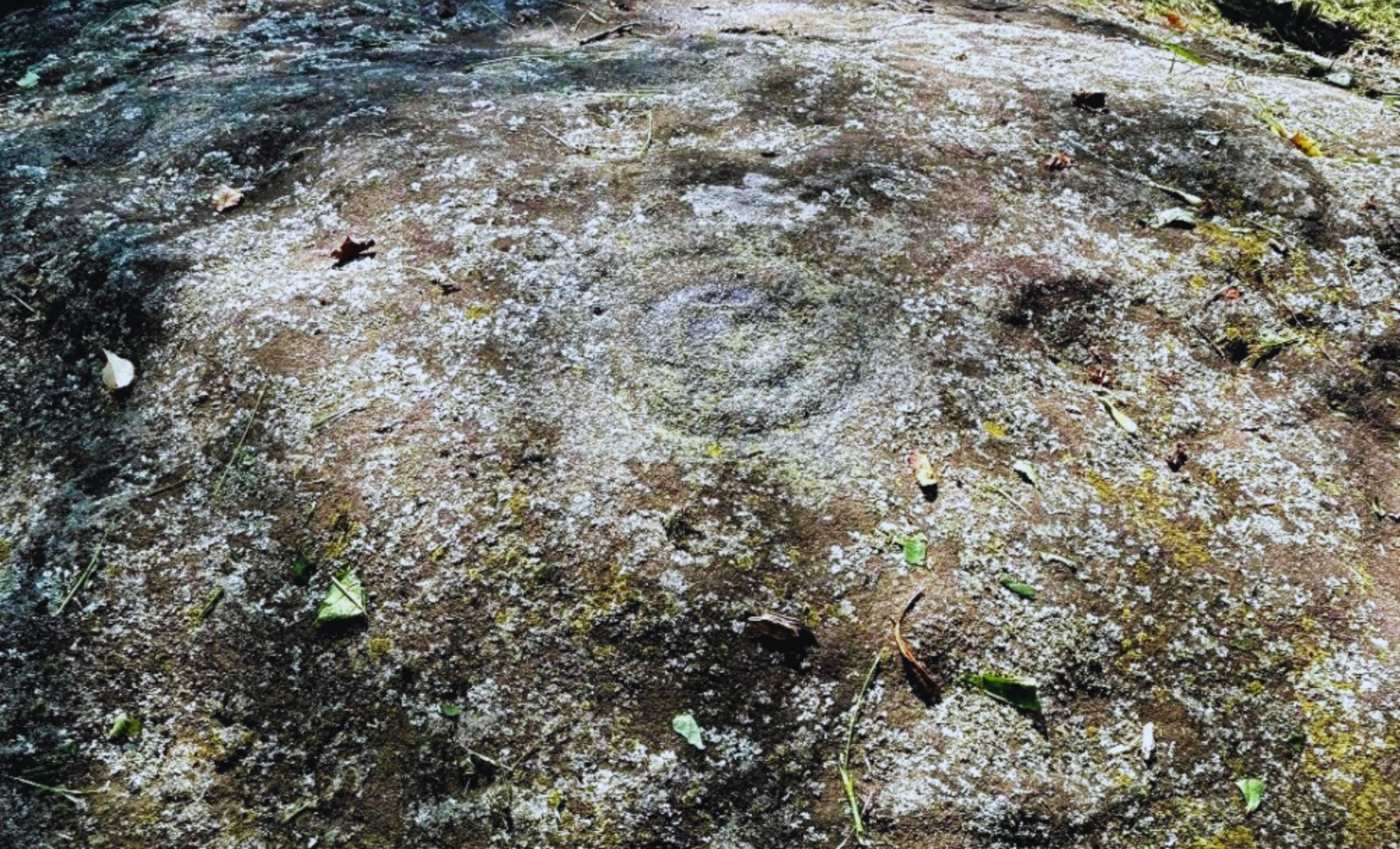
Perched atop a forested ridge in eastern Ohio, a colossal sandstone rock is etched with over a hundred ancient footprints and figures whose origin puzzles experts. This landmark, referred to as the Barnesville Petroglyph, has been a focal point for archaeologists, locals, and intrigue seekers alike for many years. Despite extensive study, the identity of its carvers and the meaning behind the engravings remain unresolved.
Locals often call the stone “Track Rocks” due to its numerous animal tracks, human visages, serpentine shapes, and symbolic designs. While some carvings are still sharply defined, others have suffered weathering and damage. This location stands out as one of Ohio’s most enigmatic Indigenous heritage sites.
Tracing the Origins of the Carvings
Researchers have debated extensively over which culture produced these designs. Initial theories credited the Adena people, who inhabited this region from approximately 500 BCE to 300 CE.

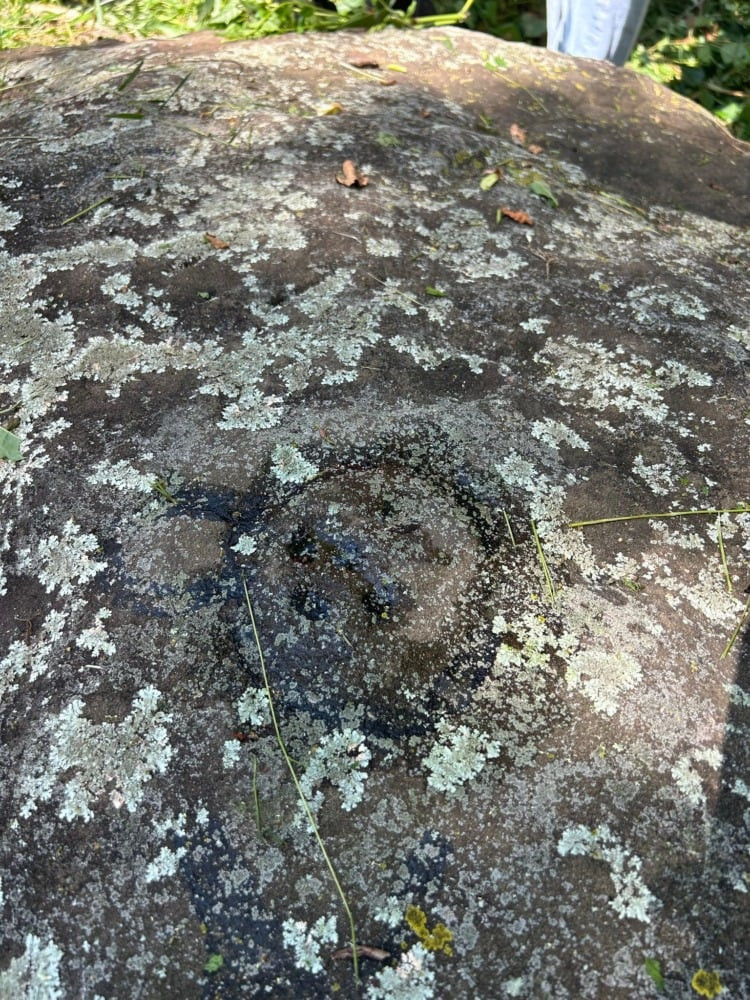
This idea evolved as experts compared the petroglyphs with other sites nearby. According to petroglyph specialist James L. Swauger, many of these carvings resemble those found in Pennsylvania and West Virginia, linked to the Monongahela culture, active around AD 1200 in the Ohio River Valley region. Shared stylistic traits link these sites together across the upper Ohio Valley.
There are also signs suggesting Ojibwe cultural influences. While no definitive conclusion has been reached, archaeologists concur that the engravings were crafted by Native American communities with intention and cultural significance.
Decoding the Images Carved into the Stone
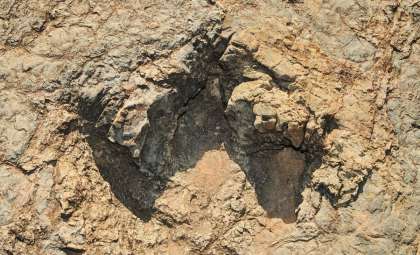
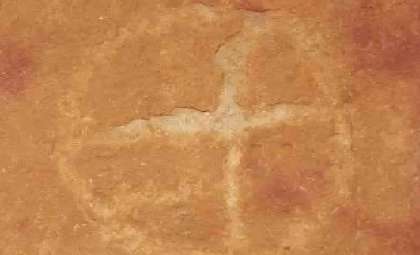
At first glance, the massive rock looks like a simple outcrop within the forest. A detailed look reveals more than 100 documented engravings. As the Columbus Navigator reported, the array includes the footprints of bears, deer, and birds, alongside human foot impressions, serpents, complex spiral motifs, and human face carvings. Certain symbols resemble stretched animal skins.
The carved faces stand out due to their pronounced noses, a rare characteristic in this area. Only one other site in the upper Ohio Valley, the Leo Petroglyph, features similar imagery, with Barnesville’s possibly predating it.
“Did you know? The Barnesville Petroglyph is a well-known petroglyph site located approximately three miles southwest of the village of Barnesville. The petroglyphs have been known both by archaeologists and the public since the 1850s or earlier,” The Belmont County Tourism said in a Facebook post.
Images provided by the county tourism office show detailed carvings as well as crowds gathered around the petroglyph, highlighting its significance as a cultural and historical attraction.
Preserving the Fading Heritage
The petroglyph has suffered significant harm over the years. After 1984, a previous property owner reportedly covered many of the carvings with black paint, altering their appearance and preventing any future carbon dating tests.
Damage is not just limited to surface alterations. One carved boulder was unlawfully removed by individuals claiming to represent a museum during the early 1900s and remains missing. Other stones have vanished due to theft or natural erosion.
According to sources, out of the original 100-plus petroglyphs recorded, fewer than 70 remain visible today, with many faint or defaced by graffiti. The site is open to the public without restrictions, though visitors are urged to treat it with care and avoid causing harm.
- Categories:
- Science





0 comments
Sign in to Comment