
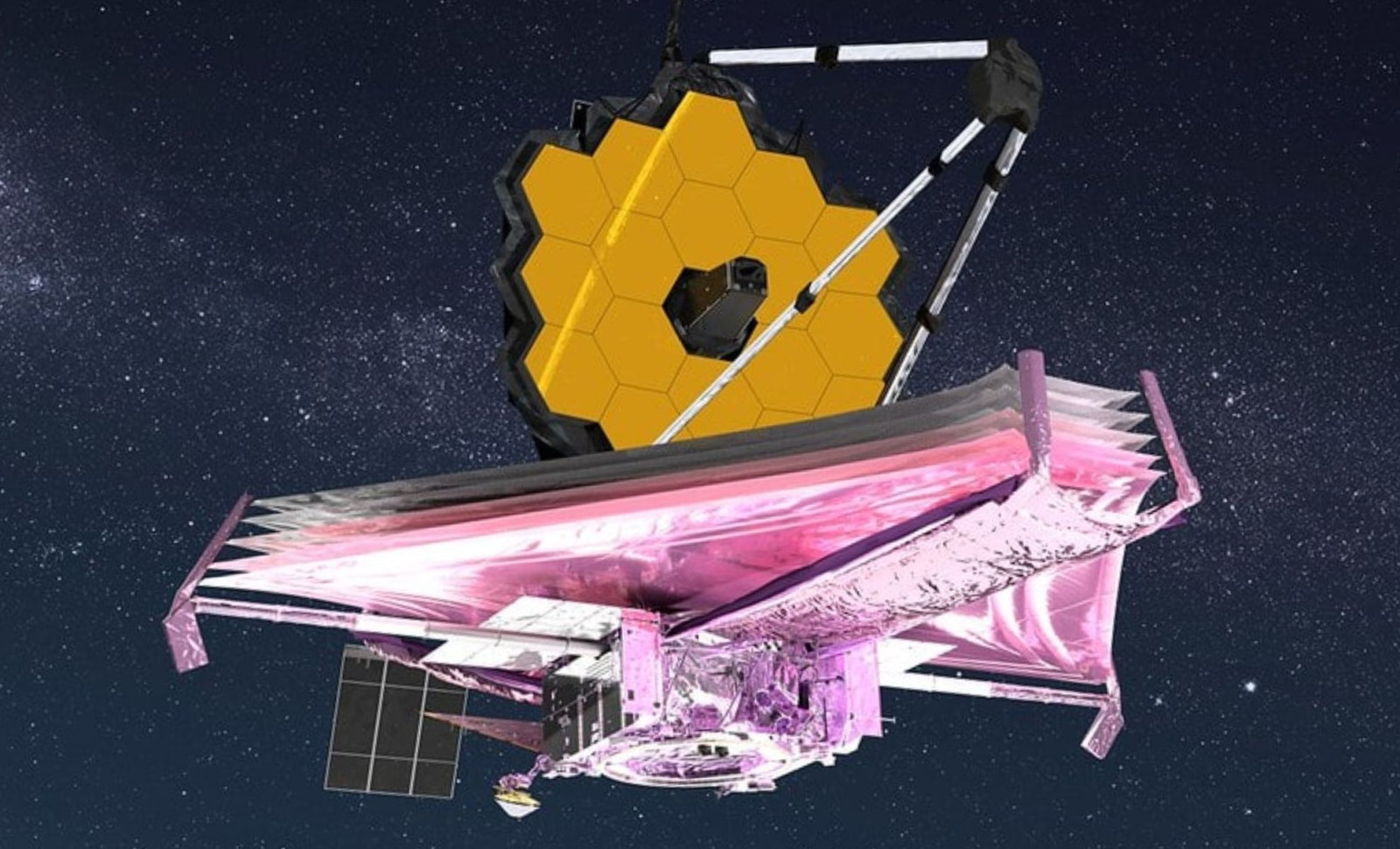
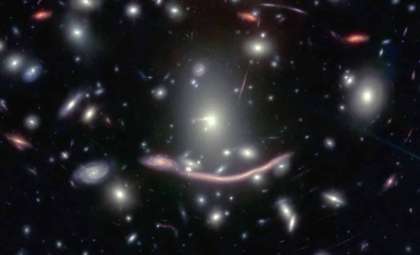
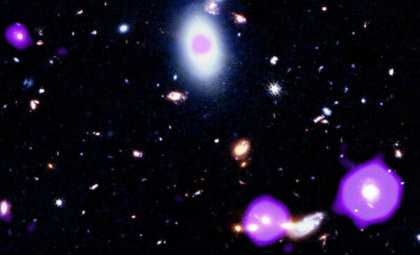
The James Webb Space Telescope (JWST) has uncovered a uniquely slow-spinning galaxy, named XMM-VID1-2075, from the dawn of the cosmos, prompting astronomers to rethink models of early galaxy development. This colossal galaxy, observed as it appeared about 12 billion years ago, challenges conventional ideas about how galaxies spin and evolve over time.
Historically, scientists believed that galaxies in the young universe rotated rapidly, gradually diminishing their spin as they merged with other galaxies. Yet, XMM-VID1-2075 defies this notion, showing a fully matured galaxy without the typical rotational characteristics commonly observed in massive galaxies today.
An Unusual Galactic Type
Most large galaxies today exhibit clear, organized rotation. But a rare group known as “slow rotators” features stars moving in random, unordered paths. Typically, these galaxies have ceased star formation and are uncommon nearby. According to Dr. Ben Forrest, an astrophysicist at the University of California, Davis,

“That’s something only seen in the most massive, mature galaxies that are closer to us in space and time,” he said. “This one in particular did not show any evidence of rotation, which was surprising and very interesting.”
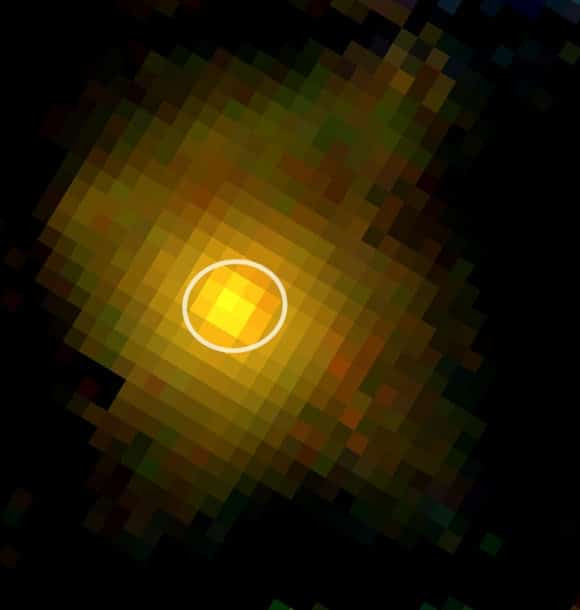
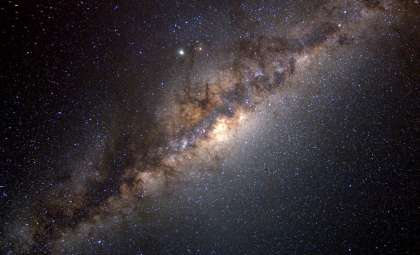
XMM-VID1-2075 ranks among the most massive galaxies known from the early universe, containing many times the stars present in the Milky Way. What is especially remarkable is its absence of rotational movement—a trait usually linked with much older galaxies.
Gazing Into Cosmic Origins
This groundbreaking finding, shared in Nature Astronomy, was made possible by JWST’s advanced infrared sensors, capable of detecting the faintest, most distant cosmic entities. The galaxy’s light has been stretched to longer, redder wavelengths due to cosmic expansion, allowing us to see XMM-VID1-2075 as it was nearly 12 billion years ago, when the universe was less than 2 billion years old.
Dr. Forrest notes that this galaxy’s huge size combined with its cessation of star formation makes it a fascinating subject for further investigation.
“Previous MAGAZ3NE observations had confirmed this was one of the most massive galaxies in the early Universe, with already several times as many stars as our Milky Way, and also confirmed that it was no longer forming new stars, making it a compelling target for follow-up observations.”
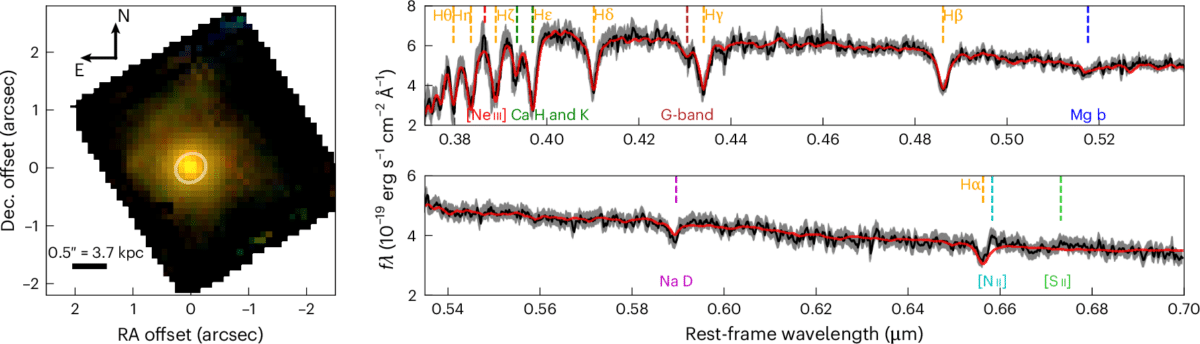
Unlike the orderly rotation typical in most known galaxies, XMM-VID1-2075 exhibits an irregular pattern of motion that surprises scientists studying early cosmic structures.
What Causes This Galaxy's Lack of Rotation?
This discovery raises the question: how did XMM-VID1-2075 become a slow rotator so early in cosmic history? Nearby slow rotators generally form from multiple galaxy mergers that disrupt their spin. However, Dr. Forrest proposes that this galaxy’s chaotic behavior might stem from a singular, high-impact collision between two galaxies moving in opposing directions.
“For this particular galaxy, we see a large excess of light off to the side. And so that’s suggestive of some other object which has come in and is interacting with the system and potentially changing its dynamics,” Dr. Forrest said this in the UC Davis statement.
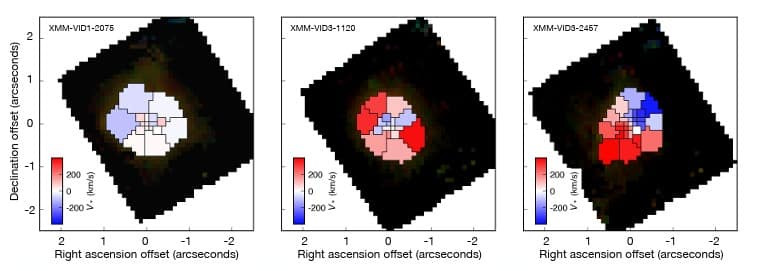
The galaxy’s strange light emissions support this idea, indicating an external disturbance affecting its movement. Instead of evolving through gradual mergers, this suggests a rapid and dramatic event reshaped its dynamics, potentially requiring a revision of galaxy development theories.
- Categories:
- Astronomy




0 comments
Sign in to Comment