
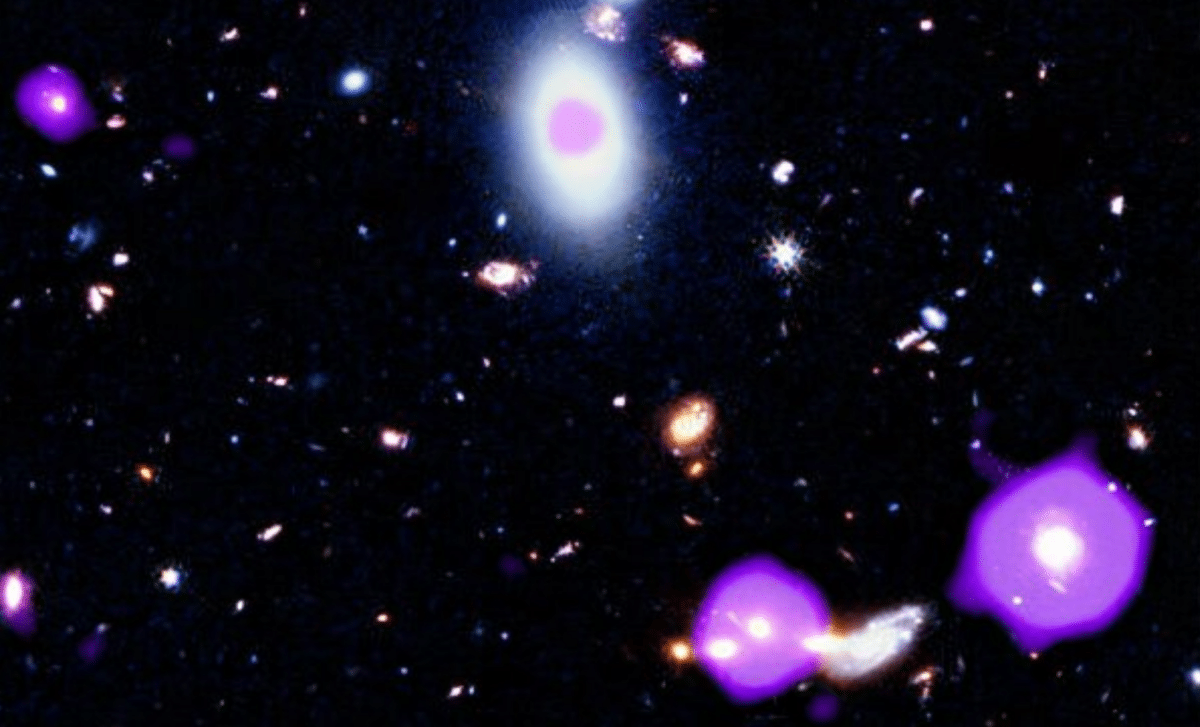
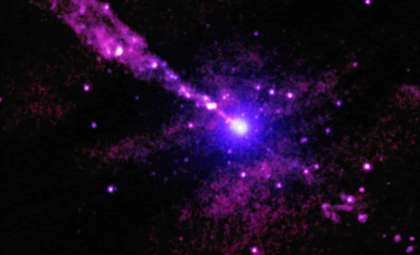
Researchers utilizing NASA’s Chandra X-ray Observatory have identified a profound change in the growth patterns of supermassive black holes, discovering that their once rapid accumulation of mass has drastically diminished over the last ten billion years. Published in The Astrophysical Journal, this study offers new insights into why these colossal cosmic entities appear to have drastically reduced their feeding frenzy.
Tracing a Gradual Decline Through X-Ray Observations
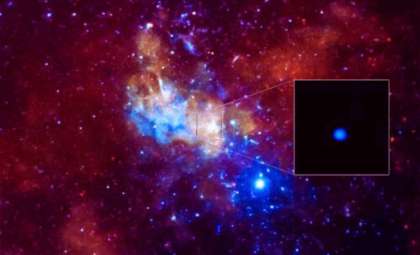
Through comprehensive X-ray data analysis, scientists tracked the evolution of supermassive black holes—ranging from millions to billions of solar masses—across a vast cosmic timeline. By examining the faint emissions from hot gas falling into these black holes, the team reconstructed a detailed history, revealing a sharp decrease in their activity.
During the universe’s infancy, black holes were voracious, rapidly consuming matter and powering luminous quasars that outshone entire galaxies. This chaotic early epoch stands in stark contrast to the present day, where most supermassive black holes exist in a subdued or nearly inactive state.

“Understanding the reason behind this dramatic slowdown has been a major challenge,” explained Zhibo Yu from Penn State University, the study’s lead author. “With the combination of X-ray and multi-wavelength data, we’re able to test various theories and edge closer to the answer.”
Published in The Astrophysical Journal, this research integrates multiple datasets to capture both the brightest and faintest black hole activities, providing an unprecedented, comprehensive view of this long-term decline.
Multi-Telescope Collaboration Unlocks New Insights
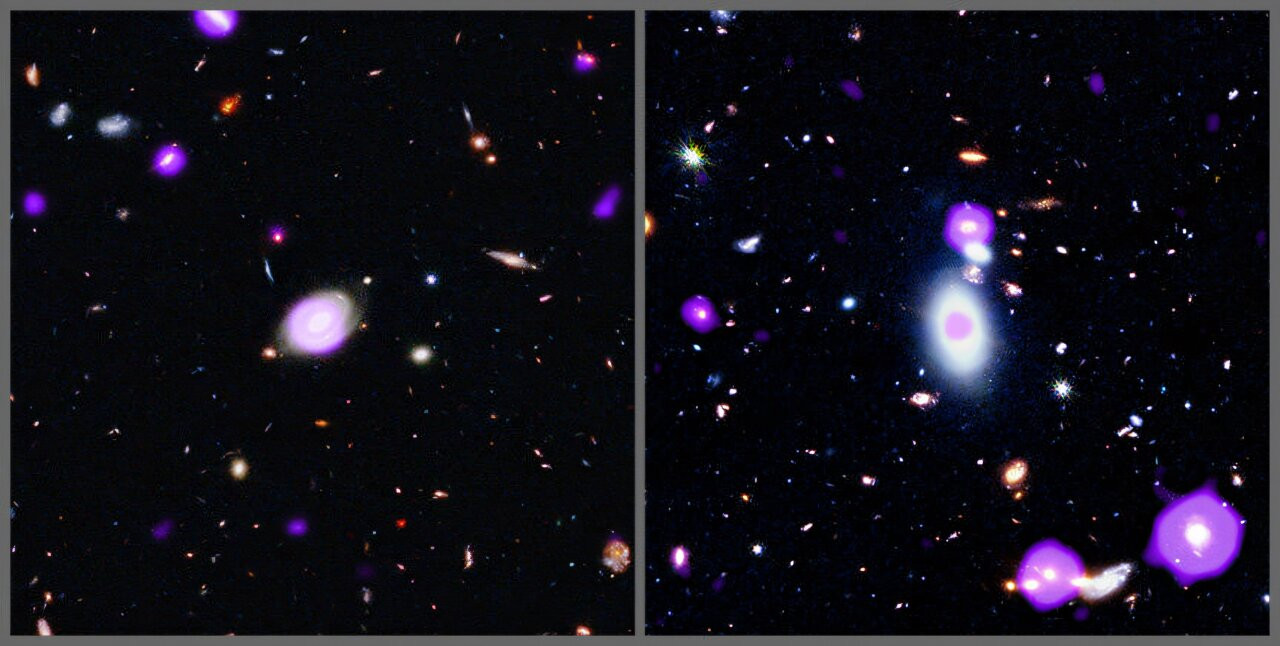
The study’s strength lies in combining observations from Chandra with data from other X-ray observatories, broadening the detection range to include a diverse array of black hole activities. This approach surpasses the capabilities of any single telescope.
This methodology allowed researchers to account for both the intensely active black holes and the far more common but faint ones typically missed, resulting in a balanced and nuanced understanding of black hole growth through cosmic epochs.
“By combining these data from different X-ray telescopes, we can construct a better picture of how these black holes are growing than any one telescope could do alone,” said co-author Fan Zou of the University of Michigan. “We can find out why over ten billion years the growth of supermassive black holes has gone from hectic to leisurely to glacial.”
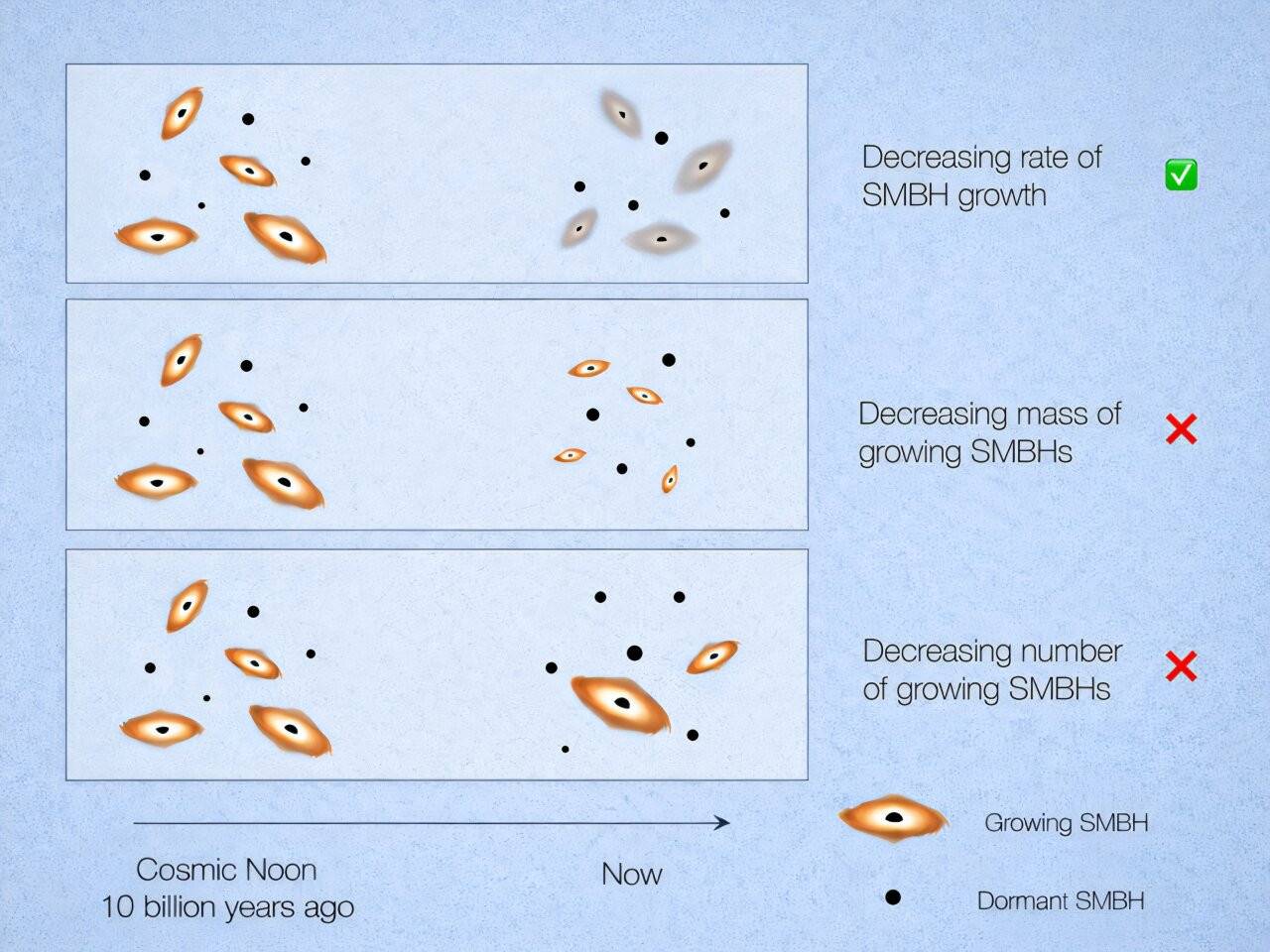
The term “glacial” aptly describes the near halt in black hole growth observed today. Current accretion rates are significantly lower than those seen in the early universe, indicating a fundamental transformation in galactic environments.
Exploring the Causes Behind the Diminished Black Hole Growth
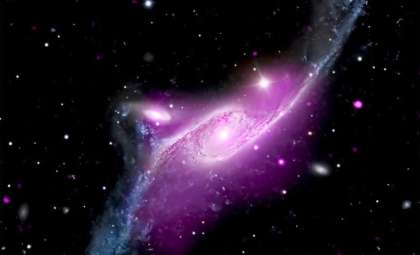
The results suggest several factors linked to the evolution of galaxies over cosmic time. Initially, galaxies contained abundant cold gas, the essential fuel for black hole growth. Frequent galaxy collisions and mergers drove this material toward central black holes, enabling rapid growth.
As the cosmos aged, the cold gas reservoirs were depleted. Star formation consumed much of this gas, while energetic phenomena such as stellar winds and black hole feedback likely heated or expelled the remaining fuel. Consequently, less material was available for black holes to consume.
Additionally, the stabilization of galactic structures curtailed the disruptive events that funneled gas inward, resulting in a quieter growth phase for black holes.
Rather than pinpointing a single cause, the study narrows down the possible explanations, advancing understanding of this cosmic phenomenon.
Insights Into the Broader Evolution of the Universe
Grasping how black holes grow is crucial not only for studying these enigmatic objects, but also for understanding galaxies and cosmic structure on the largest scales. Supermassive black holes impact their host galaxies through intense energy outputs, influencing star formation and galactic behavior.
Charting the downturn in black hole growth sheds light on the transition of galaxies from turbulent, rapidly changing systems to the more orderly forms we observe today.
The findings underscore the value of long-duration, multi-wavelength studies in astrophysics, highlighting how observations across multiple instruments and timescales are essential to unraveling processes spanning billions of years.
With new advanced observatories, including next-generation X-ray and infrared telescopes, scientists anticipate refining this picture further, delving deeper into the universe’s infancy and exploring how the first black holes emerged before evolving into the subdued state seen now.
- Categories:
- Astronomy


0 comments
Sign in to Comment