

Beneath centuries of overlying religious manuscripts, scientists have unveiled fragments of the oldest known star catalog. Utilizing advanced X-ray imaging, they recovered faint traces from a 1,500-year-old document where ink had been erased and overwritten.
Hipparchus, the pioneering astronomer from over two millennia ago, meticulously charted the celestial sphere through naked-eye observations. Although his contributions were lost to time, breakthroughs in imaging technology have now revealed parts of his stellar map once again, highlighting the precision of early astronomical observations.
Hidden Star Coordinates Beneath Six Inked Layers
Prior knowledge of Hipparchus’ celestial chart primarily came from indirect sources and artistic representations like the Farnese Atlas, an ancient Roman sculpture depicting constellations on a globe. The precise star measurements themselves were thought to be lost.

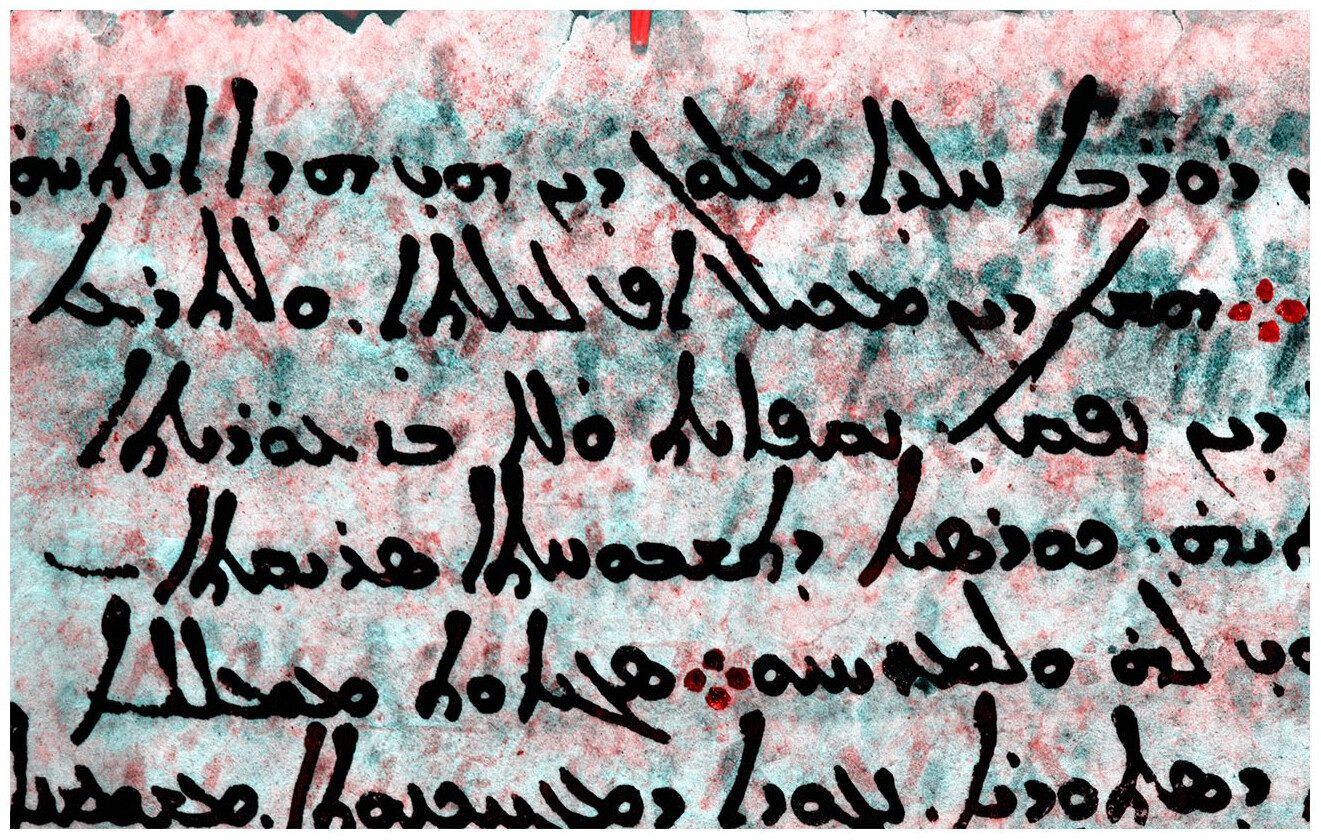
That changed when scholars identified fragments of archaic Greek script on a palimpsest, a manuscript where original text had been scraped away and reused. Under the leadership of Victor Gysembergh from Sorbonne University, the team pursued further analysis.
Their findings were detailed in the Journal for the History of Astronomy, where they describe employing X-ray beams from the SLAC National Accelerator Laboratory to detect erased markings. The key was that Hipparchus’ ink contained distinct chemical properties, making it distinguishable from the later religious texts during the scans.
Advanced Physics Illuminates Lost Writings
The delicate manuscript, preserved at the Museum of the Bible in Washington, D.C., was transported under highly controlled conditions for examination. Scientists performed scans across 11 folios using ultra-short, ten-millisecond X-ray flashes, finely focused to a diameter comparable to a single human hair.
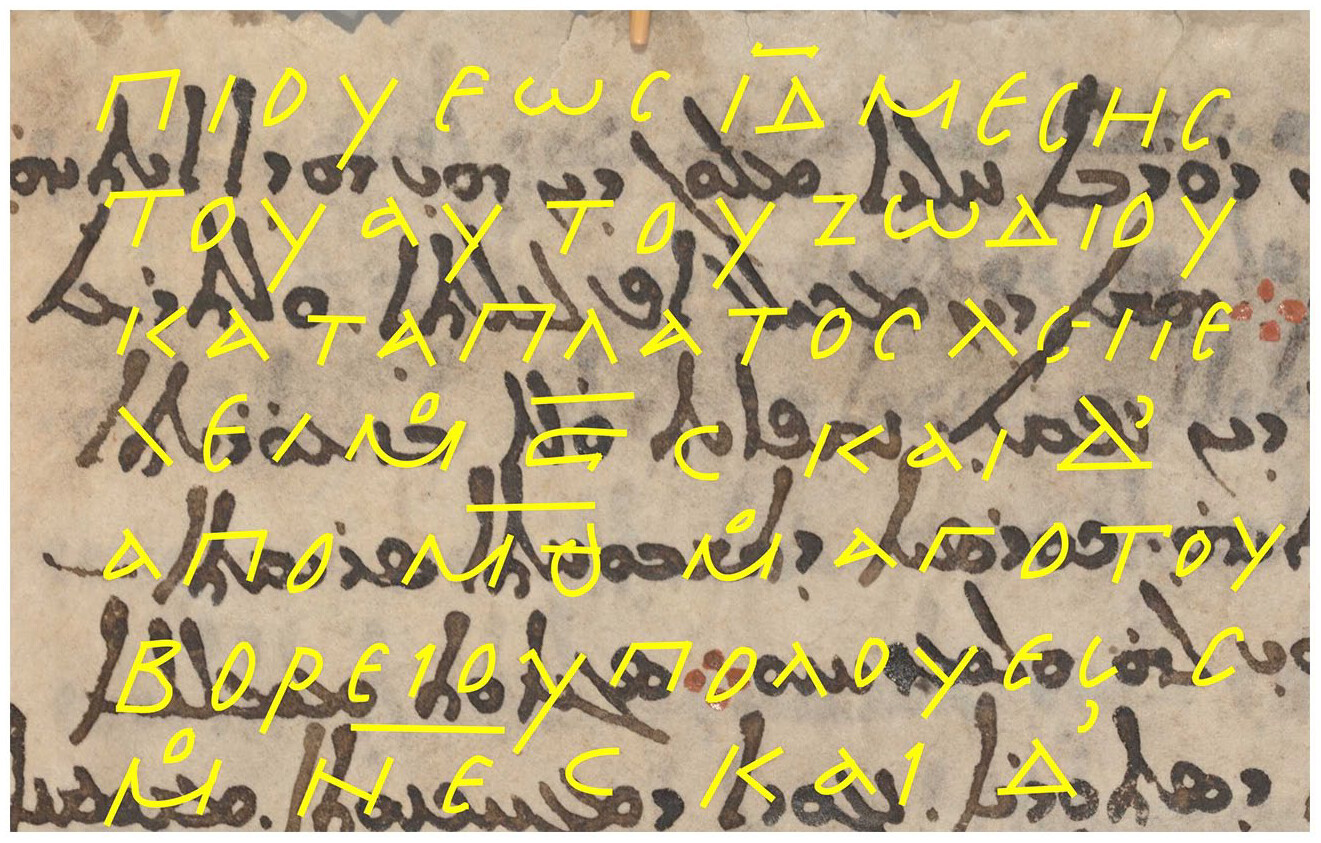
As the data were processed, the erased Greek characters became visible on the displays. Reports from Popular Mechanics note that the ink originally used by Hipparchus was rich in calcium, enabling researchers to isolate it from subsequent writings and reclaim star coordinates that date back more than 2,000 years.
Mapping the Sky with the Naked Eye
Recognized as the founder of astronomy, Hipparchus made seminal discoveries without telescopes, identifying the shifting of the equinoxes, establishing a system to grade star brightness with a magnitude scale, and tracking planetary paths. These recovered positions offer a historical glance at how ancient civilizations interpreted the cosmos.
“The goal is to recover as many of these coordinates as possible,” said Gysembergh, “And this will help us answer some of the biggest questions on the birth of science […] because the coordinates we are finding are incredibly accurate for something that is done with the naked eye.”
The Codex Climaci Rescriptus, a compilation of ten older texts written originally in Greek and Aramaic, was later overwritten in Syriac with the religious works of Saint John Climacus. This layering process nearly erased Hipparchus’ contributions forever. However, blending state-of-the-art scanning and meticulous research has finally brought one of humanity’s earliest celestial maps back into view.
- Categories:
- Space













0 comments
Sign in to Comment