
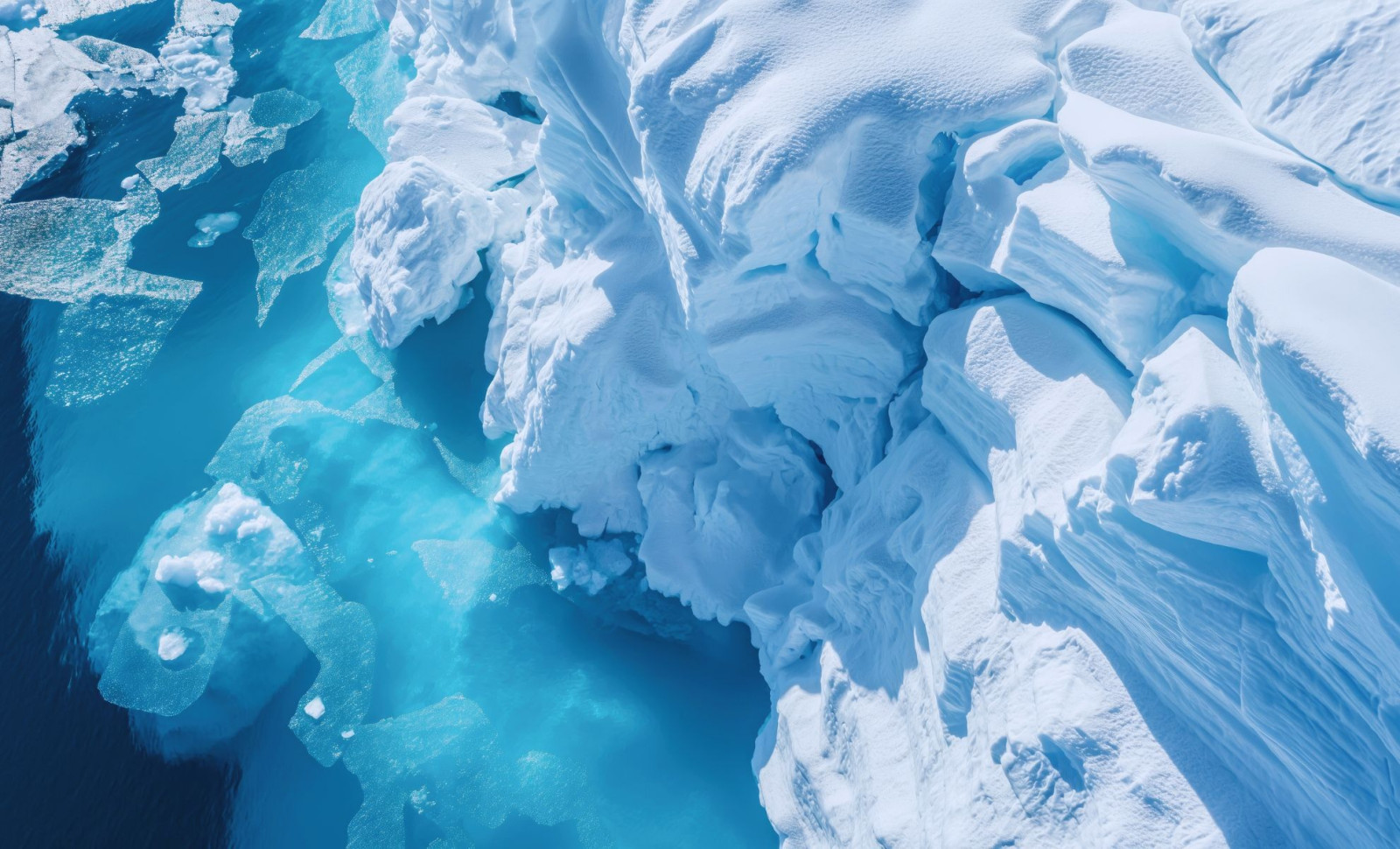
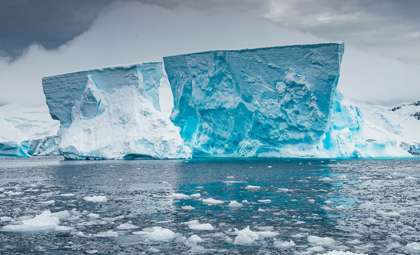
Long-term research reveals Antarctica has shed 12,820 square kilometers of grounded ice between 1996 and 2025. While Antarctica has typically seemed more stable than the rapidly thawing Arctic, satellite data now shows that specific areas on the southern continent are experiencing significant transformation, even as much of the ice sheet remains mostly intact.
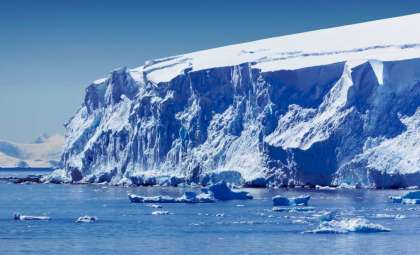
Scientists closely monitor the grounding line, where glaciers move from land-based ice to floating ice shelves over the ocean. Changes along this crucial boundary provide key insights into glacier stability and potential future shifts.
Tracking Ice Retreat Over Three Decades
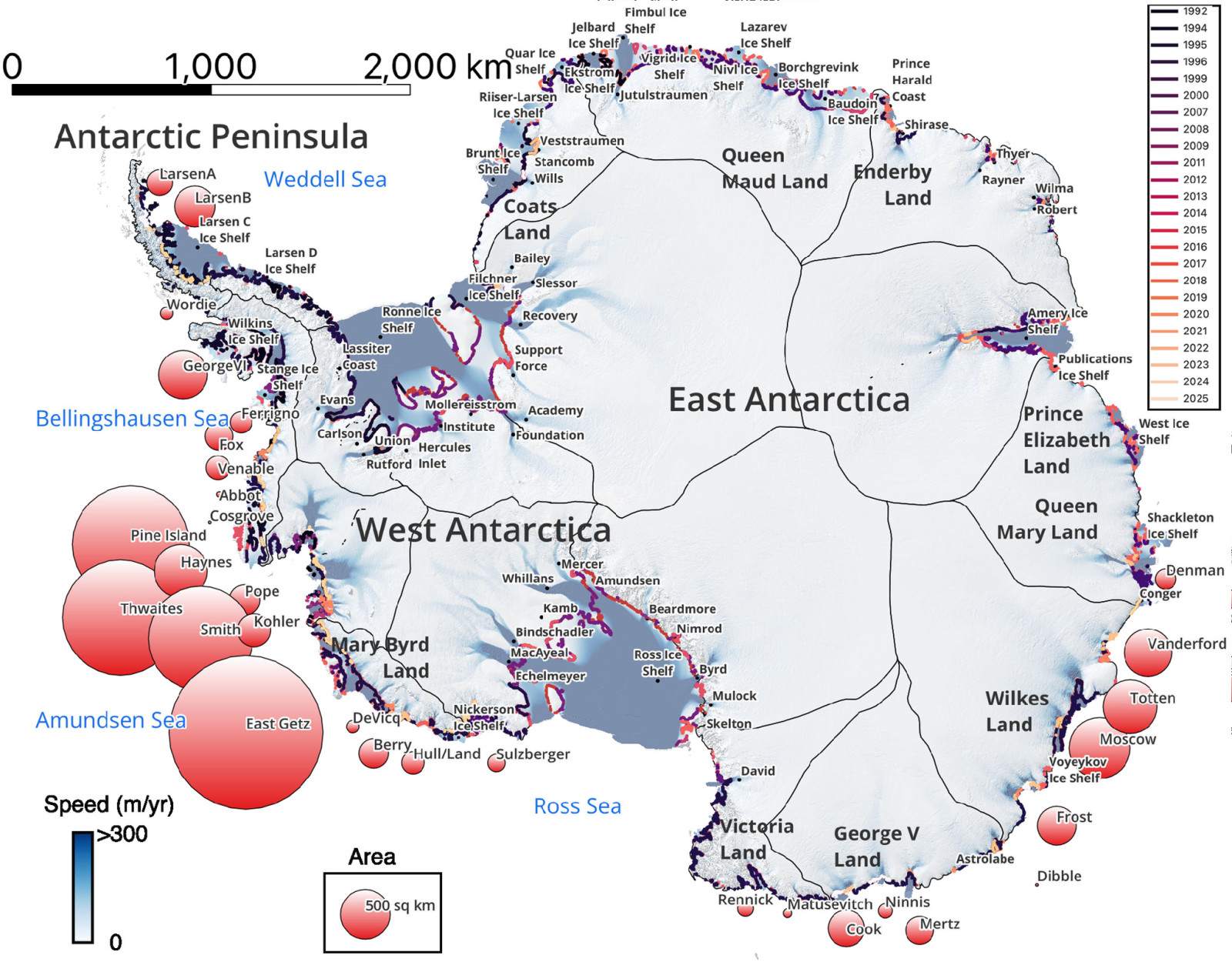
By examining satellite radar imagery gathered over nearly 30 years, researchers charted the movement of Antarctica’s grounding line. Their findings reported a loss of 12,820 square kilometers of grounded ice between 1996 and 2025.

This area, detailed in a paper published by Proceedings of the National Academy of Sciences, is roughly ten times the size of Greater Los Angeles. During this period, the grounding line retracted at an average pace of 442 square kilometers annually.
The analysis also revealed that 77 percent of Antarctica’s grounding line remained stable throughout the timeframe. As Professor Eric Rignot from the University of California mentioned in an ESA release:
“As satellite observation capabilities continue to expand, we are looking forward to learning more about the dynamics of these systems so we can better project how they influence sea-level rise in the future.”
Significant Glacier Pullbacks in West Antarctica
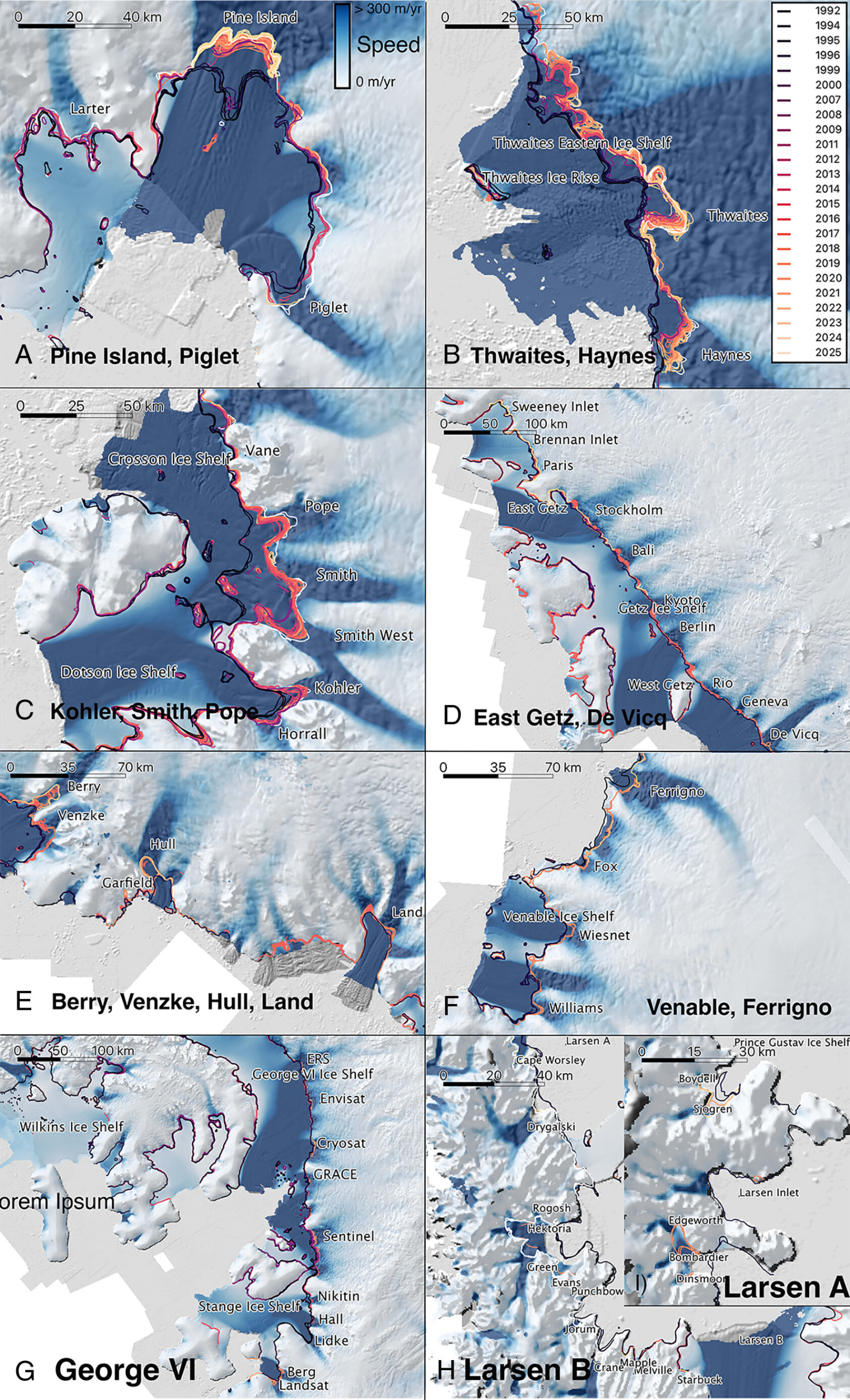
The largest changes were noted in West Antarctica, where multiple glaciers have pulled back by tens of kilometers. The study highlighted Smith Glacier as the most dramatically affected, retreating by 42 kilometers.
Additional glaciers exhibited notable shifts. The Pine Island Glacier withdrew by 33 kilometers, and the Thwaites Glacier retracted inland by 26 kilometers. Substantial retreats nearing 40 kilometers were also recorded in the Amundsen Sea and Getz sectors.
These glacier complexes are critical as they drain extensive portions of the West Antarctic Ice Sheet.
The Influence of Warm Ocean Currents
Researchers link much of the observed glacier pullbacks to warm ocean water flowing beneath the ice. Winds can drive warmer waters toward Antarctica’s coastline, enabling intrusion under ice shelves and destabilizing grounding lines.
Eric Rignot explained that these effects are not uniform across the continent, likening it to a "balloon that’s not punctured everywhere, but where it is punctured, it’s punctured deep."
Data for the study came from satellite missions led by the European Space Agency, Canada, Japan, Italy, and Argentina, allowing for unprecedented long-term mapping of grounding line dynamics.
A key question remains unanswered: why has much of Antarctica stayed relatively stable while other sectors retreat quickly? As Rignot pointed out, the current stability might be a fortunate circumstance; a widespread retreat could trigger far more severe impacts.
- Categories:
- Science

0 comments
Sign in to Comment