
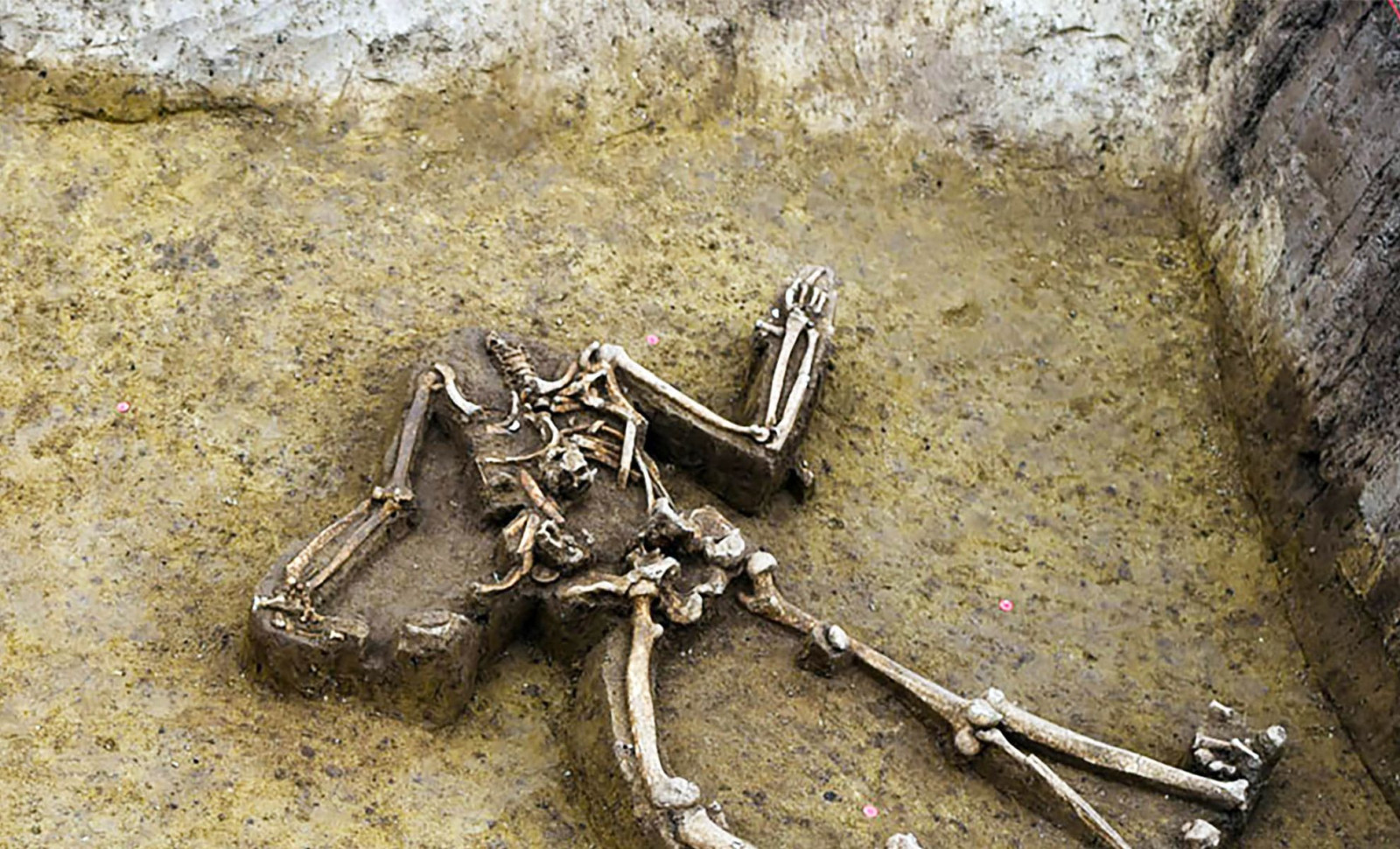
At a site dating back 7,000 years in modern-day Slovakia, researchers uncovered a pit containing numerous human remains, with almost all skeletons missing their heads.
This unusual find sparked debates about whether it represented a violent episode, such as a massacre, or pointed to more complex cultural practices. By analyzing the placement, preservation, and condition of the remains, experts began to unravel a more intricate story.
Situated at Vráble, a key settlement associated with the Linear Pottery culture (LBK), this location has been explored since 2012 by teams from the Slovak Academy of Sciences and Kiel University. The latest research offers valuable insights into how early European farming societies treated their dead.

Discovery of Nearly 80 Buried Individuals
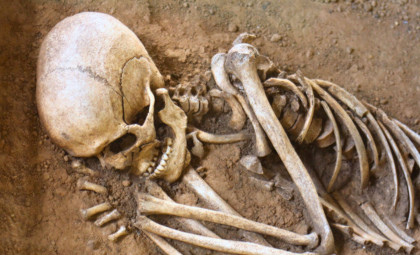
Ongoing excavations since 2022 have brought to light the remains of at least 78 individuals deposited near a break in the settlement’s ditch system. As detailed in the Proceedings of the Prehistoric Society, 77 of these skeletons lacked their skulls, with only one child retained with its head intact. The remains appeared scattered in various orientations without a clear arrangement.
The broader Vráble settlement is among the largest known LBK sites, containing outlines of over 300 houses across three districts, with estimates suggesting that as many as 80 homes were occupied simultaneously. The community thrived between approximately 5250 and 4950 BCE.
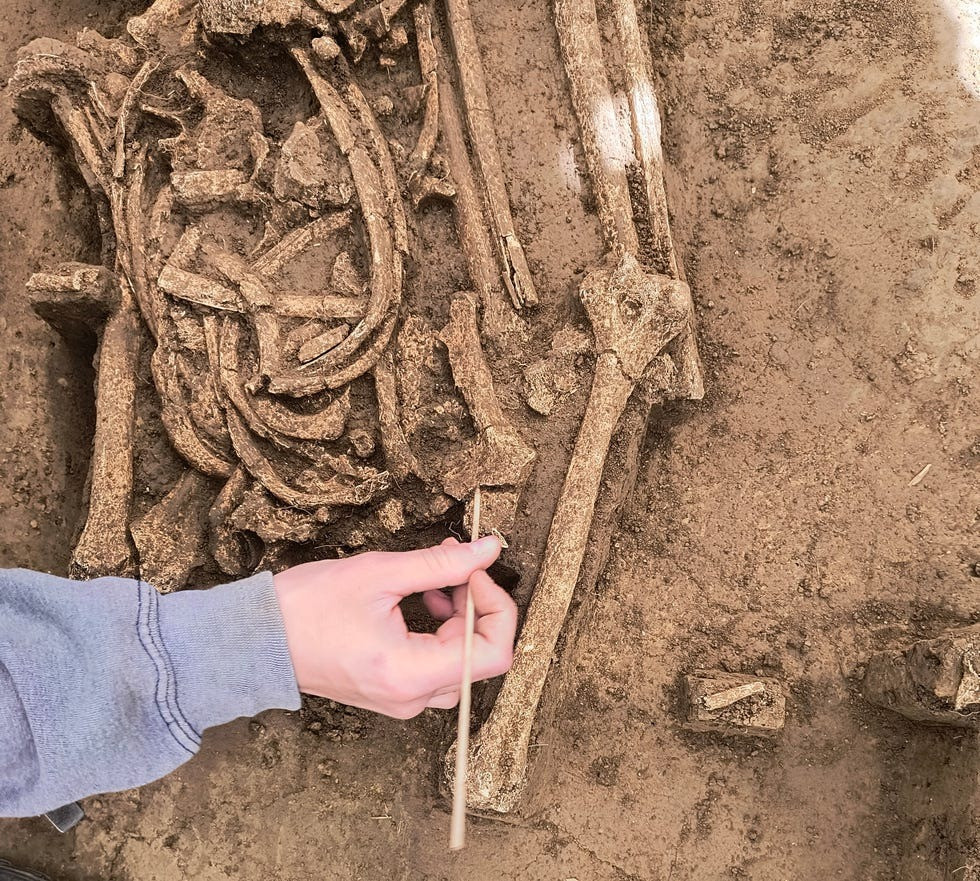
Indicators suggest the bodies were buried shortly after death, implying they were not left exposed for extended periods prior to internment.
Signs of Deliberate Postmortem Rituals
Although the absence of heads initially suggested violent causes, no signs of mass executions or traumatic decapitation were detected.
“The features clearly exhibit an intentional manipulation of the bodies,” Dr. Katharina Fuchs, a biological anthropologist at Kiel University and co-author of the research, noted in a statement.
Fuchs elaborated that the skulls appear to have been removed with care and precision, supporting the view that postmortem handling rather than forced decapitation was involved.
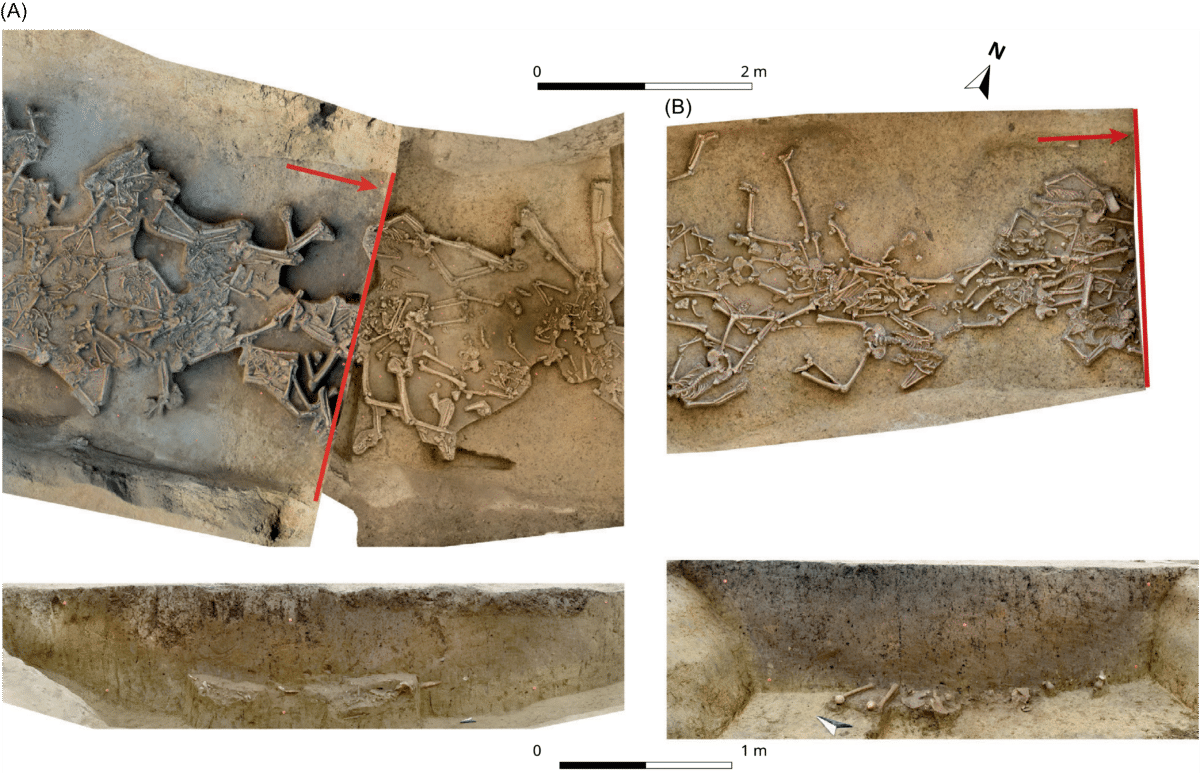
The reasons behind these practices remain uncertain. The team considers the possibility that heads were separated and stored apart, a ritual noted at other prehistoric locations though not yet directly proven here. Alteration of human remains in prehistoric contexts is not uncommon. Various LBK sites show different traditions involving such treatment.
Reevaluating the Interpretation
Findings of manipulated deposits and mass burials at late LBK sites have traditionally been linked to conflict or societal collapse, but the Vráble evidence is prompting a reassessment.
Dr. Nils Müller-Scheeßel proposes that these skeletal arrangements may have been recurring social rituals with deep cultural significance, rather than indications of a one-time crisis. Professor Martin Furholt, the lead author of the study, warns that modern interpretations might obscure understanding of these ancient behaviors.
“The first results already show that Vráble is an exceptional excavation site,” said Furholt. “It provides us with the keys for the discussion of fundamental questions, for example, how were death and the body understood in the Neolithic and what role did the associated practices play in the social fabric of early farming societies?”
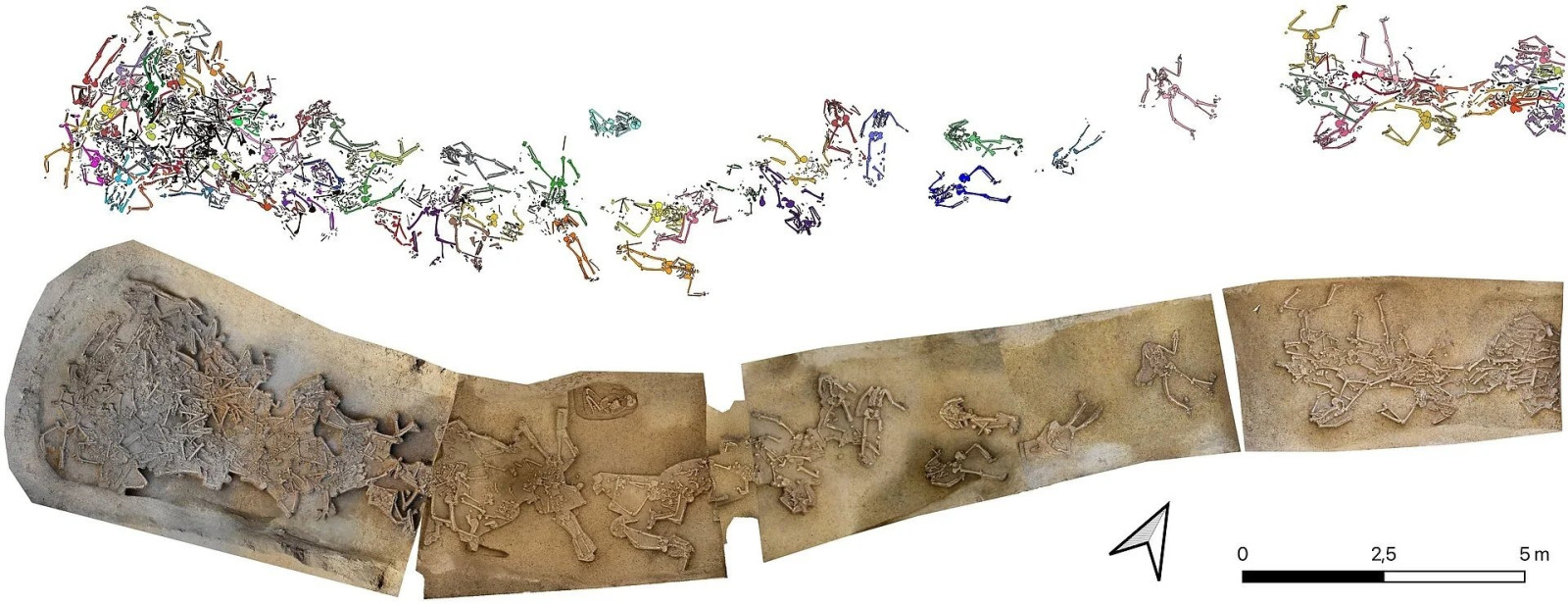
Ongoing research through the “Neolithic Bodies” project includes sorting bones by age and sex, analyzing cut marks on cervical vertebrae, and conducting DNA and isotope tests. These analyses aim to reveal connections related to lineage, diet, and migration origins.
- Categories:
- News


0 comments
Sign in to Comment