
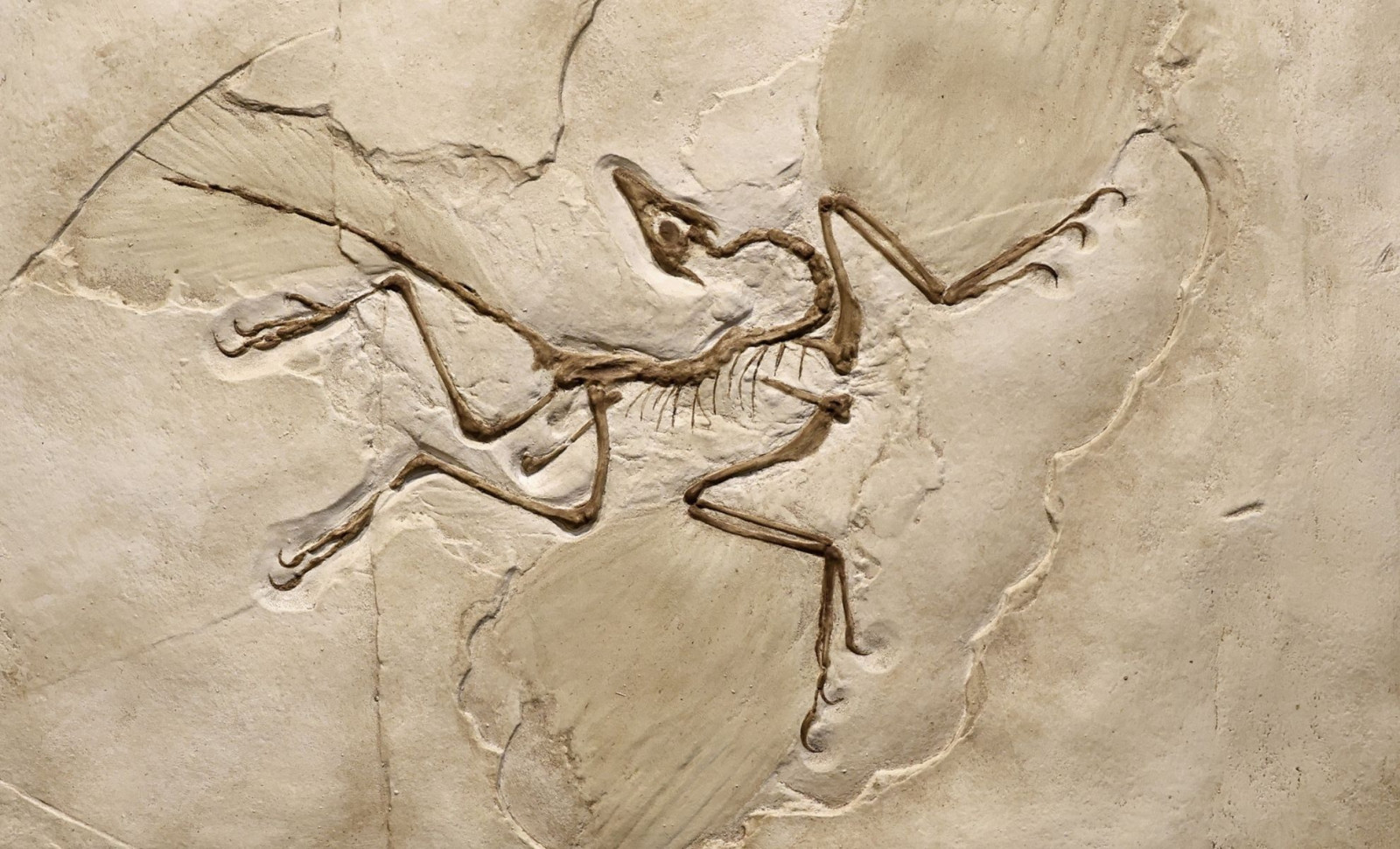
A small feathered dinosaur dating back approximately 120 million years, uncovered in northeastern China, is shedding light on a crucial phase of dinosaur evolution. This exceptionally intact fossil, retrieved from one of the world's richest fossil sites, exhibits a rare mix of characteristics seldom observed together in one species.
Found within the famous Jiufotang Formation located in Liaoning Province, the specimen includes a nearly complete skeleton alongside well-preserved feather imprints. Paleontologist Dr. Xing Xu of the Chinese Academy of Sciences formally described the new species, Changzhousaurus sinensis, adding to the list of feathered dinosaurs unveiled in northeastern China.
This fossil displays multiple distinctive traits that differentiate it from closely related species, providing valuable insights into the early evolution of bird-like dinosaurs.

Small Size, Big Evolutionary Significance
Measuring only about 34 centimeters (13 inches), Changzhousaurus sinensis was a notably miniature dinosaur. Its anatomy reflects a blend of features seen throughout various branches of the bird-like dinosaur lineage.
Based on Dr. Xing Xu's research, the species likely represents an early branch of the deinonychosaur family, which includes dromaeosaurs and troodontids. These belong to the larger Pennaraptora clade, encompassing avialans along with several other feathered dinosaur groups.
“Pennaraptora comprises several recently discovered small clades (e.g., Unenlagiinae, Microraptorinae, Scansoriopterygidae, Anchiornithinae, and Halszkaraptorinae) as well as four long-recognized major groups (i.e., Oviraptorosauria, Dromaeosauridae, Troodontidae, and Avialae),” he added.
This find comes as scientists continue to clarify connections among these dinosaur groups. Published in the journal Vertebrata PalAsiatica, the study emphasizes how fossil discoveries from the past three decades have broadened our understanding of pennaraptoran diversity, revealing feathered dinosaurs with a wide variety of forms, behaviors, and adaptations.
A Remarkable Tail That Draws Attention
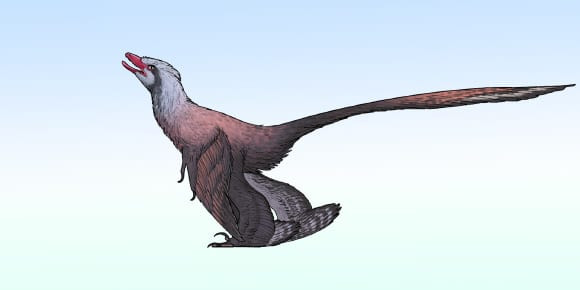
The standout characteristic of Changzhousaurus sinensis is its tail. Researchers identified approximately 16 elongated tail feathers significantly longer than typical for dinosaurs of its size.
The paper notes these feathers extended to lengths nearly four times that of the femur, a proportion exceeding known examples and resembling the flashy tail feathers of a peacock in appearance.
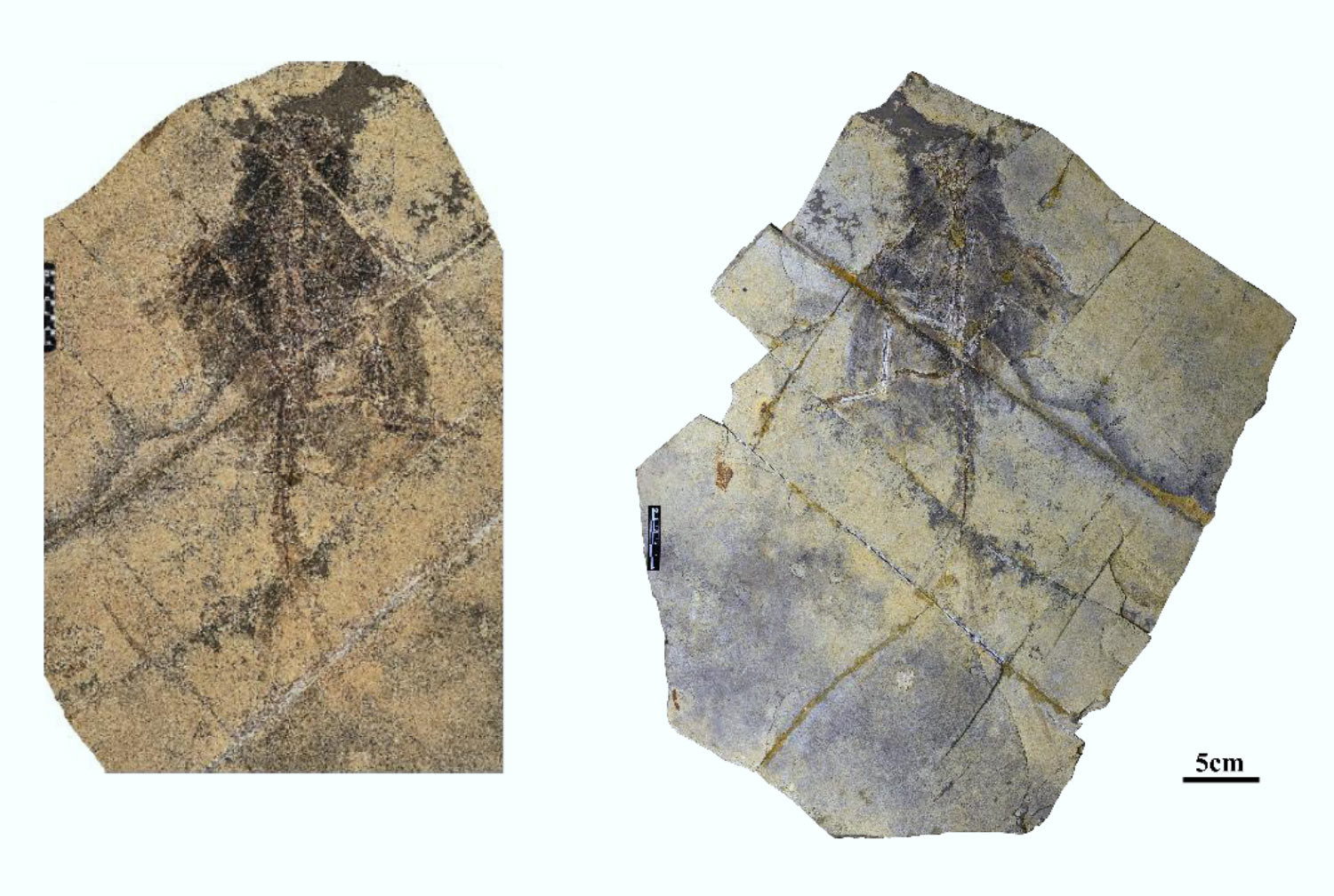
The fossil's exceptional preservation—found across both slab and counterslab—includes an almost intact skeleton with detailed feather impressions, enabling in-depth analysis of the tail feathers.
Large Wings and Evidence of Four-Winged Anatomy
In addition to its tail, the dinosaur featured exceptionally large wings for its diminutive size. According to Dr. Xu's research, the primary flight feathers measured around 12 centimeters (4.7 inches), larger proportionally than those in other known non-avian pennaraptorans, indicating that feather size and arm length may have evolved independently.
Notably, thick feathers were also present on the feet, supporting evidence of a four-winged body plan among some bird-like dinosaurs, where both the forelimbs and hindlimbs were adorned with feathers.
“This discovery underscores the complexity of early pennaraptoran evolution and raises several conceptual and methodological issues in pennaraptoran research,” Dr. Xu wrote in the study.
Scientists continue to investigate various questions regarding pennaraptoran evolutionary relationships and how these creatures interacted with their environments.
- Categories:
- Science




0 comments
Sign in to Comment