
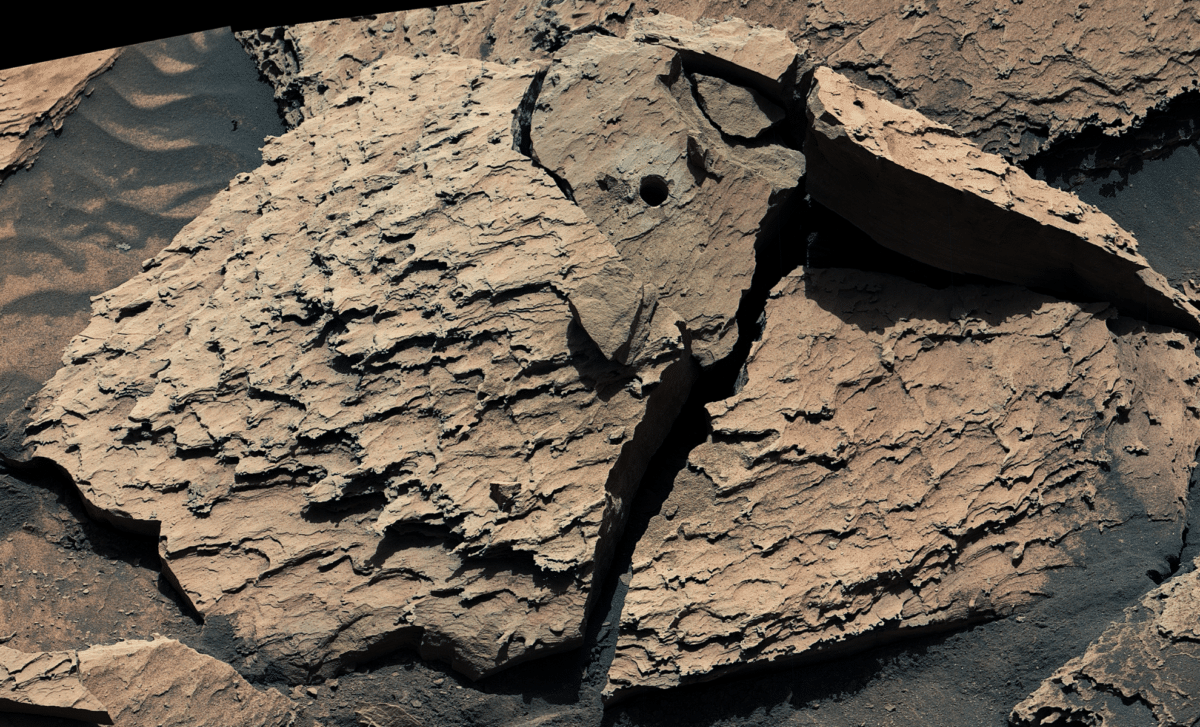
NASA's Curiosity rover recently faced an unexpected challenge when a sizable Martian rock became stuck on its drilling apparatus for multiple days. This event, verified by NASA, occurred on the slopes of Mount Sharp within Gale Crater, providing rare insight into the complexities of operating advanced machinery on another world. The rock, dubbed “Atacama,” adhered stubbornly to the end of Curiosity's robotic arm after a drilling session, prompting ground teams to carefully use a combination of arm movements and vibrations to dislodge the material. This episode not only yielded captivating new images but also showcased the rover's enduring resilience after more than ten years of Mars exploration.
The Stubborn Mars Rock That Refused Detachment
The complication arose on April 25, when Curiosity finished drilling into a target later named Atacama. Contrary to expectations, the rock stayed attached to the drilling tool at the arm’s tip instead of dropping away post-drilling, as reported by the Cosmo Herald. Mission engineers quickly recognized that this anomaly could jeopardize future scientific tasks if not addressed with precision.
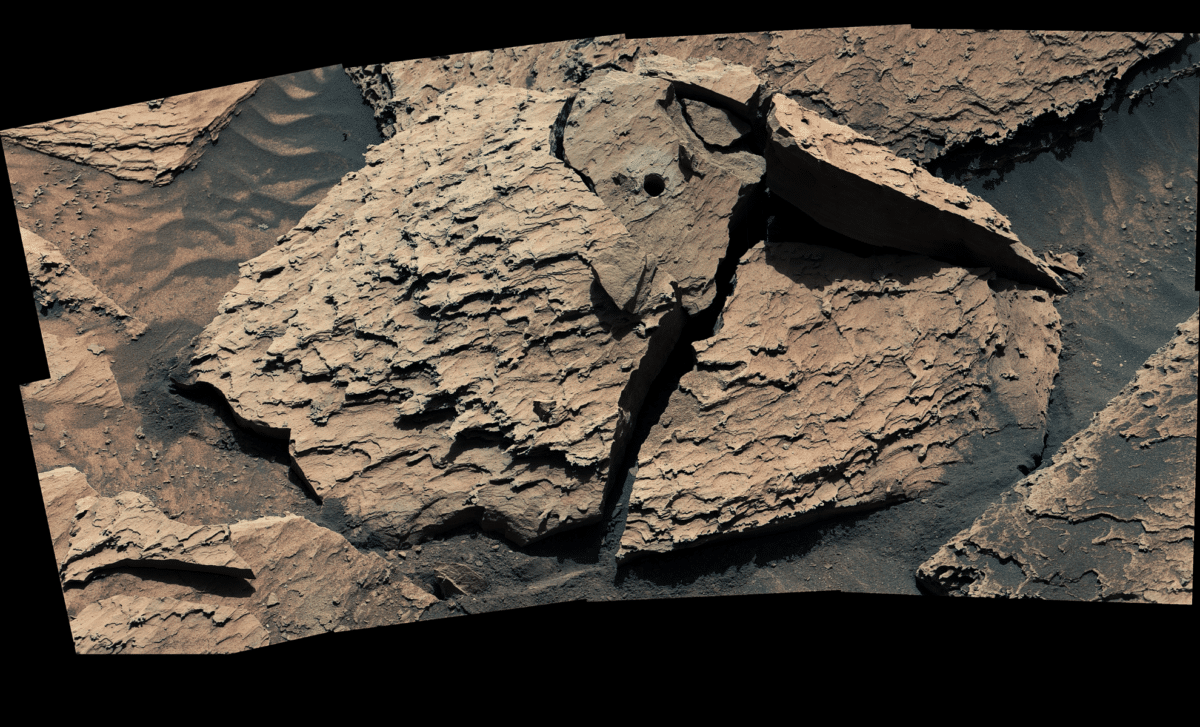
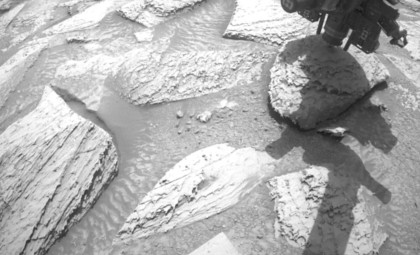
NASA detailed that Atacama was approximately 1.5 feet wide at its base and about 6 inches thick. While its weight on Earth would near 29 pounds, Mars’ lower gravity reduced this significantly. Released mission photographs revealed a circular drill indentation precisely in the middle of the detached rock. These images emphasized the sophistication of Curiosity’s drilling hardware and Mars’s formidable geological features. However, the rock's attachment posed operational concerns, as any obstruction near the drill assembly could hinder arm movement and sampling efforts.

Remote Engineering Efforts Restore Rover Functionality
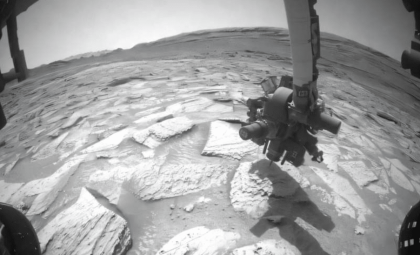
For several days, NASA’s Jet Propulsion Laboratory in California orchestrated a series of cautious recovery actions. Unlike terrestrial repairs, every procedure on Mars entails precise timing, thorough simulations, and overcoming signal delays spanning millions of miles. Engineers repositioned Curiosity’s robotic arm multiple times while activating drill vibrations in an attempt to free the rock without harming the rover itself.
The strategy paid off on May 1, when Atacama finally detached cleanly from the drill. NASA later confirmed that Curiosity remained in excellent condition, fully functional, and ready for further exploration. This event highlighted the rover’s remarkable design adaptability, enduring in harsh Martian environments—icy temperatures, pervasive dust, and rough terrain—for over a decade while successfully managing a rare mechanical challenge, all without direct human presence on the surface. Scientists continue to marvel at this durability as Curiosity advances further into areas rich with evidence of ancient Martian water.
Exceptional Images Captured by Mastcam Reveal Geological Details
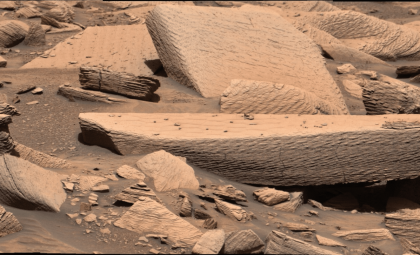
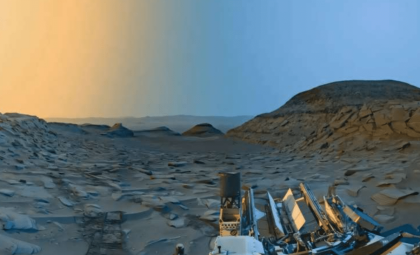
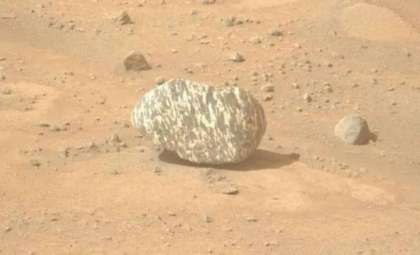
Following the rock's removal, Curiosity employed its Mastcam system to take high-resolution images of Atacama resting on the Martian ground. NASA released a mosaic created by combining eight individual shots transmitted back to Earth. Researchers adjusted the images’ color calibration to approximate natural daylight conditions on Earth, resulting in a clearer and more lifelike depiction of the landscape. The photos highlight intricate surface textures, fractured strata, and the precise drill hole made by the rover.
These stunning visuals also reinforce the scientific importance of drilling missions. Each extracted sample enables researchers to deepen their understanding of Mars’ mineralogy, climate evolution, and prior potential for life billions of years ago. Curiosity’s capacity to drill and analyze subsurface powdered rock has been a cornerstone of its scientific achievements. The Atacama episode transformed what might have been a routine task into a memorable moment in the mission's continuing journey.
- Categories:
- Nasa





0 comments
Sign in to Comment