
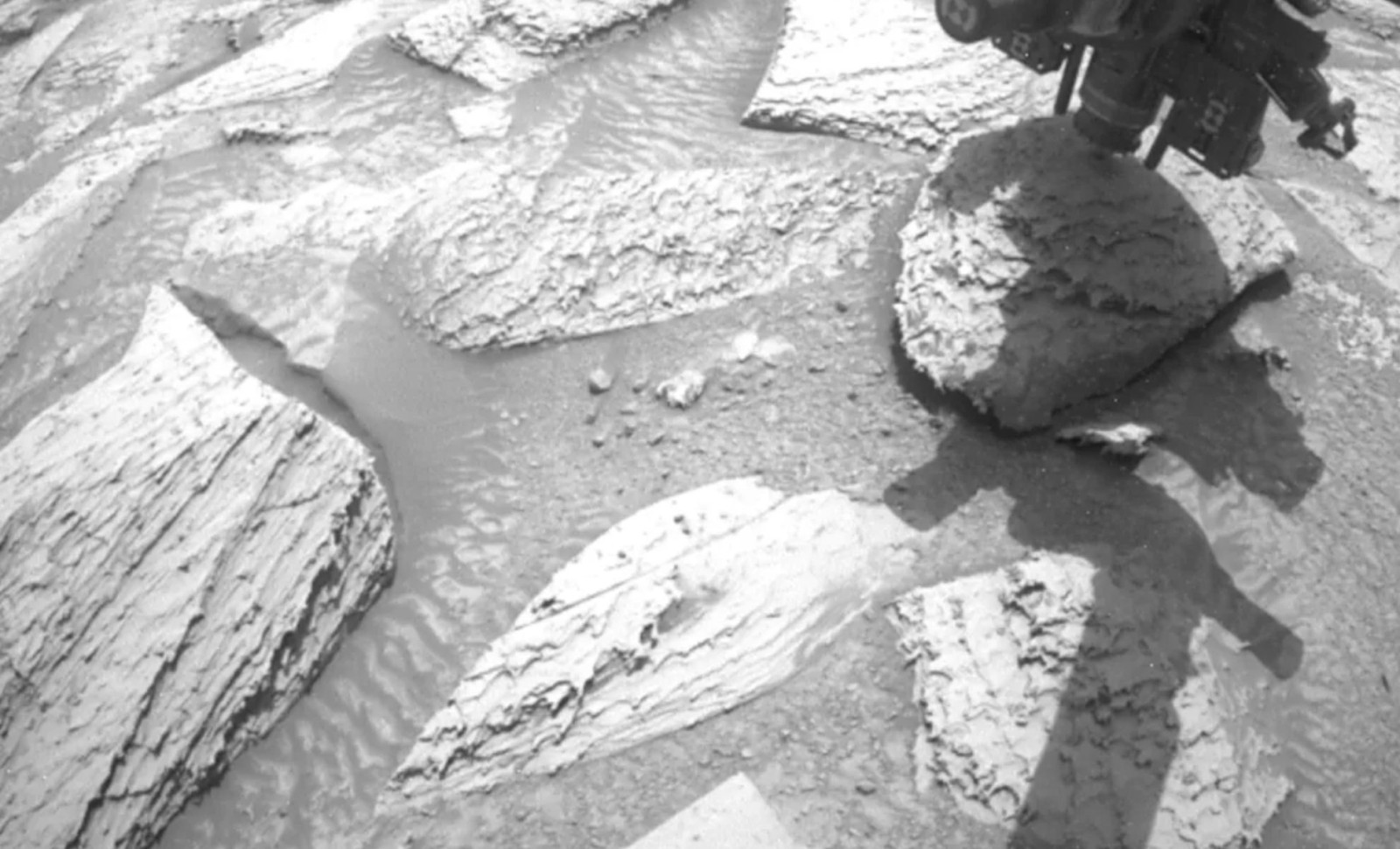
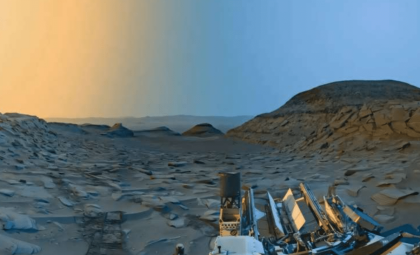
A recent time-lapse video from NASA’s Curiosity rover provides an extraordinary look at how six years spent traversing Mars have shaped the rover. Spanning 2020 to 2026, the footage highlights the rover’s remarkable resilience as well as the wear inflicted by the rugged Martian landscape. Additionally, this visual record enables scientists to observe how dust and sand move on and around the rover, influenced by Martian winds and seasonal atmospheric shifts.
Since its touchdown in Gale Crater in 2012, Curiosity has journeyed over 20 miles (32 kilometers), exploring ancient environments that might once have been hospitable to microbial life. The mission, originally planned for just two years, has far exceeded expectations, with the damaged wheels now chronicling its extended expedition.
Time-Lapse Captures Endurance Across Challenging Martian Terrain
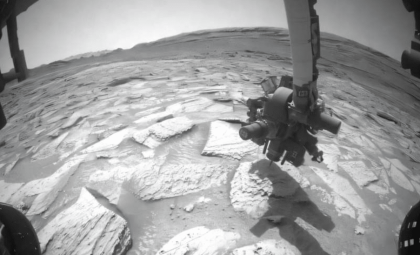
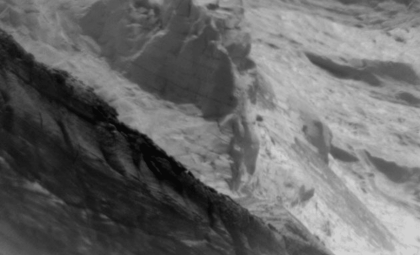
This two-minute sequence captures Curiosity steadily navigating sharp rocks, loose stones, and fine red dust. The rover’s navigation camera recorded these scenes routinely, not to produce cinematic footage but to collect essential operational data.

NASA explains that the video helps researchers differentiate between sand displaced by the rover’s movement and dust moved by the planet’s winds.
“Distinguishing between sand jostled by each drive and wind gusts can provide new information about seasonal changes in the atmosphere.”
This footage offers a rare, long-duration perspective rarely available in space exploration. While orbiters typically capture aerial views of Mars, this time-lapse reveals firsthand environmental shifts on the planet’s surface over several years.
Curiosity’s Wheels Document Long-Term Surface Wear
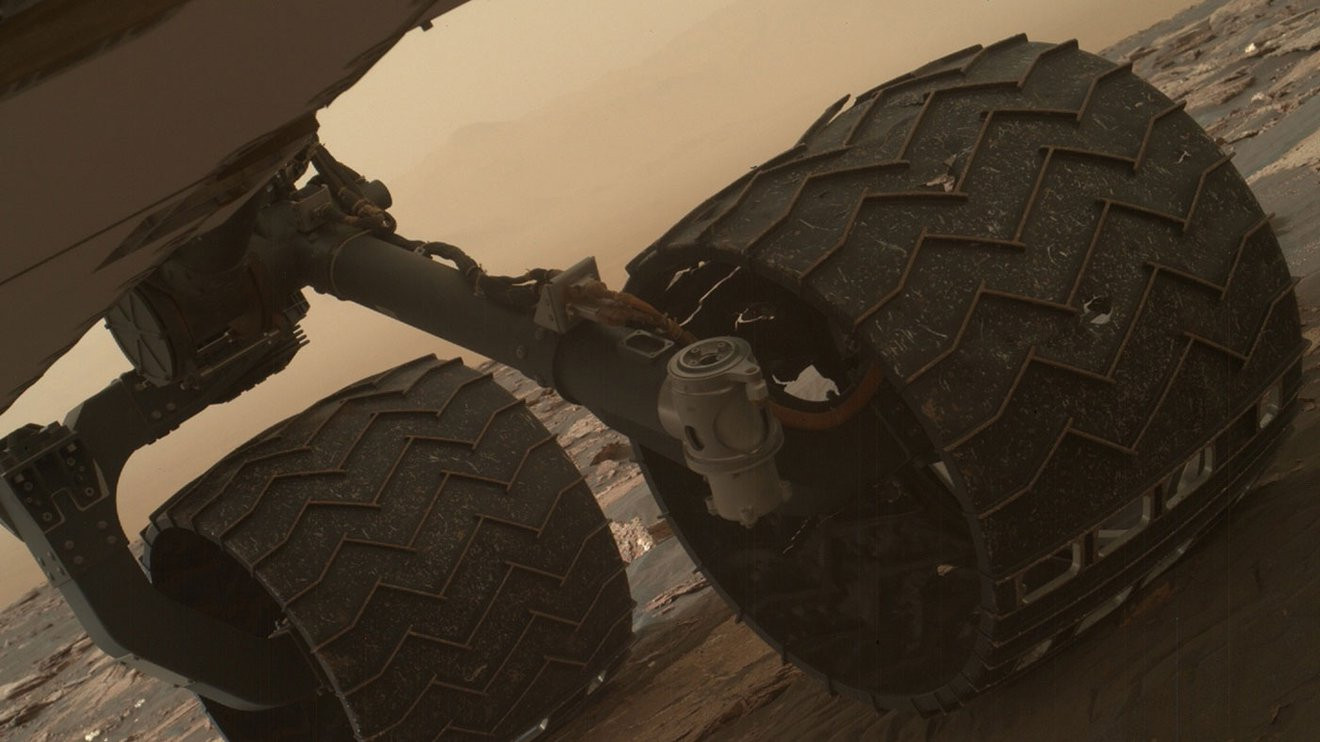
The rover’s wheels, each measuring around 20 inches (50 centimeters) in diameter, were built to withstand uneven terrain and sharp rocks. Still, engineers observed early signs of punctures and tears shortly after landing.
NASA/JPL released images over the mission's duration showing growing damage, including dents, holes, and deep gashes on the thin aluminum wheel surfaces. Photos from 2024 reveal new damage alongside older marks.
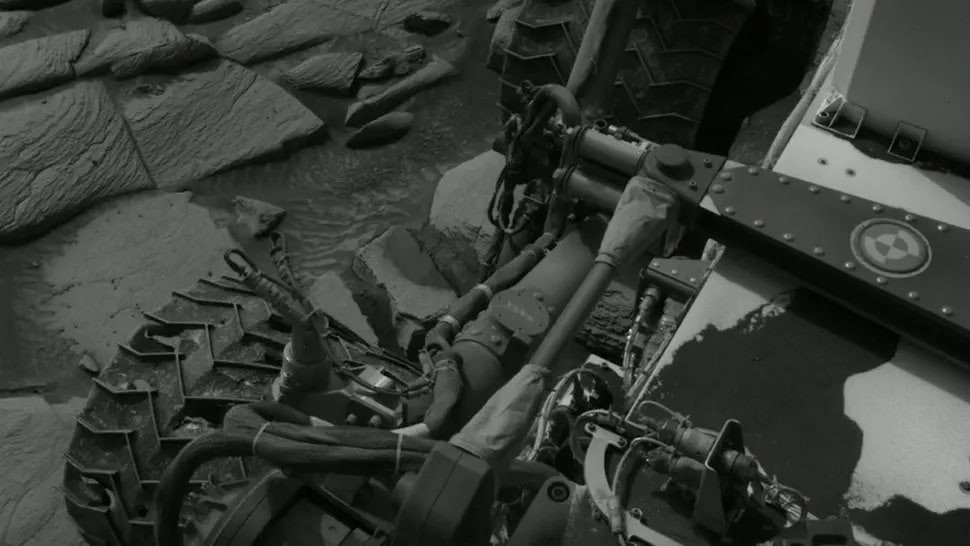
Despite the extensive damage, the rover continues its mission. Engineers have modified driving tactics to avoid particularly treacherous terrain, choosing paths that minimize further harm to the wheels.
Insights gained from Curiosity’s experience have directly influenced the design of the newer Perseverance rover, which features strengthened wheels better suited for Mars’ challenging surface.
An Ongoing Mission Defying Expectations
This time-lapse underscores the extraordinary durability of the rover far beyond its initial two-year mission. Since arriving in Gale Crater in 2012, Curiosity has ascended Mount Sharp, examining ancient sediment layers deposited billions of years ago.
The rover’s findings have shifted our understanding of Martian history. It confirmed that Gale Crater once hosted environments capable of sustaining long-standing lakes, which could have supported microbial organisms. More recently, it detected increasingly complex organic compounds within rock samples. According to NASA reports, these discoveries remain among the strongest indicators that the Red Planet might have been habitable long ago.
- Categories:
- Nasa





0 comments
Sign in to Comment