
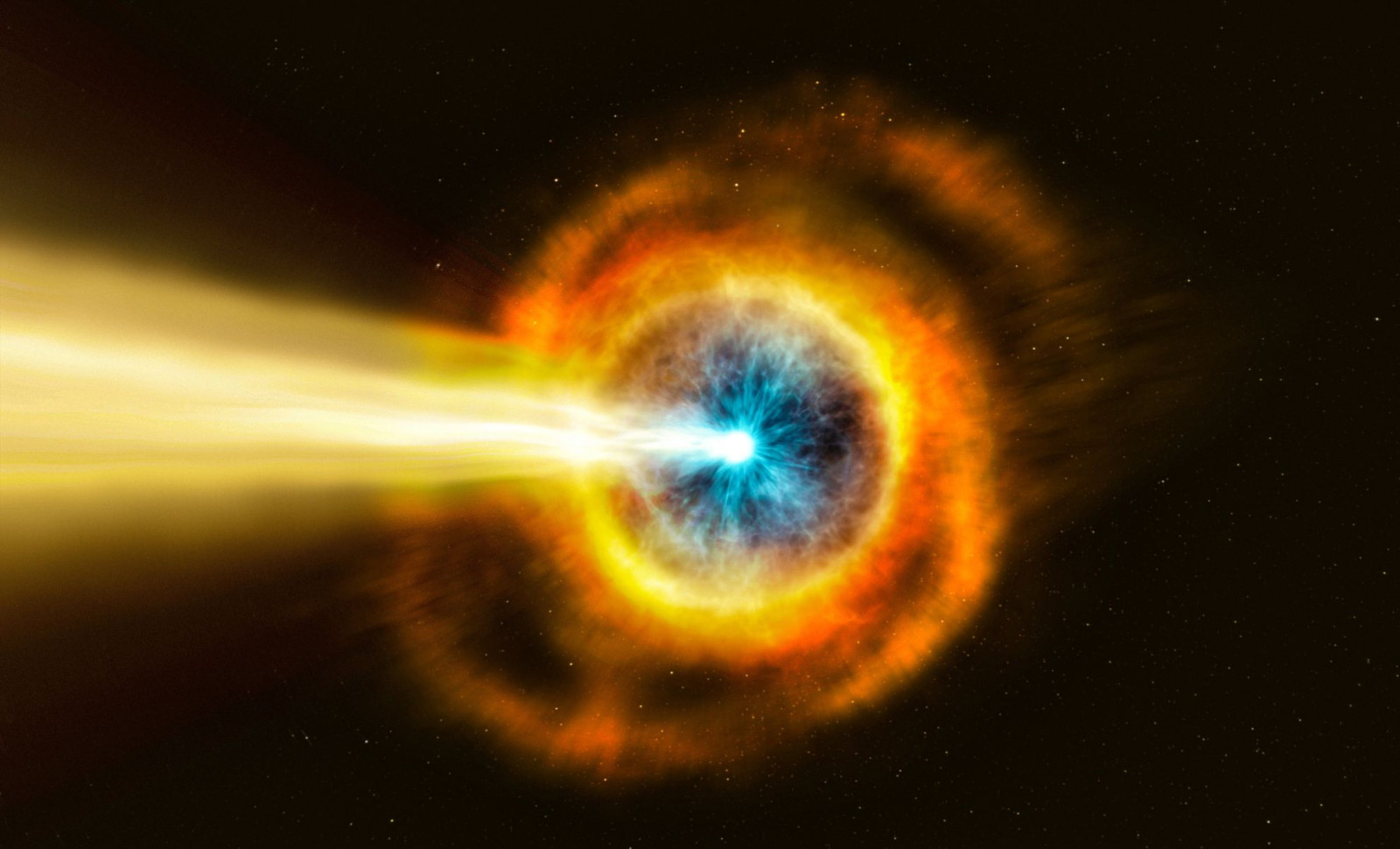
Astronomers may have captured the first-ever glimpse of a unique stellar explosion known as a “dirty fireball.” This breakthrough comes from the detection of a powerful X-ray burst by the Einstein Probe telescope.
Massive stars, far larger than our Sun, eventually exhaust their fuel and collapse, often causing spectacular explosions. These events typically result in supernovae and can lead to black holes emitting intense radiation, including gamma-ray bursts. However, scientists now think they’ve identified a different kind of explosion, the so-called “dirty fireball,” which could unlock mysteries surrounding how stars end their lives.
Understanding the ‘Dirty Fireball’ Phenomenon
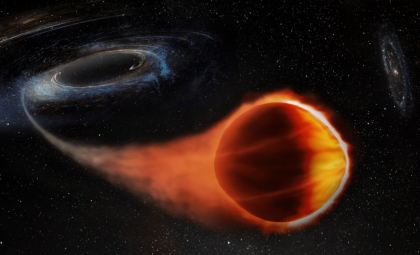
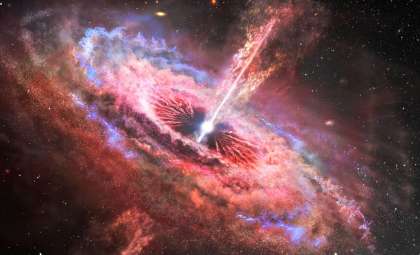
A “dirty fireball” explosion happens when a collapsing massive star forms a black hole, unleashing a burst of radiation that pushes through the star’s outer layers. Unlike the sharply focused energy bursts seen in gamma-ray events, dirty fireballs are believed to emit disordered radiation mixed with heavy elements.

“It’s a very exciting prospect,” said Rhaana Starling of the University of Leicester. “[Dirty fireballs] have been theorised to exist since the 90s, but there hasn’t really been any compelling evidence for them.”
While gamma-ray bursts have been extensively recorded, the dirty fireball has remained hypothetical for over three decades. The recent S X-ray event labeled EP241113a, observed by the Einstein Probe, fits theoretical expectations for what such an explosion should look like.
Advancing Our View of High-Energy Cosmic Events
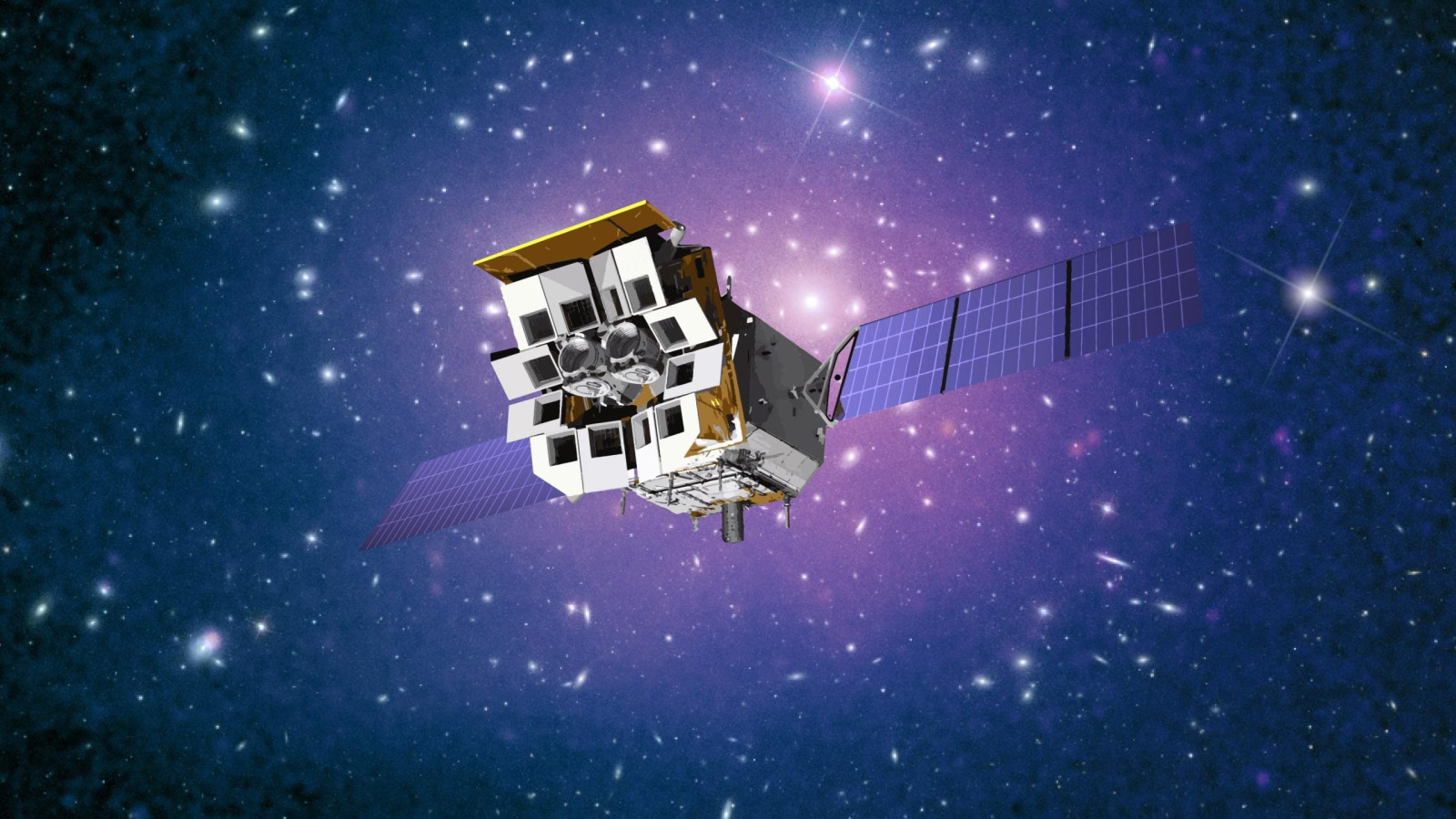
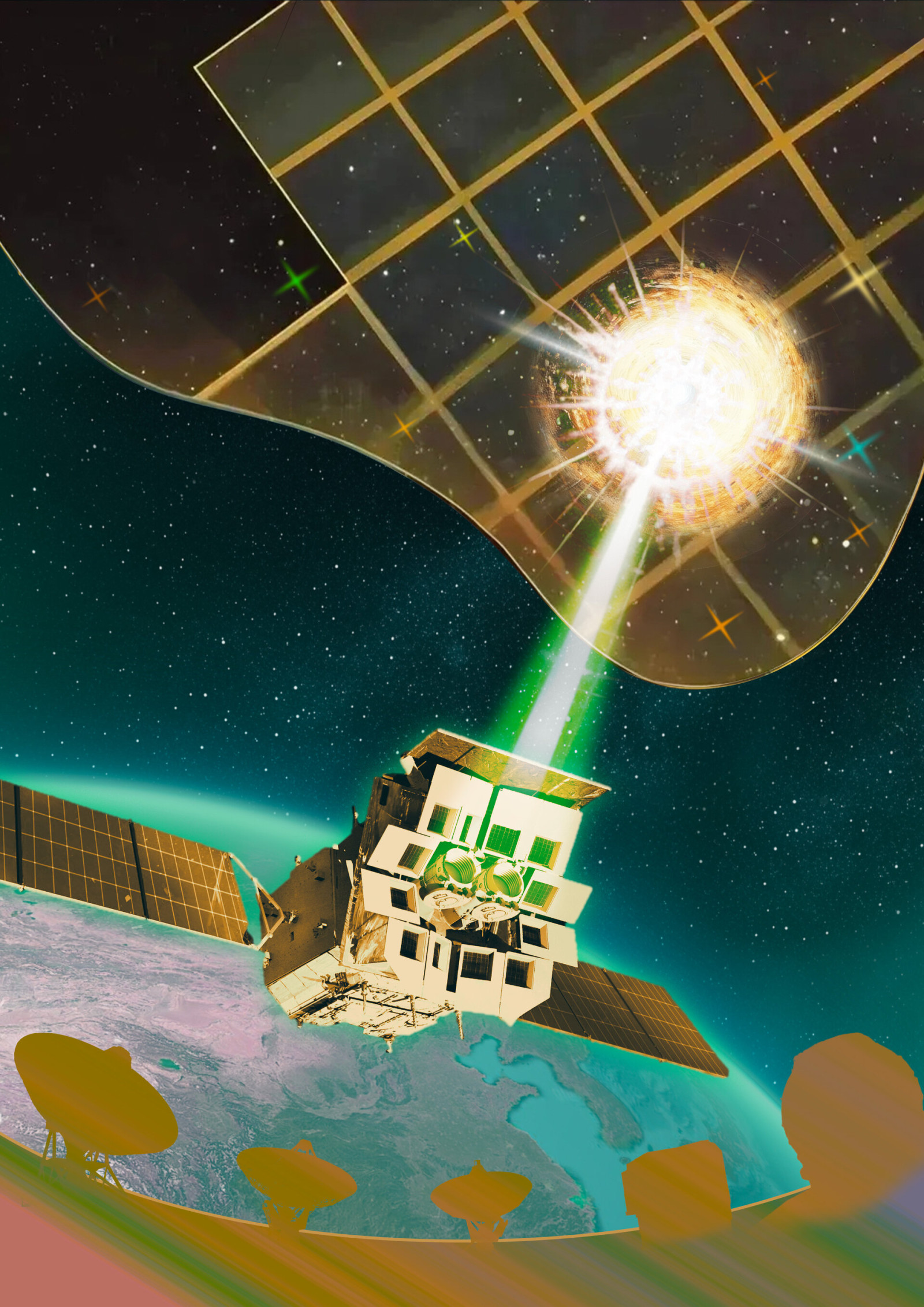
The Einstein Probe telescope is equipped to detect intense cosmic explosions. Its recent observation of a strong X-ray flash caught the attention of astrophysicists. A preprint on arXiv detailed how the characteristics of this flash closely match those predicted by the dirty fireball model, sparking excitement that this elusive event has finally been recorded.
New Scientist reported the flash’s distinct intensity and radiation patterns were consistent with what theorists expected from a dirty fireball, reinforcing confidence that this event could be the real deal.
A Major Milestone in Astrophysics Research
If this interpretation holds up, the dirty fireball detection offers fresh insights into stellar death and black hole formation.
As massive stars collapse, they may trigger supernovae or create black holes in turbid, dynamic processes. The X-ray flash provides valuable data on the release of heavy elements during these cosmic transformations.
“If it’s a black hole, then we are able to then get a more complete picture of black hole formation across the universe,” noted Starling.
Moreover, this finding could deepen our understanding of how extreme cosmic events distribute radiation and heavy materials throughout the universe. Continued observations of similar explosions could help clarify the universe’s fundamental structure.
- Categories:
- Astronomy





0 comments
Sign in to Comment