
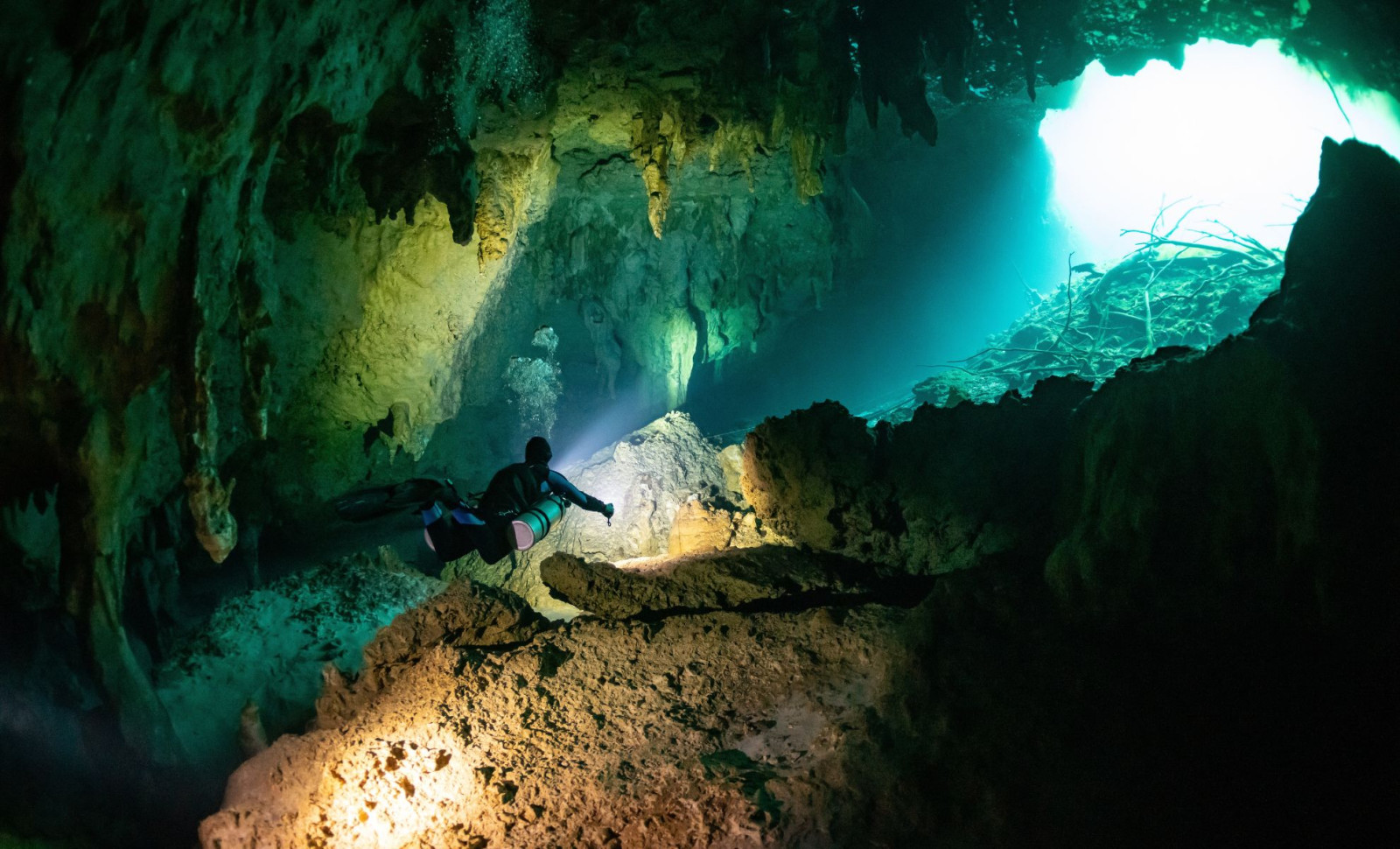
Just beneath the Mediterranean waters near Marseille lies an extraordinary relic of prehistoric times. The Cosquer Cave, found in 1985, contains rare Ice Age artwork created by early humans, now submerged due to rising sea levels.
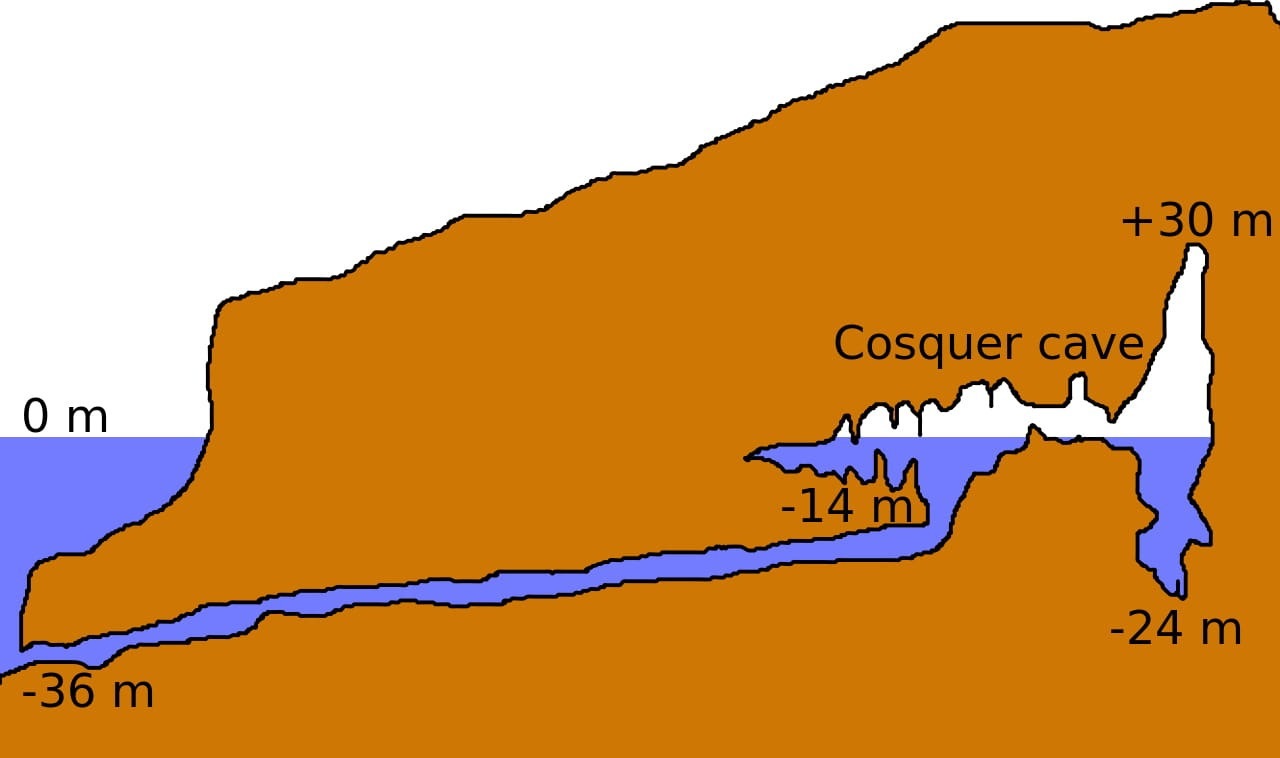
What captivates researchers is the dramatic transformation of this site. Once dry land utilized by ancient communities, it is now located 36 meters below the sea surface. Due to gradual flooding, some of its invaluable artwork has vanished, making the surviving pieces even more crucial.
Long ago, during the last Ice Age, the cave was situated approximately 6 kilometers inland and stood over 100 meters above current sea level. At that time, the climate was frigid, and the surrounding terrain resembled vast open steppes rather than the coastal environment we see today.

How Rising Seas Reshaped the Cave
The Cosquer Cave exemplifies the enormous environmental shifts that have occurred since the Ice Age. What was once a dry and reachable site is now partially submerged under the Mediterranean, with its entrance lying deep underwater.
According to an article on La Brújula Verde, the access corridor extends about 175 meters before opening into expansive chambers. While parts of these caverns remain dry, allowing some artwork to persist, much has already been claimed by seawater.
“The Cosquer Cave, decorated at a time when the sea was several kilometers away, is now invaded by water due to these climatic changes. The cave has been inaccessible on foot for nearly 9,000 years. This site, protected for millennia and now recognized as archaeological heritage, is therefore doomed to disappear,” as indicated by the Cosquer Cave’s official website.
Because of safety hazards, this subterranean site is entirely off-limits. Even qualified divers cannot freely explore it. Authorities have sealed the cave and enforce strict access controls to safeguard both visitors and the delicate historic environment.
A Site Dedicated to Ancient Rituals
Intriguingly, evidence suggests no one lived inside this cave. Archaeologists discovered a hearth but found no tools or animal remains nearby. This absence hints that the cave may have been reserved for ceremonial or ritualistic activities rather than daily living.
The walls host almost 500 depictions created over some 8,000 years between 27,000 and 19,000 BC. Among them are 65 hand stencils made by blowing pigment around hands pressed against the rock surface.
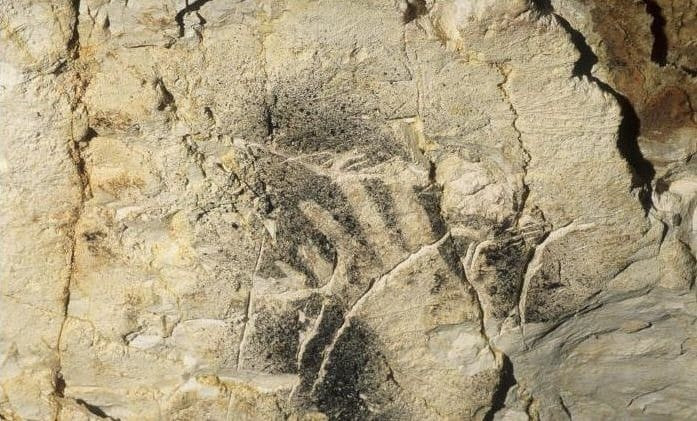
One notable feature is that many of these handprints lack one or more fingers. Researchers speculate this may reflect ceremonial practices or an ancient symbolic code. The cave also contains numerous animal images, especially horses and deer, along with bison, ibex, and extinct species like aurochs. Remarkably, marine creatures such as seals and jellyfish are depicted, which is rare in cave art from this era.
The Cave’s Discovery and Legacy
The cave came to light unexpectedly in 1985 through diver Henri Cosquer. While exploring a submerged passage, he entered a large chamber and photographed the walls, unaware at first of their prehistoric significance. The ancient artwork was only recognized after developing the photos.
Cosquer returned multiple times accompanied by other divers. However, in 1991, tragedy struck when three people lost their lives in the cave’s confined entry tunnel. Following this, French officials assumed control over the site.
Experts like Jean Courtin and Jean Clottes analyzed the paintings and dated them to roughly 20,000 years ago, predating the famous Lascaux cave art. Subsequent studies have reinforced their authenticity.
Today, the Cosquer Cave remains sealed and protected. To provide public access without jeopardizing the site, a 3D virtual reconstruction was produced in 2016, allowing visitors to explore a faithful replica. Meanwhile, the original cave stays hidden beneath the water, gradually surrendering its treasures to the advancing sea.
- Categories:
- Science








0 comments
Sign in to Comment