
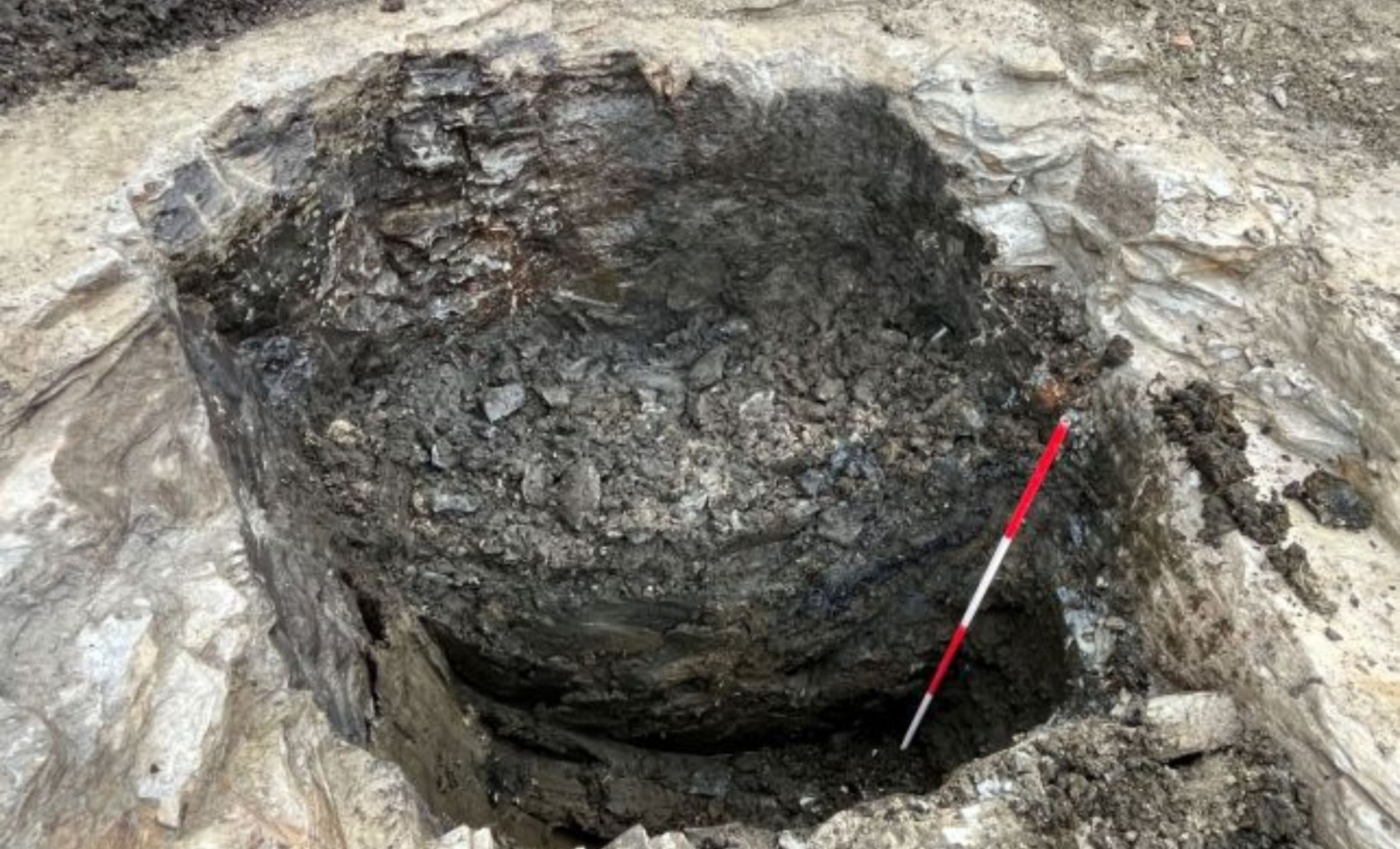
During archaeological digs in the German city of Paderborn, experts uncovered an extraordinary artifact: a well-preserved notebook dating from the 13th or 14th century. It was discovered inside a leather pouch at the base of an ancient toilet pit nearly 800 years old.
The find came to light during preparatory excavations for a new municipal building close to the Abdinghof monastery, carried out by archaeologists from the Regional Association of Westphalia-Lippe (LWL). Their work revealed five medieval latrines containing a wealth of objects discarded long ago.
Though digging in old toilets may seem unappealing, these sites often preserve artifacts exceptionally well due to their moist, low-oxygen environments. In this case, the conditions safeguarded a notebook, textiles, baskets, and various other remnants offering invaluable insights into medieval everyday life.

An 800-Year-Old Notebook Emerges
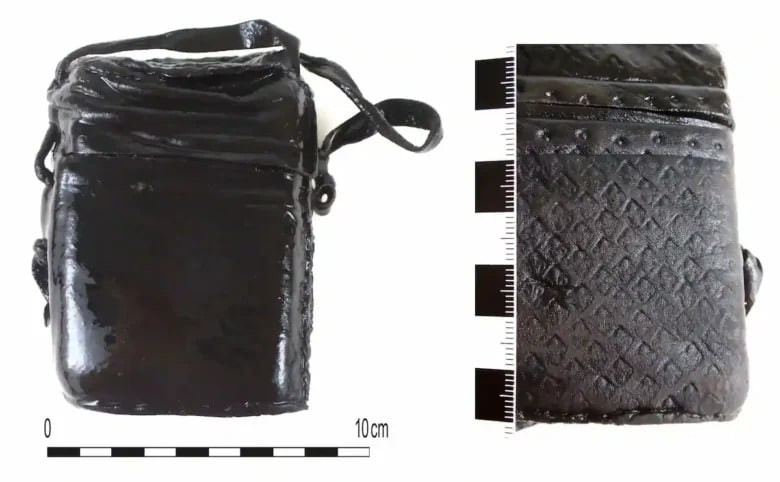
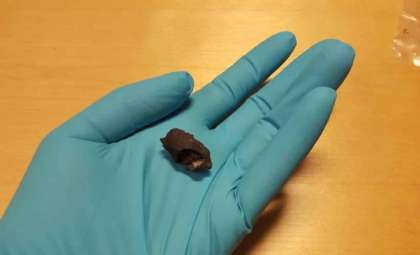
The highlight of the excavation is a compact notebook from the 13th or 14th century. It consists of ten pages, with eight of them inscribed on both sides, enclosed in a leather case that has remained remarkably intact.
According to a translated statement from the LWL, the notebook was retrieved from a “wet lump of earth.” Restorer Susanne Bretzel remarked that despite its lengthy burial underground, the item retained an “unpleasant odor.” Surprisingly, the inside of the leather case was completely clean.
The notebook’s pages are coated with wax, enabling the user to write with a stylus fashioned from materials such as metal, ivory, or bone. The text is penned in cursive Latin, but deciphering it is challenging. The writer inscribed in multiple directions and sometimes over previous entries. According to Barbara Ruschoff-Parzinger of the LWL Culture Department:
“The text is not easy to decipher, even for experts in the field. Individual words are recognizable, but the transcription will take some time, as some words may have been corrupted by incorrect spellings.”
She expressed hope that advanced imaging techniques may help reveal the full content eventually. While written fragments have been found in latrines previously, the recovery of an entire notebook is unprecedented.
Identifying the Owner
Investigators now aim to uncover the notebook’s author and why it was discarded in this unusual location. Paderborn’s city archaeologist, Sveva Gai, speculates it may have belonged to a local merchant.
“Who wrote the book and what purpose did it serve? Initial assumptions suggest that a Paderborn merchant may have been the author, jotting down business transactions and recording his thoughts in note form,” she noted.”Merchants were educated people: Unlike most people, they could both read and write.”
The use of Latin implicates a person with some formal education, as the language was predominantly used by those in privileged or scholarly circles during the era. Records indicate wealthy citizens once resided in Paderborn’s central area where the dig took place.

The intricately decorated leather case featuring embossed fleur-de-lis patterns suggests it was a luxury item rather than an everyday accessory. Excavators highlighted that the fleur-de-lis symbolized purity, sovereign authority, and divine protection in medieval times.
Silk Fragments, Pottery, and Everyday Artifacts
The notebook was only one of several fascinating items recovered from the medieval latrines. The team also uncovered barrels, ceramics, woven baskets, and a knife. Notably, bits of silk fabric were found as well.
Bretzel explained that some silk pieces were cut into small rectangular sections, while others displayed delicate weaving and decorative patterns. She proposed that these fragments might have functioned as makeshift toilet paper prior to disposal.
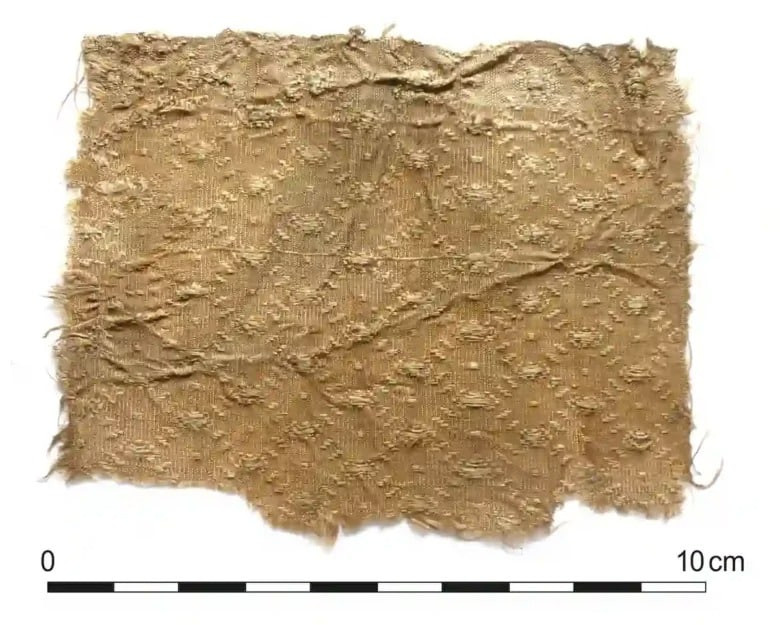
These silk remains complement the broader narrative emerging from the site. Together with the notebook and its ornate case, they indicate that some inhabitants enjoyed access to luxury items.
Researchers are eager to fully transcribe the notebook’s text in hopes it will shed new light on its owner and provide a richer understanding of daily existence in medieval Westphalia.
- Categories:
- News











0 comments
Sign in to Comment