
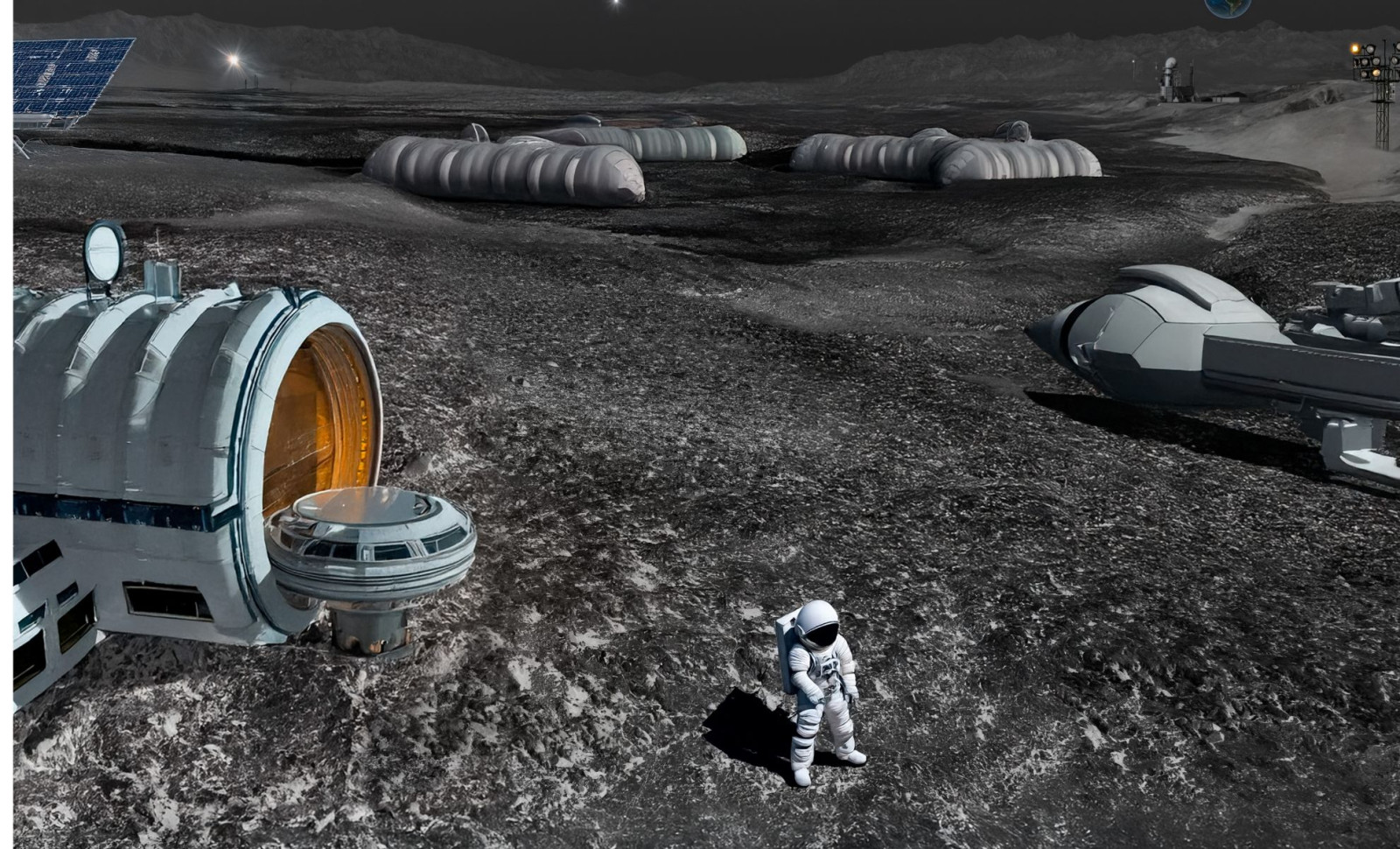
NASA has provided an enhanced glimpse into its vision for a permanent moon base, outlining a comprehensive strategy to establish a long-term human foothold on the lunar surface. This update builds on prior information related to the Artemis program, which aims to bring astronauts back to the Moon and develop enduring infrastructure. Although Jared Isaacman previously suggested that construction might start in the 2030s, the latest official documents remain noncommittal about scheduling.
The central mission is clear: to develop a sustainable human habitation on the Moon capable of advancing scientific research, technological innovation, and economic growth.
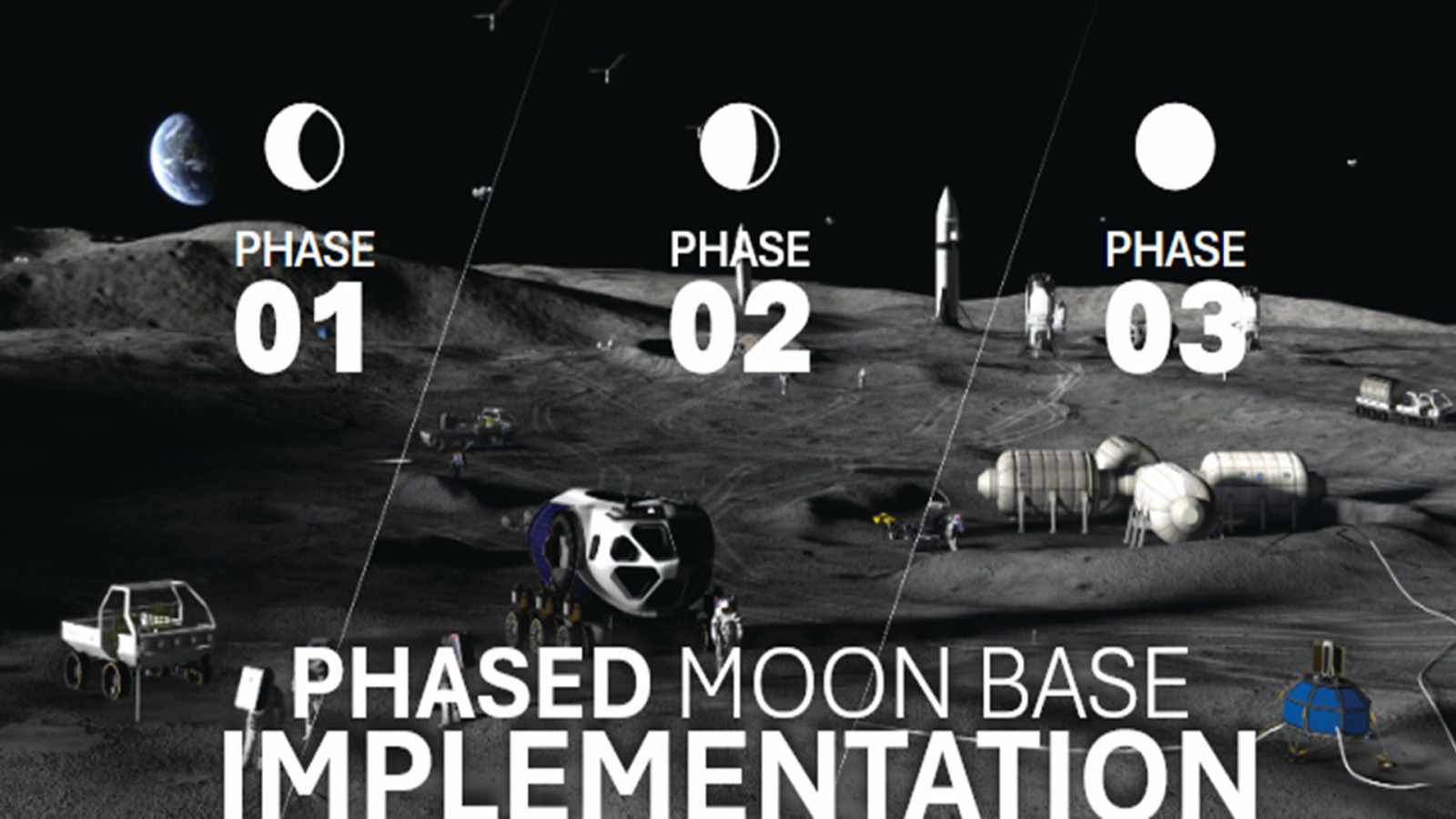
A Three-stage Approach Featuring 81 Launches and 73 Lunar Landings
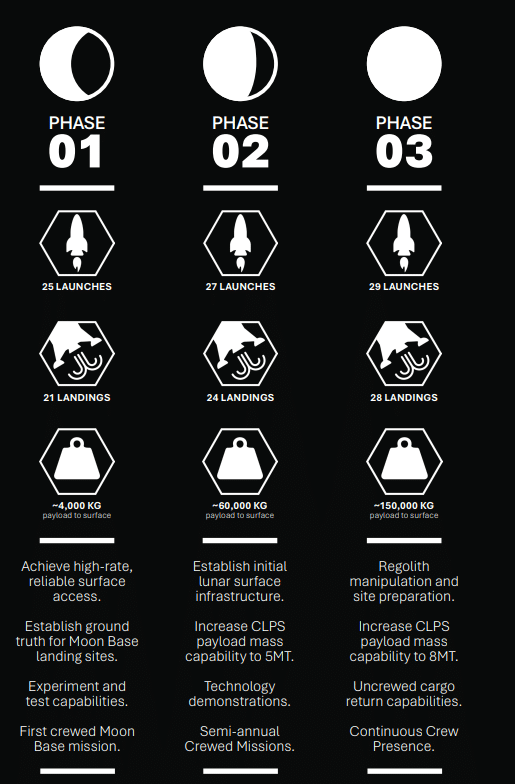
NASA’s plan unfolds over three key phases, totaling 81 rocket launches and 73 touchdowns on the lunar surface. The inaugural phase alone includes 25 launches and 21 landings, transporting about 4 metric tons of gear to the Moon.

This initial stage focuses largely on experimentation and preparation. The agency’s report indicates that while some missions will carry astronauts, the primary aim is to validate the functionality of critical systems.
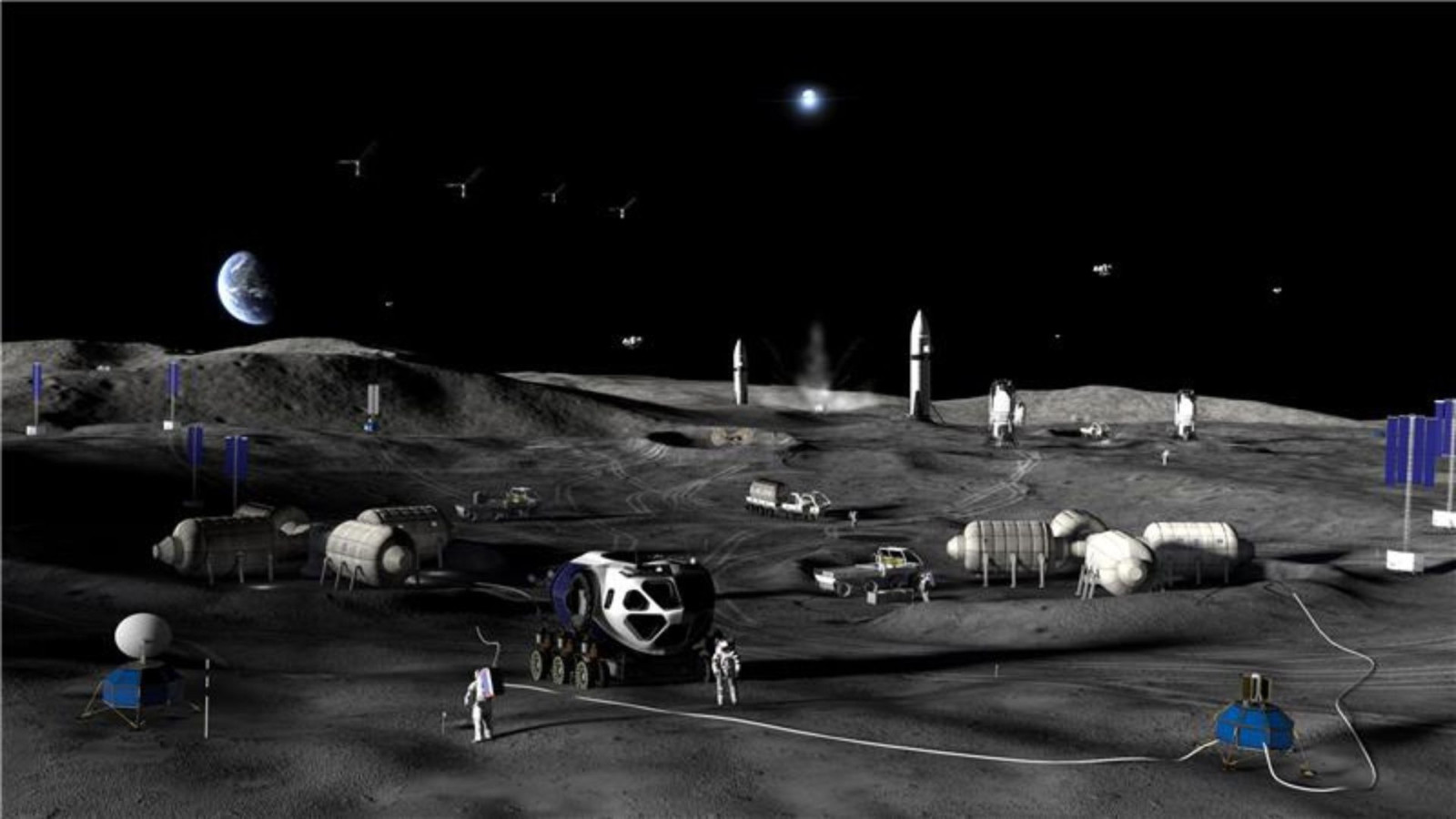
Key components include robotic units able to manage payloads exceeding 10 kilograms, detect valuable lunar materials, and establish dependable communication links between Earth and the Moon. Both crewed and autonomous rovers will be deployed to broaden exploration and assist initial activities.
Technology Challenges Remain Significant
Even these preliminary missions hinge on technologies yet to be proven on lunar ground. Managing regolith (lunar dust), powering systems via solar energy, and synchronizing multiple devices despite communication delays present substantial hurdles.
NASA’s documentation highlights that coordination efforts are complicated by signal latency between Earth and the Moon. Coupled with the challenges of traversing unfamiliar terrain, these conditions ensure the first phase will be anything but routine.
From Initial Missions to Year-round Lunar Habitation?
The project intensifies in the second stage, involving 27 launches and 24 landings to deliver 60 tons of supplies and support approximately two crewed missions annually, likely utilizing a rotation approach similar to the International Space Station.
The final phase escalates further with 29 launches and 28 landings, transporting 150 tons of cargo aimed at enabling a “continuous human presence on the lunar surface”. According to NASA’s report, routine cargo deliveries will ensure the settlement remains operational. The U.S. agency stated:
the agency is “embarking on one of the most ambitious space projects in recent history,” aiming to build a Moon base near the lunar South Pole with the support of commercial and international partners.
NASA anticipates collaboration with private entities through initiatives like CLPS (Commercial Lunar Payload Services), expected to transport up to 8 tons of equipment, despite some setbacks in recent launches.
The agency is also connecting lunar base designs to upcoming Mars expeditions, exploring advanced concepts such as nuclear propulsion, enhanced astronaut independence, and coping with extreme environments. The only firm mission dates currently are Artemis III in 2027 and Artemis IV in 2028, both viewed as highly ambitious goals.
- Categories:
- Nasa










0 comments
Sign in to Comment