
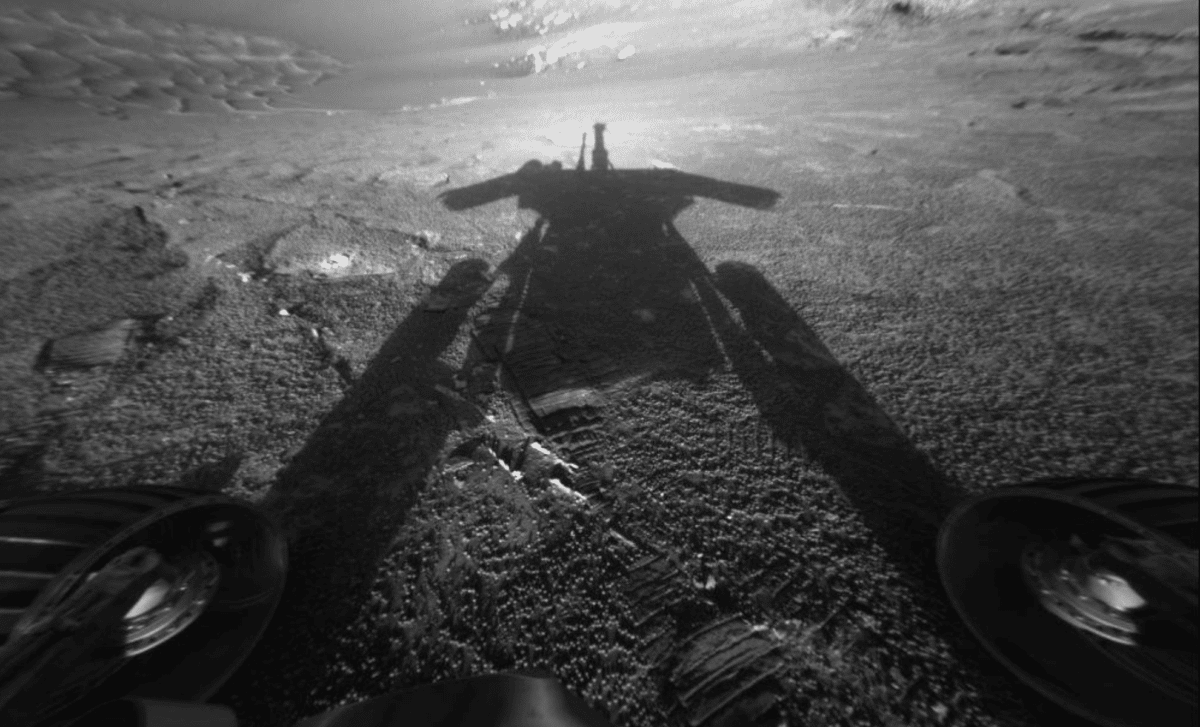
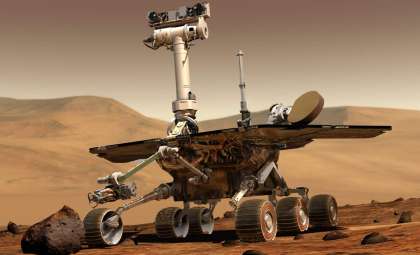
The Opportunity rover, managed by NASA, embarked on an extraordinary near 15-year journey across Mars, dramatically expanding our knowledge of the Red Planet and offering compelling clues that it once harbored microbial life. Its mission came to an end in June 2018 when a colossal dust storm engulfed Mars. NASA’s account of the rover’s last transmission became a deeply moving moment in the annals of space exploration, signaling the conclusion of a probe that far surpassed its original design expectations.
A Mission Exceeding All Expectations
Arriving on Mars in January 2004 along with its counterpart, Spirit, the Opportunity rover was initially projected by NASA to operate for about 90 Martian days. It was intended to traverse limited distances, analyze rock samples, and search for signs of past water on the surface. No one anticipated that it would remain active for nearly 15 years, covering over 28 miles and becoming the first rover to complete a marathon-length journey on another planet.
Throughout its mission, Opportunity investigated craters, maneuvered steep rocky terrain, and sent thousands of images that reshaped scientific understanding of Mars. Its findings identified minerals formed in water-rich environments, bolstering the hypothesis that ancient Mars had habitats capable of supporting microbial life. For the global audience tracking its progress, the rover symbolized resilience and human curiosity in space exploration.

NASA captured the mission’s conclusion in somber terms:
“One of the most successful and enduring feats of interplanetary exploration, NASA’s Opportunity rover mission is at an end after almost 15 years exploring the surface of Mars and helping lay the groundwork for NASA’s return to the Red Planet,” NASA said back then.
By the time the mission ended, Opportunity had exceeded its initial expected life by a factor of 55. Battling dust storms, sub-zero temperatures, and mechanical challenges, it continuously bounced back to operational status. This extraordinary durability made the 2018 loss all the more heartbreaking for the dedicated team communicating with the rover millions of miles away.
The Devastating Global Dust Storm
In June 2018, an immense dust storm expanded rapidly, virtually enveloping Mars. The thick haze blocked sunlight, depriving Opportunity of its solar power source. As a result, the rover entered a precautionary low-power sleep mode to preserve energy until light conditions improved.
The scenario detailed by NASA engineers illustrated the extreme conditions: “The Opportunity rover stopped communicating with Earth when a severe Mars-wide dust storm blanketed its location in June 2018. After more than a thousand commands to restore contact, engineers in the Space Flight Operations Facility at NASA’s Jet Propulsion Laboratory (JPL) made their last attempt to revive Opportunity Tuesday, to no avail. The solar-powered rover’s final communication was received June 10.”
Project manager John Callas described the unusual darkness during the storm in an interview with journalist Jacob Margolis, explaining how sunlight was virtually extinguished, making daytime resemble night.
Despite these dire circumstances, NASA hoped the rover would survive as it had overcome major storms previously. Teams at JPL spent several months attempting recovery by sending repetitive commands, aiming for the rover to recharge and reestablish contact, but no signal was ever received.
“We were hopeful that the rover could ride it out. That the rover would hunker down, and then when the storm cleared, the rover would charge back up. That didn’t happen. At least it didn’t tell us that it happened. So, we don’t know.”
The Last Image from Opportunity
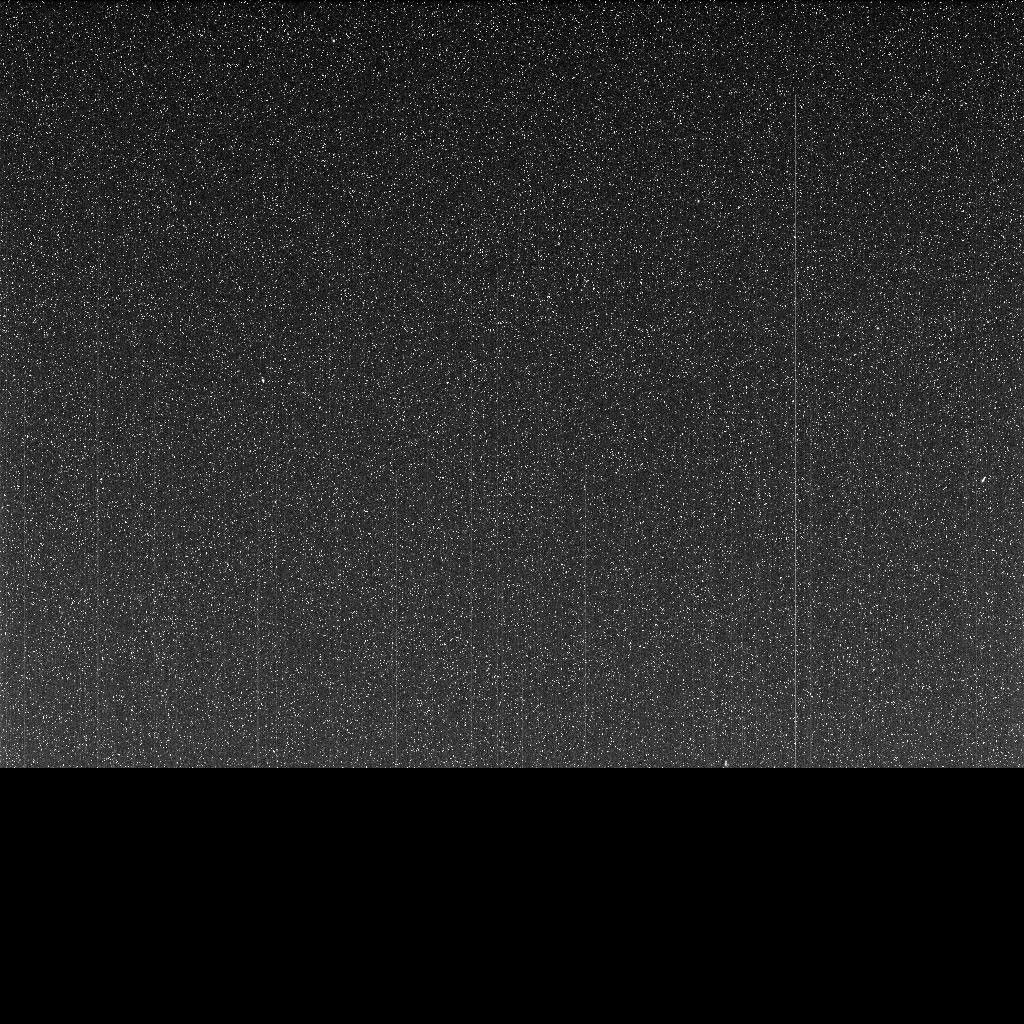
Rather than words, Opportunity’s final message came as a corrupted and incomplete photo from the edge of Perseverance Valley. This eerie picture, later released by NASA, mainly displayed darkness punctuated by white noise caused by the camera’s electronic interference. The image transmission cut off prematurely, leaving several areas pitch black.
NASA explained that the rover aimed its Pancam at the Sun through a solar filter to record atmospheric data during the storm. However, the dust-laden sky limited the sunlight reaching the surface, rendering the image a stark symbol of both technical failure and the harsh Martian environmental crisis ongoing at that time.
The heartfelt final transmission inspired widespread emotion when reports circulated suggesting the rover’s last words were “my battery is low and it’s getting dark.” Though not an actual transmission, this poetic phrase coined by journalist Jacob Margolis after consulting NASA engineers poignantly captured the rover’s dire condition.
This incomplete photo endures as one of the most evocative legacies of robotic space missions. Unlike stunning images of distant celestial bodies, it embodies a quiet farewell from a pioneering explorer that devoted almost a decade and a half to unveiling Mars’ secrets for humanity.
- Categories:
- Nasa






0 comments
Sign in to Comment