

Researchers have developed an innovative worldwide map that could revolutionize the way geologists identify rare earth element (REE) deposits. Their findings reveal a connection between distinctive volcanic rocks and the Earth's oldest and thickest continental regions, indicating a deeper underlying geological framework for the distribution of these vital minerals.
Rare earth elements are essential components in numerous technologies individuals depend on, such as smart devices, electric cars, and wind energy turbines. Given the rising interest in securing supply chains and minimizing reliance on foreign sources, grasping the formation mechanisms of these deposits is increasingly crucial.
While it's been clear for some time that rare earth deposits tend to appear in certain areas, the driving reasons behind this clustering have remained elusive. Previous research has mostly concentrated on localized zones or individual mines, leaving unanswered questions about broader global trends.

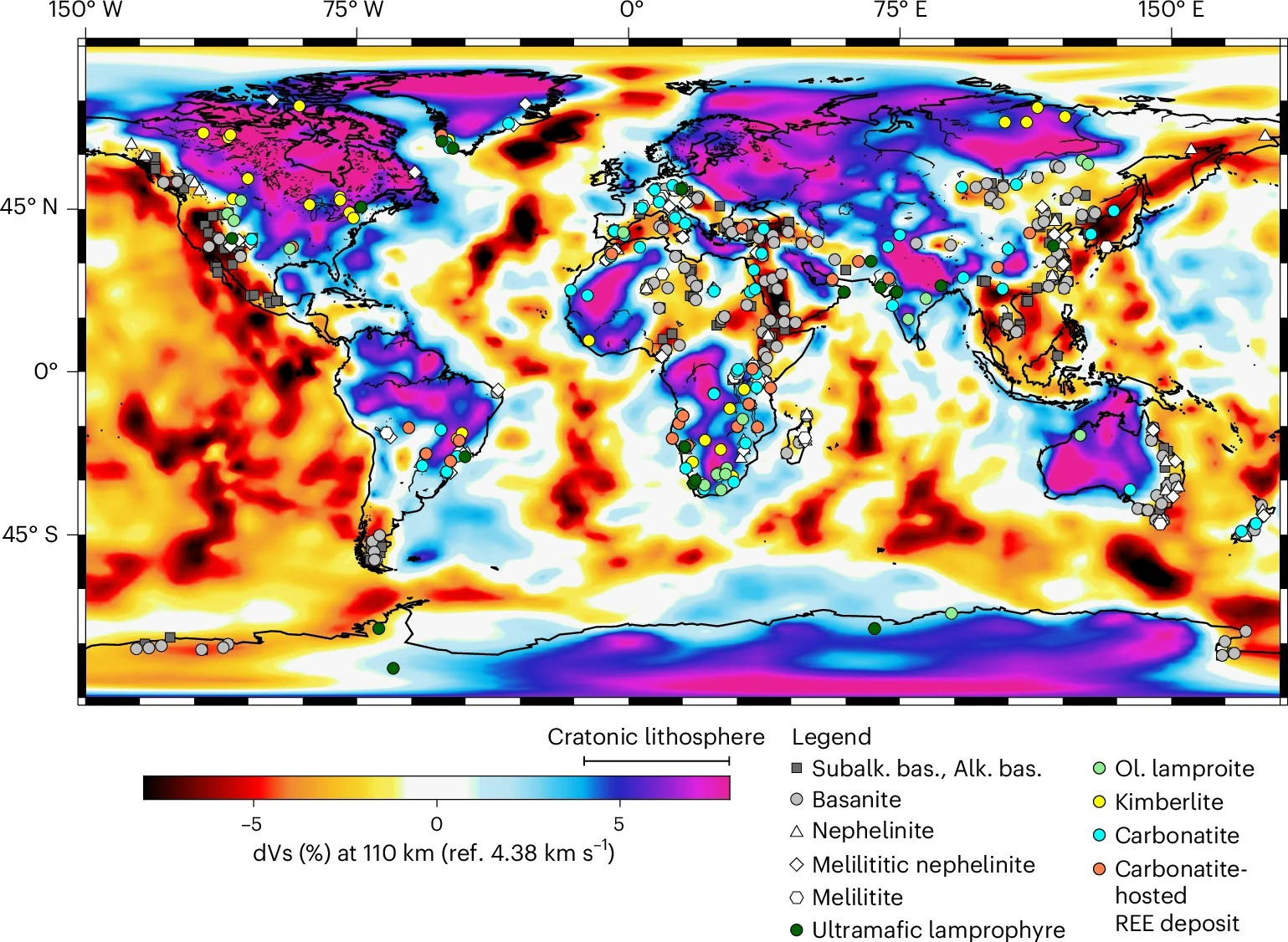
In a study published in Nature Geoscience, a University of Cambridge-led team approached this challenge on a planetary scale. They integrated chemical analyses from thousands of igneous rock samples with seismic imagery, allowing them to glimpse processes occurring deep within the Earth.
Investigating Unusual CO2-Rich Volcanic Rocks
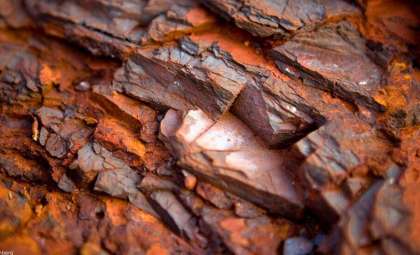
The investigation began by focusing on a group of uncommon carbon dioxide-rich igneous rocks, which are linked to geological environments favorable for rare earth mineralization. Principal investigator Dr. Emilie Bowman compiled chemical data from roughly 9,000 such rocks collected globally. A shared trait of these samples was their elevated CO2 content.
Dr. Bowman emphasized that their aim extended beyond charting the occurrence of these rocks to uncovering whether their spatial patterns could help forecast rare earth element locations.
“Our research is beginning to provide a kind of predictive power for where we can expect these rocks and, by extension, their associated rare earth element deposits, to form,” she said.
Professor Sally Gibson, a co-author on the paper, noted that these rocks have historically been regarded as geological oddities rather than practical targets. Some specimens date back to descriptions from the 19th to early 20th centuries and carry names reflecting their discovery sites or unique mineralogy. Professor Gibson commented:
“The terminology is so sprawling that you could almost make a new language from these rock names,” she added. “This, and their scientific complexity, has added confusion, and people have tended to steer away from them.”
Seismic Waves Reveal a Hidden Geological Signature
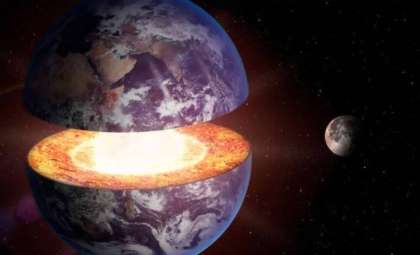
The team included seismic imaging by analyzing earthquake-generated waves to map variations in thickness and structure of the lithosphere, Earth’s rigid outer layer.
Professor Sergei Lebedev likened seismic data to sonar that generates an internal Earth map. When comparing seismic models with their rock data, the researchers identified a distinctive pattern.
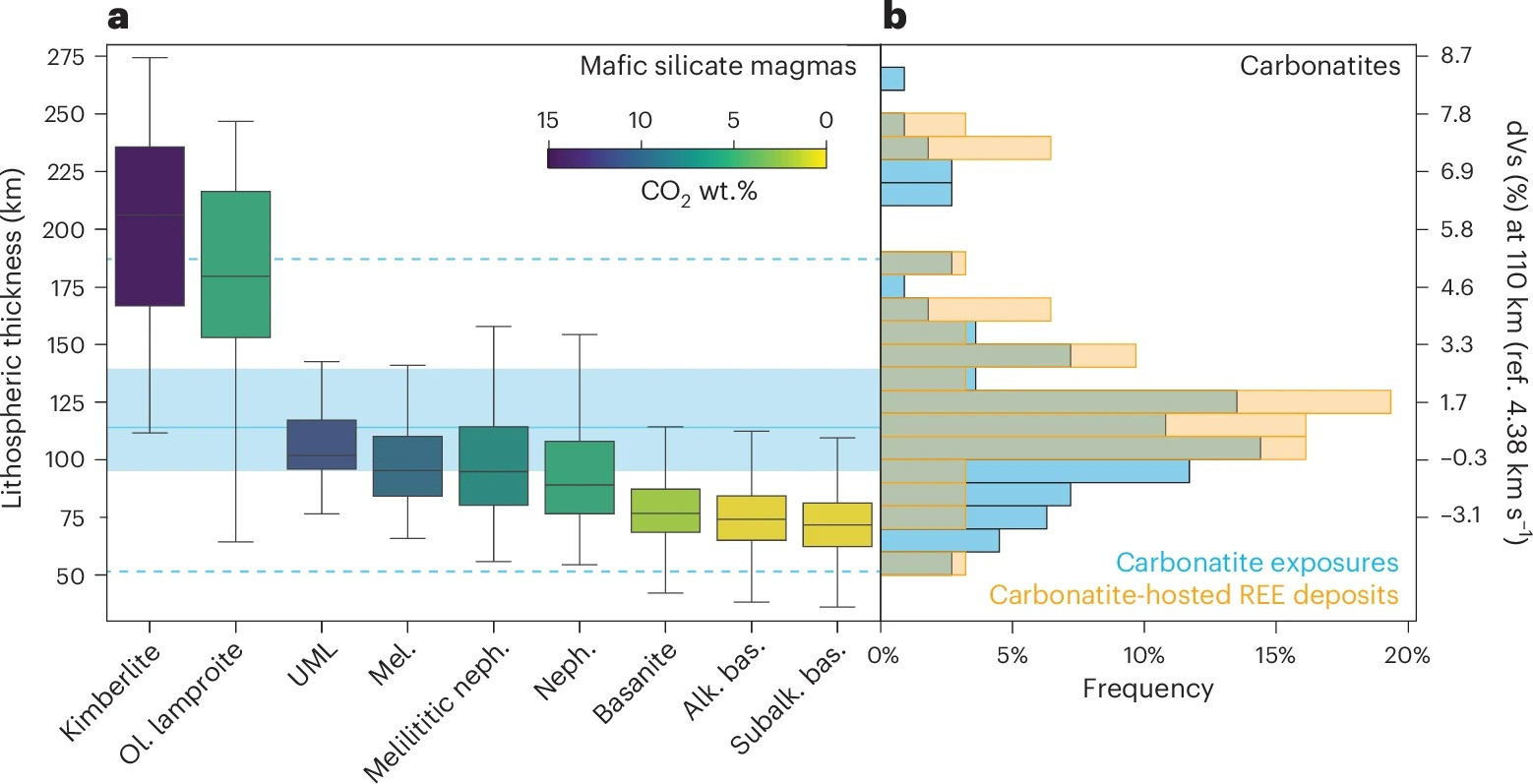
Rocks with the chemical signatures indicative of rare earth enrichment predominantly occur near the steep margins of Earth's ancient, thick continental lithosphere.
“We needed to put together these two pieces of the puzzle, the rock chemistry and seismic data, in order to make the connection,”as noted by Gibson. “Rocks with the right chemistry for enrichment occur only in very specific places, mainly along the steep edges of Earth’s thickest and oldest lithosphere.”
Unraveling the Deep Origins of Rare Earth Minerals
The study also offers a geological explanation for these deposit locations. Thick lithosphere maintains mantle rocks at high pressure and relatively low temperatures, restricting melting and generating limited amounts of magma deep below the surface.
This magma can become trapped below the lithosphere, eventually cooling into CO2-rich igneous formations. Subsequent geological events may partially remelt these rocks, progressively concentrating rare earth minerals over long periods.
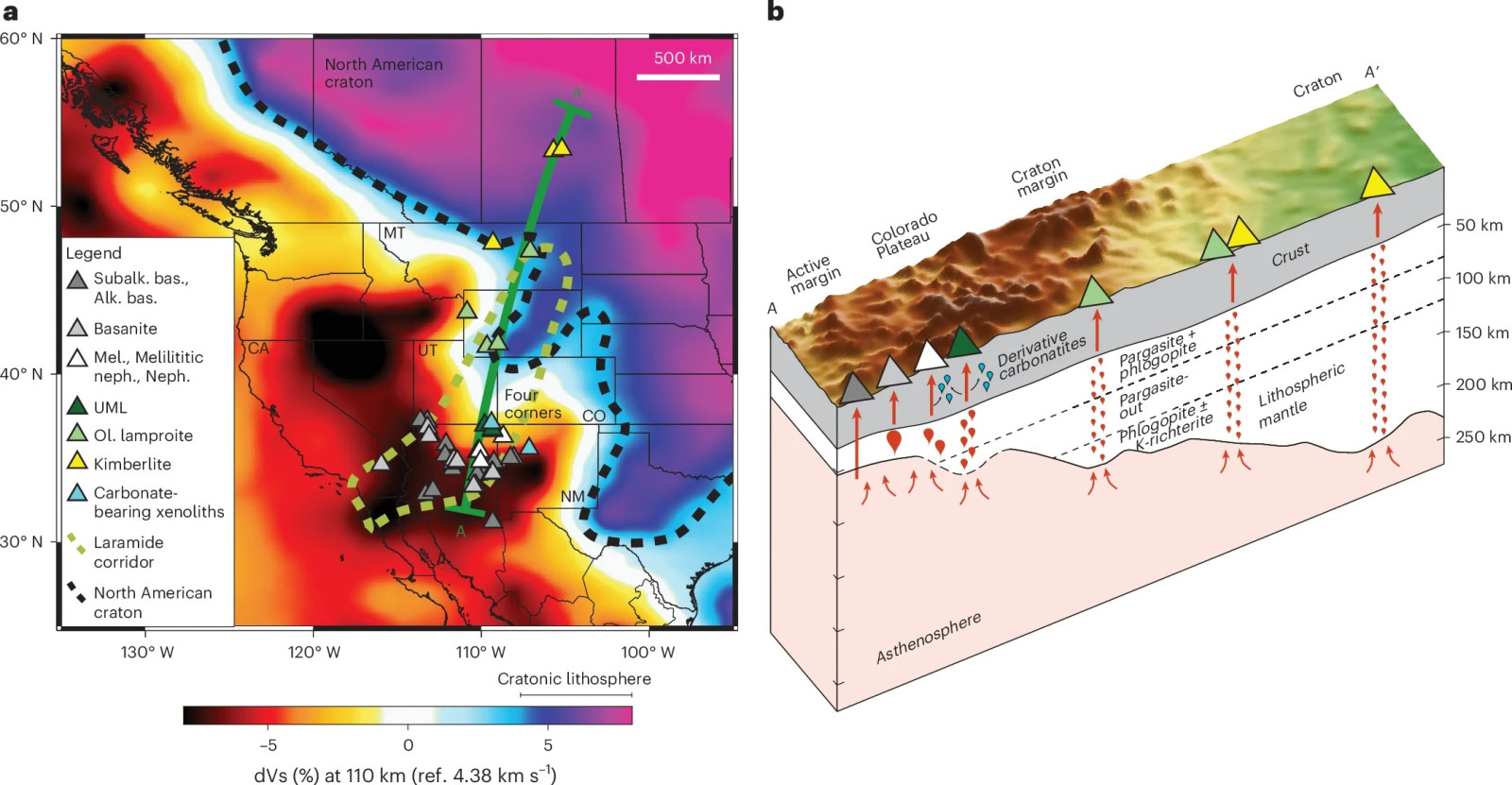
The initial focus was on rocks younger than 200 million years. Professor Gibson explained that older rocks are often altered by processes like orogeny and continental breakup, complicating their study. The team plans to extend their approach to ancient deposits in future work.
“Now we have established this systematic behavior exists, we can go back further in time. It’s going to be more challenging, but I’m hopeful that this will be a key step in predicting mineral occurrences,” he concluded.
- Categories:
- Science



0 comments
Sign in to Comment