

Venus’ surface has long baffled scientists due to its thick cloud cover and harsh conditions that challenge direct exploration. A new investigation unveils unexpected wind dynamics and temperature fluctuations, potentially transforming how future Venus missions are designed.
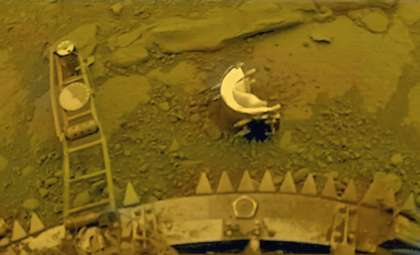
Often called Earth’s “sister planet” because of its similar size and composition, Venus contrasts sharply with a crushingly dense atmosphere and blistering surface heat. Temperatures are sufficient to melt lead, and surface pressure would obliterate most spacecraft. Historical data from missions like the Soviet Venera probes provided brief snapshots, but now advanced computer modeling allows researchers to better understand the interplay between winds and temperature—insights that will benefit upcoming explorations such as Envision and DaVINCI.
Uncovering the Role of Winds in Venus’ Temperature Regulation
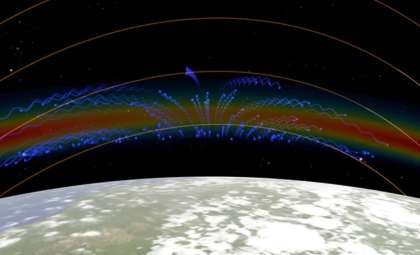
A key finding from a team led by Maxence Lefèvre at Sorbonne University details how Venusian winds act to stabilize surface temperatures. Instead of treating the entire planet uniformly, the study divides Venus into specific regions to analyze wind patterns more accurately. Published in the Journal of Geophysical Research: Planets, the research highlights the winds’ essential function in smoothing out thermal differences between Venus’ lengthy days and nights.

Venus experiences a day-night cycle lasting 117 Earth days each, causing extreme temperature swings. However, winds flowing upslope during daylight and reversing downslope after sunset moderate these changes.
The study shows that this wind mechanism curbs temperature variations to less than 1 kelvin in mountainous regions, while valleys see shifts of nearly 4 kelvin.
Persistent Dust Storms Challenge Spacecraft on Venus
The investigation also sheds light on the frequent dust storms blanketing Venus. Researchers identify strong winds in places like Alpha Regio capable of lifting fine sand-sized particles (around 75 microns), covering about 45% of that area. These storms, which differ by time of day, could seriously affect incoming missions, including DaVINCI.
Fine particulate storms during descent may impair lander systems and complicate landing strategies.
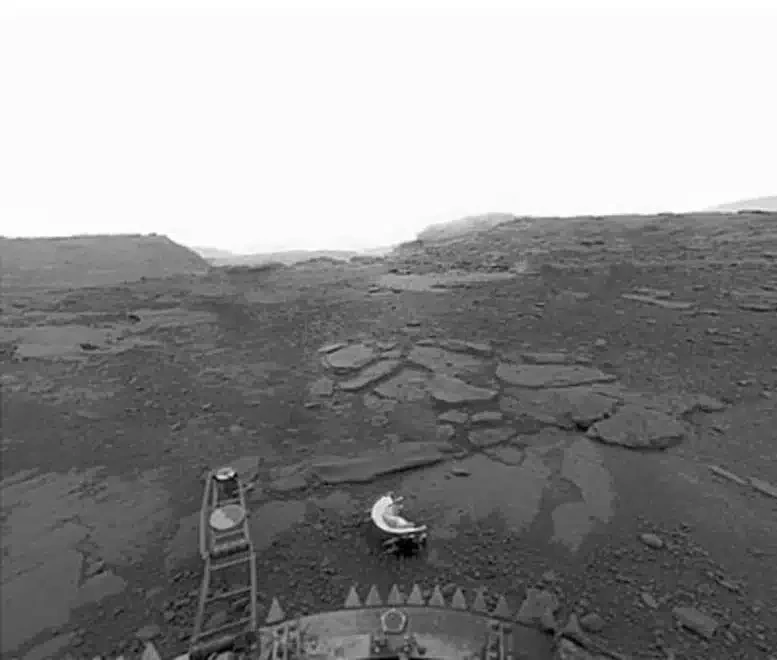
Temperature Variability Across Venusian Landscapes
The planet’s surface temperature fluctuates widely depending on terrain. Mountains benefit from winds that dampen temperature changes between day and night, yielding more stable conditions. Conversely, the lowlands undergo more significant thermal swings due to weaker wind activity.
This variation has implications for mission planning, as areas like Alpha Regio’s elevated plateau with milder temperature oscillations may offer safer touchdown zones. The findings advocate for a nuanced, region-specific approach rather than treating Venus as a homogenous target.
- Categories:
- Space







0 comments
Sign in to Comment