
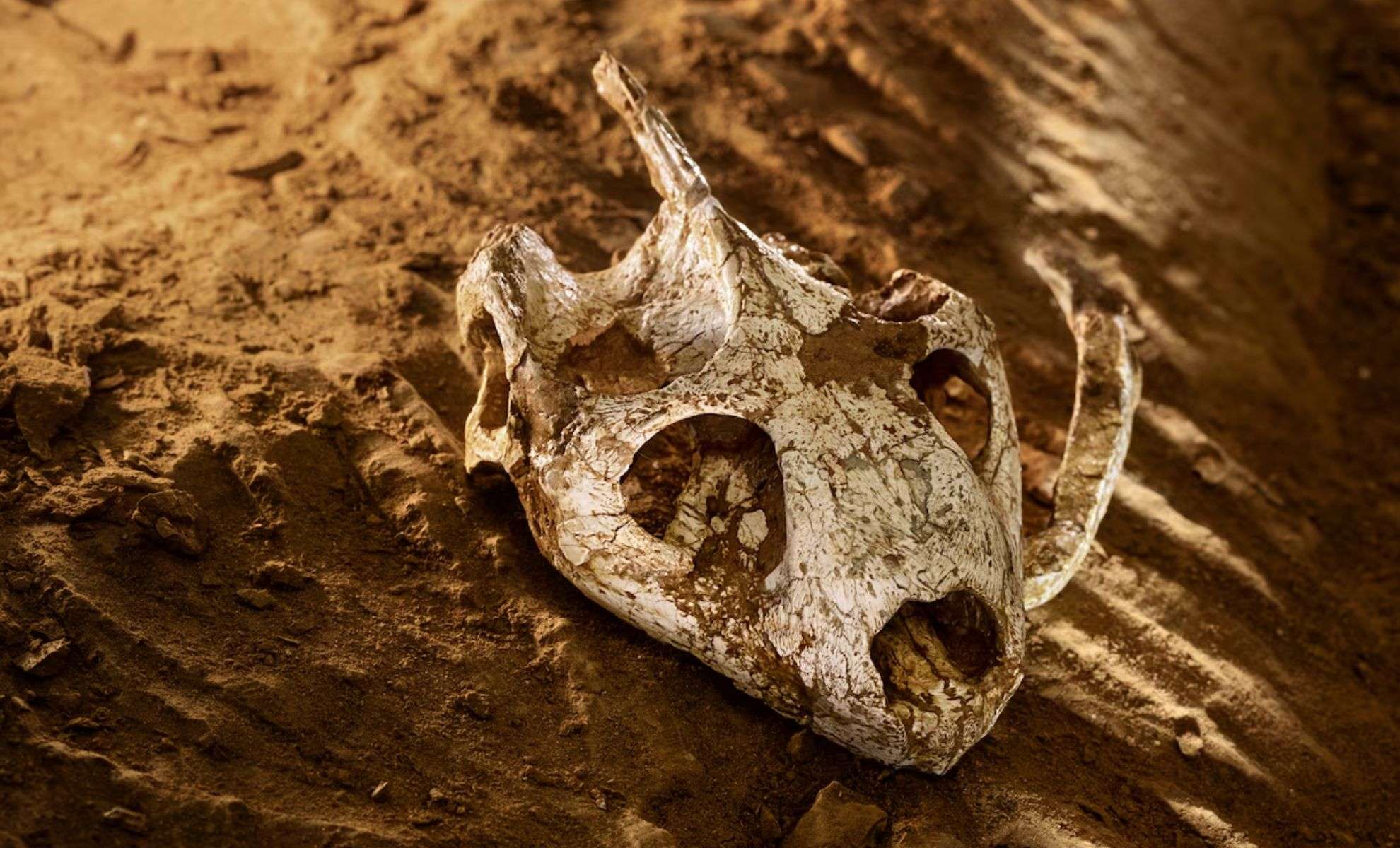
In an astonishing find, a landfill site in Spain has become a remarkable center for ancient fossil discoveries. The Can Mata dump, which receives waste from Barcelona, is revealing fossils dating back millions of years, offering paleontologists a rare glimpse into prehistoric life. Despite being a waste disposal ground, this location is proving vital for understanding early human history.
Revealing Primate Ancestors
National Geographic reports that the fossils found at Can Mata originate from the Miocene epoch, approximately 11 to 12 million years ago. Among these ancient remains are some of the earliest known primates, shedding light on how modern apes and humans evolved. David Alba, the head of the Catalan Institute of Paleontology, emphasizes that these findings demonstrate a far greater diversity of primates during that era than previously believed.
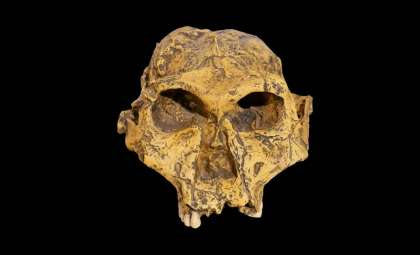
A standout discovery is the nearly complete skeleton of Pierolapithecus catalaunicus, a great ape species living roughly 12 million years ago. This specimen is crucial because it shows an upright posture suited for climbing and swinging through trees, traits foundational in the evolution of apes and humans. Such evidence supports theories about the emergence of key locomotive behaviors in ancient primates.

Extensive Range of Species Found
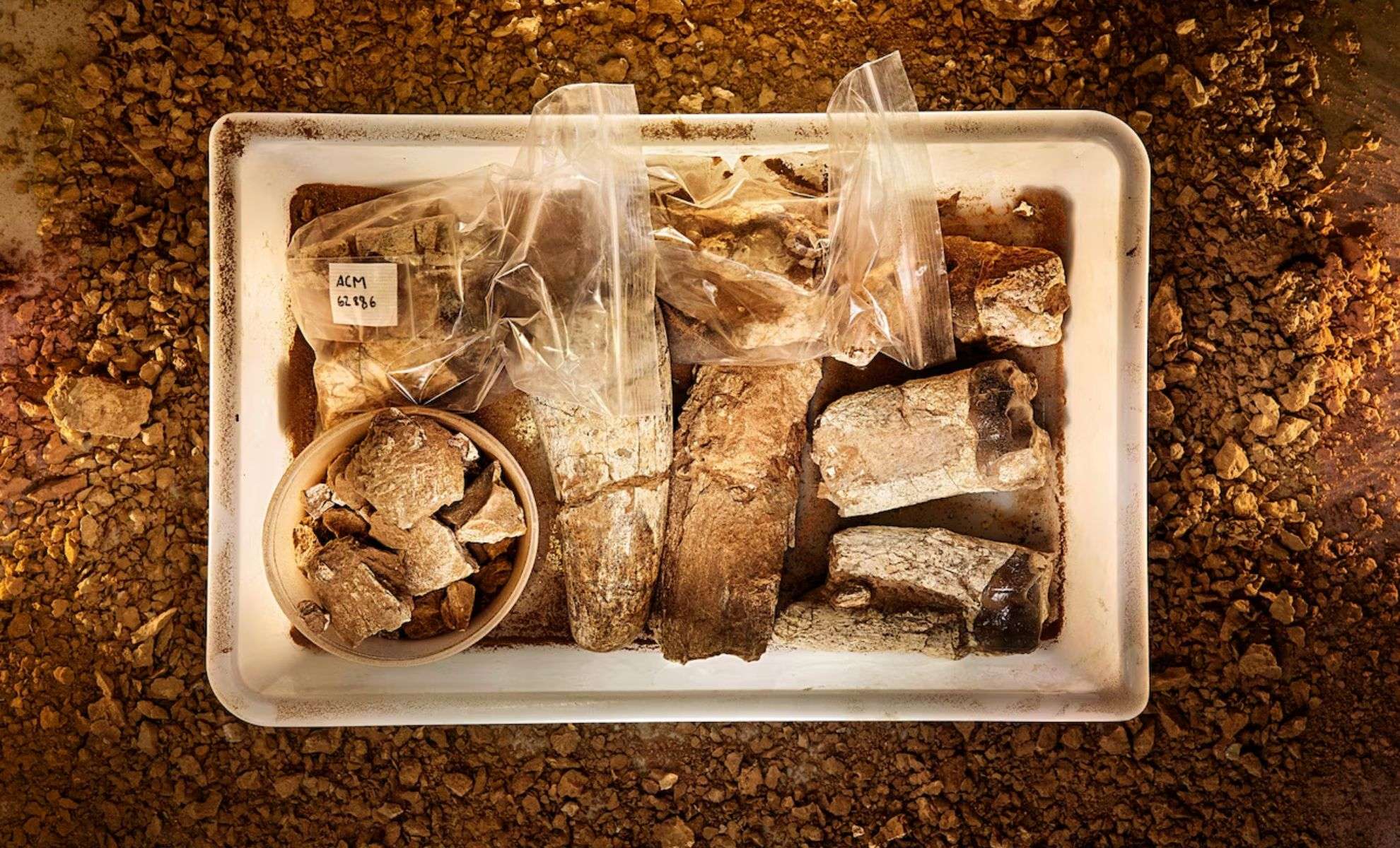
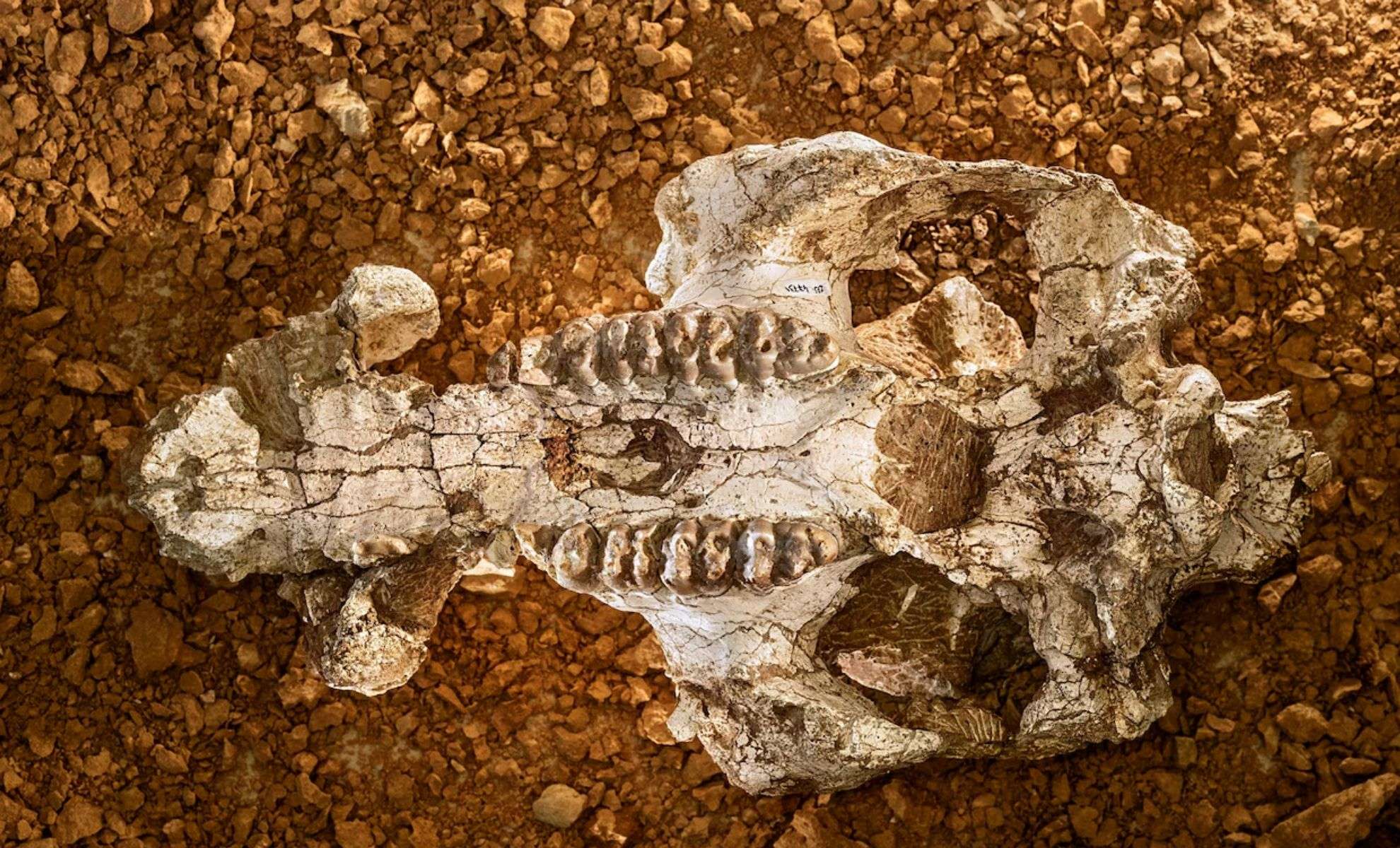
The fossil records uncovered at Can Mata extend well beyond primates. Researchers have discovered an array of creatures, including remains of mammals, birds, reptiles, and amphibians. Among the most unusual is the chalicotherium, a large mammal characterized by sharp claws and an appearance blending features of a sloth, bear, and gorilla. Its adaptations for knuckle-walking offer insight into the diversity of ancient European fauna.
Additional remarkable discoveries include fossils of giant tortoises, early flying squirrels, and elephants. Analysis of bones and teeth allows scientists to reconstruct the climatic and environmental transitions during the Miocene, revealing how ecosystems shifted from lush forests to drier grasslands through isotope studies.
Community Concerns Could Impact Research
The landfill's expansion has sparked discontent among nearby residents due to unpleasant odors. In 2019, protests called for the site’s closure, raising fears that continued paleontological work might be halted if the dump shuts down.
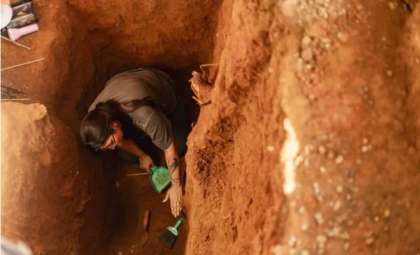
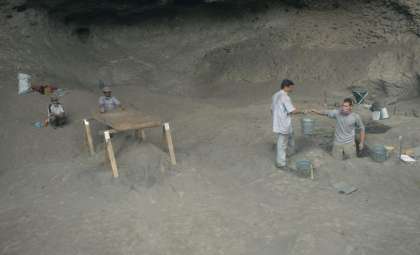
Excavations at Can Mata are essential for accessing deeper soil layers containing valuable fossils. Beth Johnson of CosmoQuest highlights that ongoing digging has already revealed diverse specimens. However, a closure would mean losing a unique window into the past.
This looming possibility has intensified efforts among researchers to make the most of the site. ICP director David Alba remarks, “This is something for the next three or four generations of paleontologists,” adding, “I’m sure there are interesting fossils hiding here.” Thousands of fossils, meticulously preserved and cataloged, remain stored, awaiting future study and unlocking more secrets of Earth's history.
- Categories:
- News




0 comments
Sign in to Comment