
A notable shift is underway in the North Atlantic, indicating a gradual yet critical change in the Earth's climate system. Recent research, detailed in Science Advances, reveals significant weakening in a major ocean circulation that moderates weather patterns across Europe and the East Coast of North America.
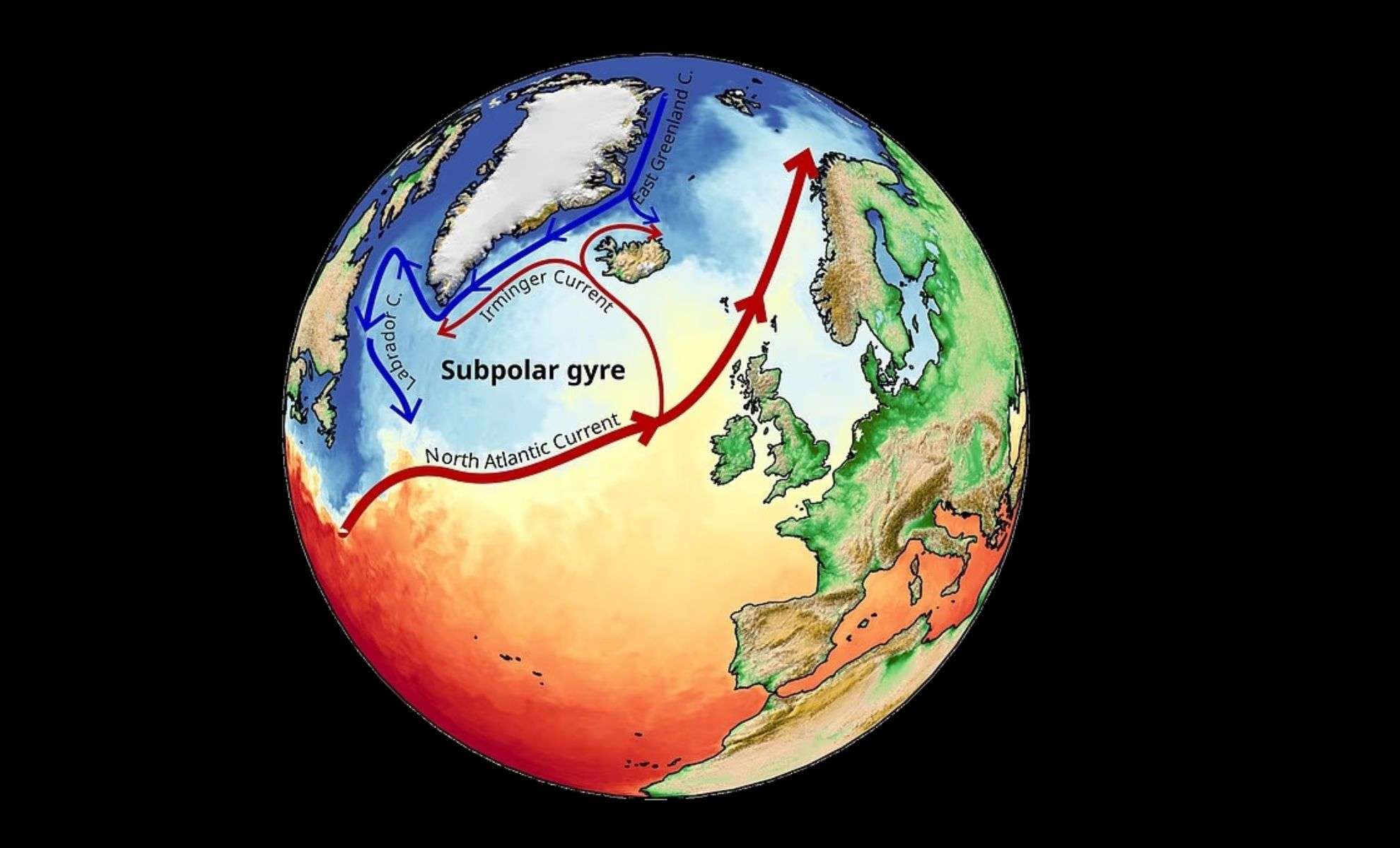
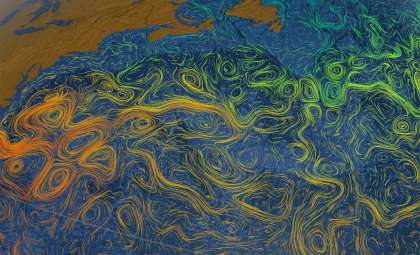
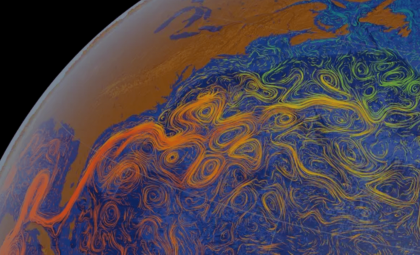
This vital mechanism, called the North Atlantic Subpolar Gyre, quietly transports warmth from tropical regions toward northern latitudes. Its disruption could cause winters in metropolitan areas like London and New York to become much colder, resembling those typically seen much further north.
Marine Shell Records Highlight Urgent Climate Signals
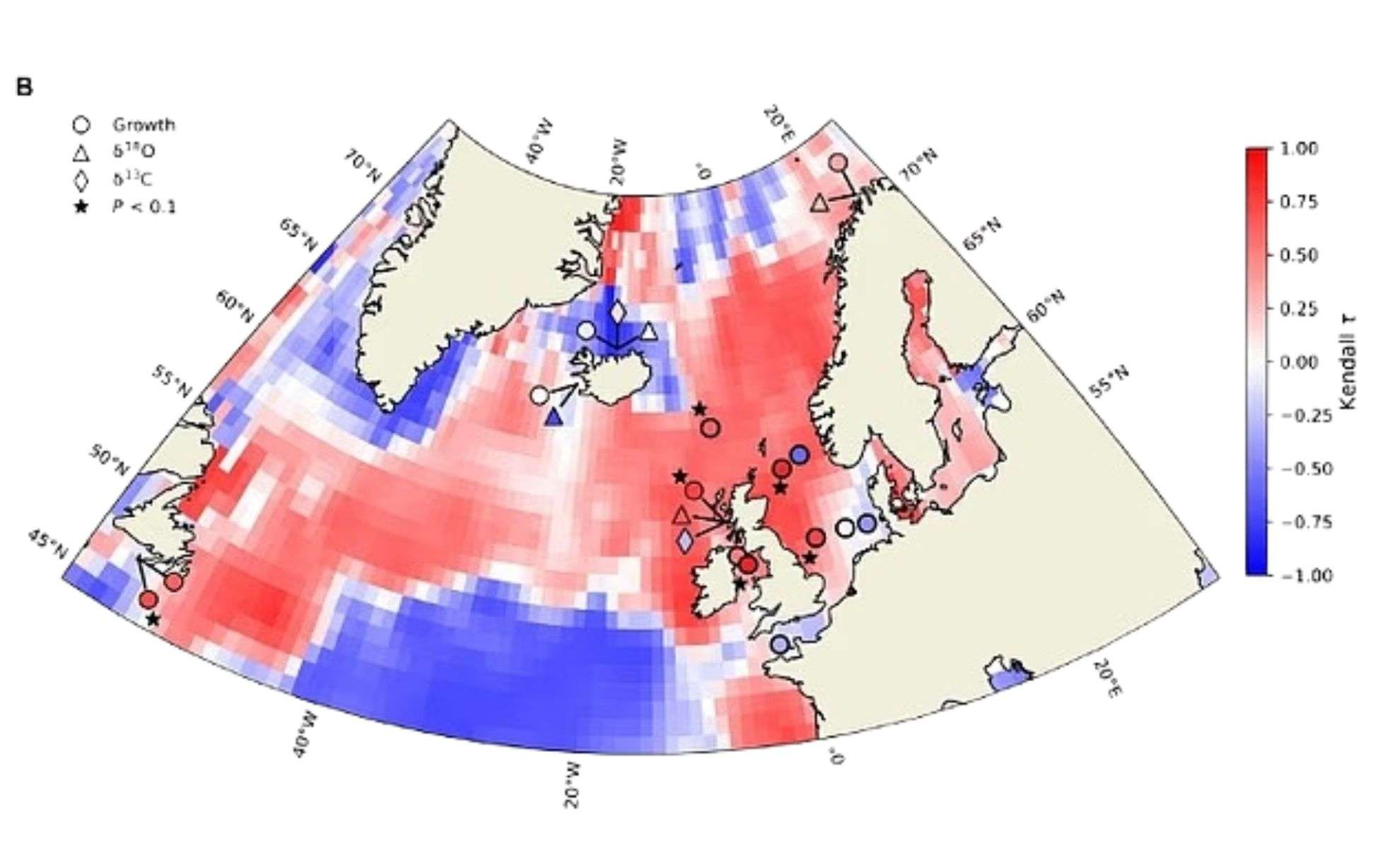
Remarkably, the earliest indicators of this decline come not from technological instruments but from the annual growth layers of sea-dwelling mollusks hidden beneath the ocean floor. Species like the ocean quahog and dog cockle form these layers similarly to how trees create rings, preserving a chemical history of their aquatic environment.

Researchers at the University of Exeter analyzed these shell layers to reconstruct ocean conditions spanning several centuries. Their findings point to two distinct periods of instability in the circulation over the past 150 years: one prior to the 1920s and another beginning in the mid-1900s that has persisted since.
Lead scientist Dr. Beatriz Arellano Nava emphasizes that the evidence represents “independent confirmation that the North Atlantic has experienced a loss of stability,” and the system may be approaching a crucial tipping point. The exact timing remains uncertain, but the trend is alarming.
Echoes of the Past Cooling Period
During the early 1300s, Europe endured a prolonged cooling phase called the Little Ice Age, with average temperatures dipping by just a few degrees Celsius. This shift caused evident hardships like frozen rivers, crop failures, and severe winter conditions. The latest study warns of a comparable pattern resurfacing if the gyre continues its decline.
Though not an exact match for that historic climate, given today’s warmer and more unstable atmosphere, this could still lead to stronger cold spells, altered rainfall patterns, and rising sea levels along North America’s coast. Even without total collapse, a major slowdown would profoundly impact the northern hemisphere’s climate.
Key Role of the Ocean’s Global Conveyor
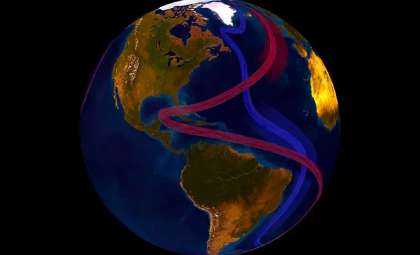
The North Atlantic Subpolar Gyre is part of a larger system known as the Atlantic Meridional Overturning Circulation (AMOC). This global conveyer belt transports warm equatorial waters northward, where cooling causes water to sink and circulate back south at deeper ocean layers.
This balance faces disruption from freshwater runoff due to melting ice sheets in Greenland and the Arctic, which lowers water salinity and density, impeding the sinking process vital to maintaining the current.
According to Dr. Nava, this shift could reduce the movement of warm waters northward,“setting off a cascade of climatic effects including more frequent extreme weather, intensified seasonal shifts in Europe, and global changes in rainfall distribution.” This would have wide-reaching consequences across many regions.
A Real Risk Beyond Fiction
While a sudden ocean freeze is not expected, the once-fictional scenario depicted in films has grounding in real science. Continued weakening of this major current system could destabilize the AMOC, triggering global weather changes that disrupt agriculture, intensify storms, and increase climate unpredictability.
The researchers stress there is still a chance to intervene. Although the gyre has not fully tipped, signs of instability are mounting. Dr. Nava highlights that “urgent reductions in greenhouse gas emissions remain our best defense against crossing critical tipping points in the Atlantic Ocean.”
- Categories:
- News ,
- Climate change




0 comments
Sign in to Comment