
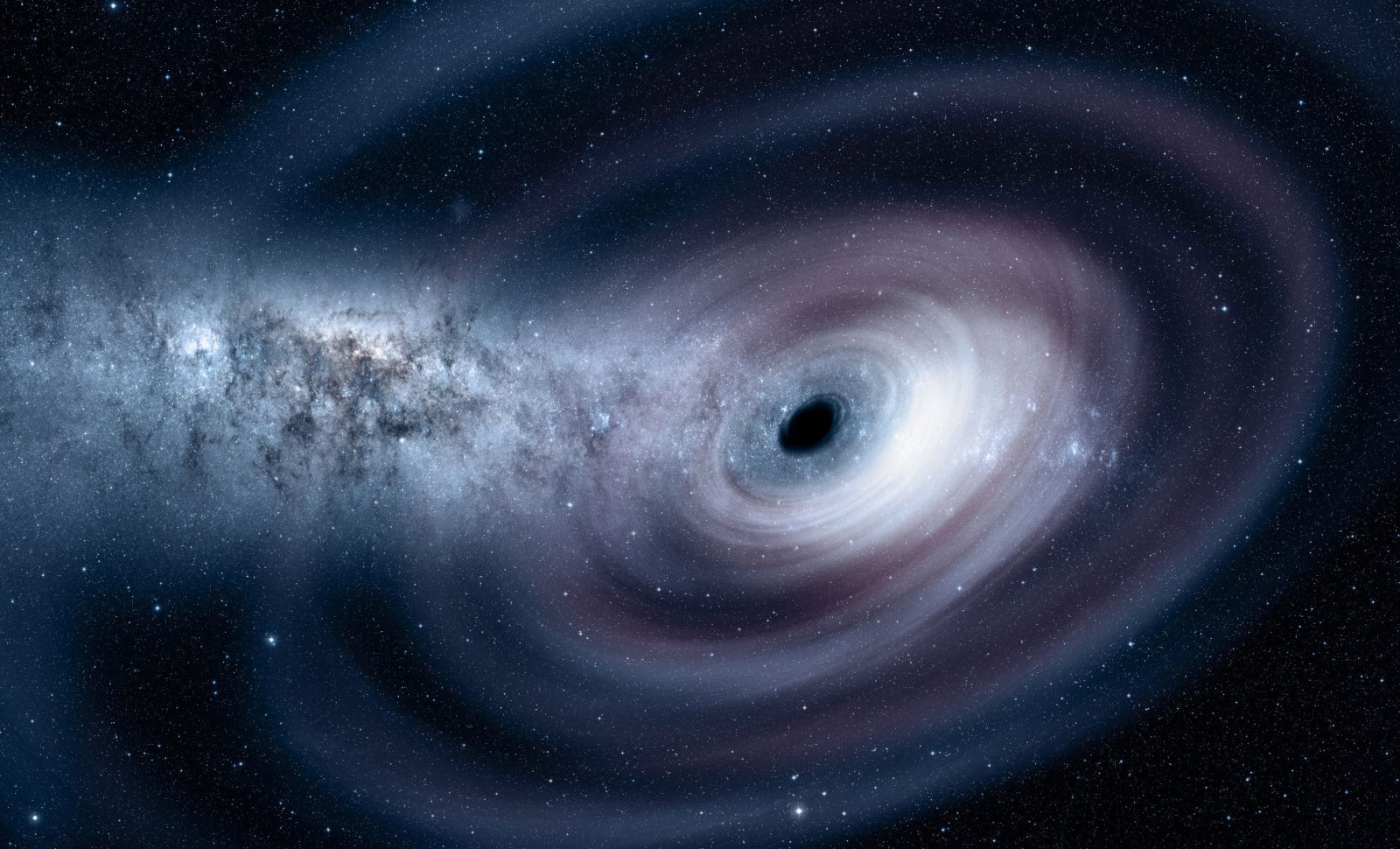
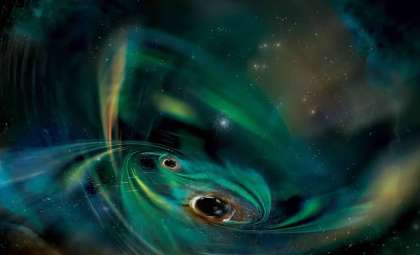
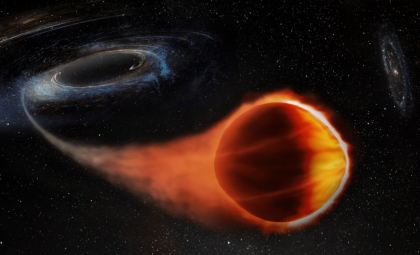
Fresh research suggests that the dusty outskirts surrounding active supermassive black holes could serve as prolific zones for planet creation. Utilizing computer simulations, scientists propose these areas might harbor millions of planets, potentially representing the universe’s largest planetary populations.
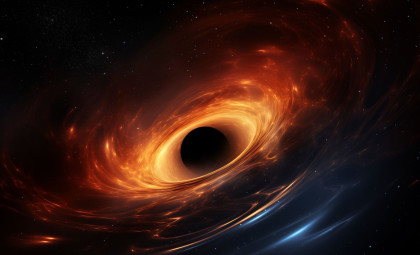
This concept redefines the typical perception of supermassive black holes as solely destructive forces. While these cosmic behemoths are famed for swallowing nearby matter, the study reveals that their extended disks might foster dust accumulation, enabling planetary bodies to form on an impressive scale.
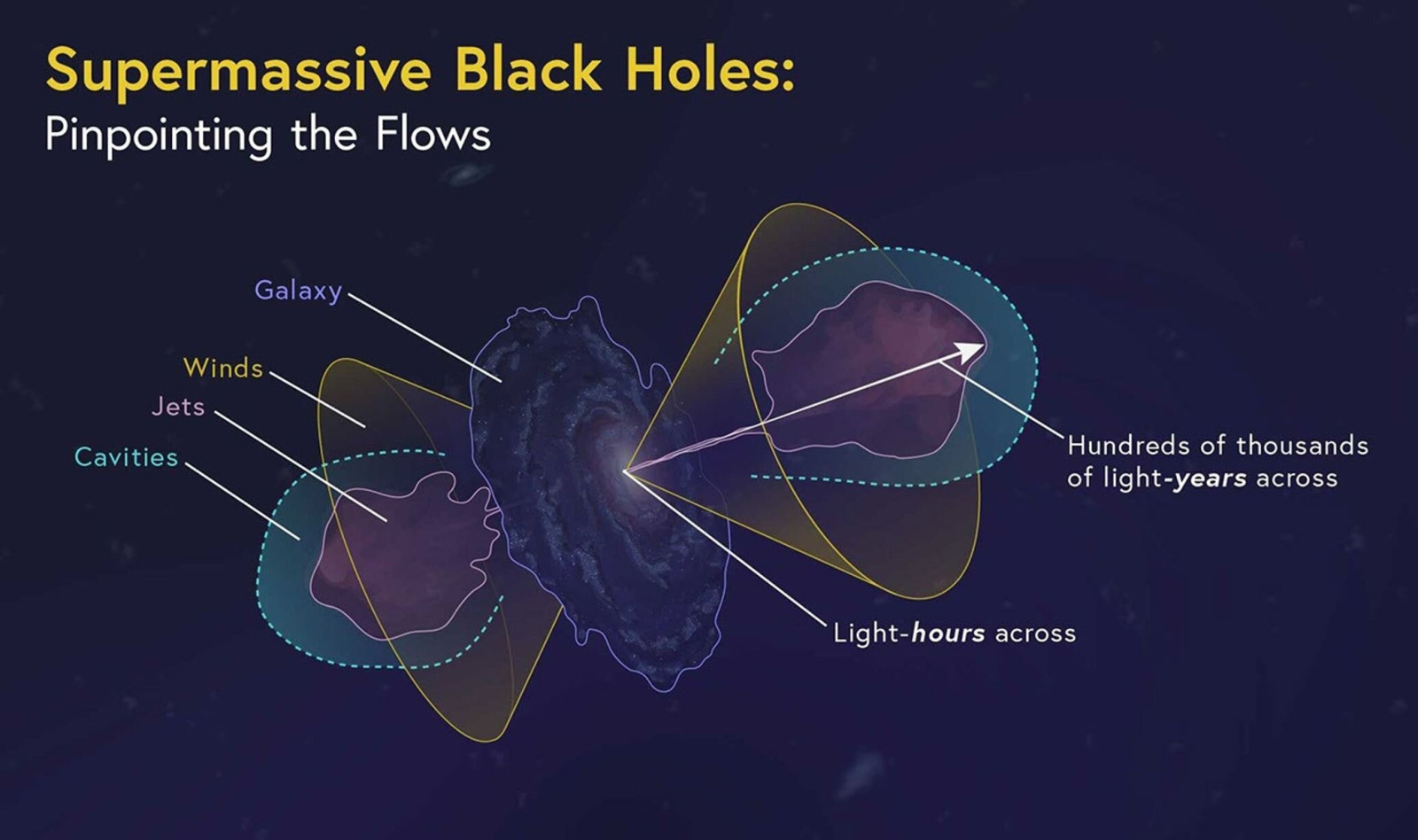
Supermassive black holes typically reside at the hearts of large galaxies. In active states, they draw in gas and dust, creating phenomena known as active galactic nuclei (AGNs).

Traditionally, planets are believed to form around young stars within rotating disks of gas and dust where particles coalesce gradually. This new investigation explores if a similar mechanism might operate in the distant, dusty rings of AGN disks.
An Unanticipated Nursery Beyond Stars
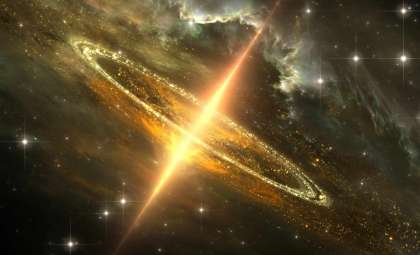
The study focuses on the distant perimeters of AGN disks, termed dust tori. According to the paper Active Galactic Nucleus Tori: Potential Birthplace to Millions of Planets, these zones exhibit temperature ranges and physical characteristics akin to those in planet-forming disks encircling young stars.
This similarity prompted researchers to probe whether dust grains in AGN tori could endure long enough to initiate planet formation. Stable dust particles might collide and stick together, gradually building larger objects, a recognized process in planet creation elsewhere.
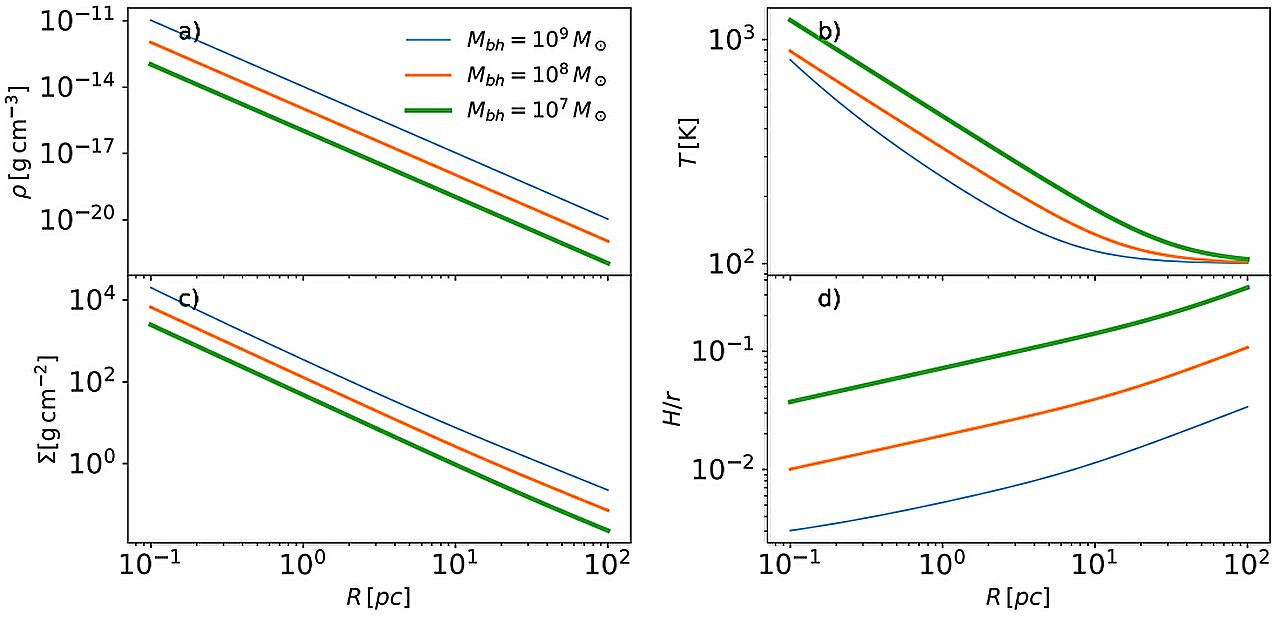
To explore this, Barry McKernan from the City University of New York and collaborators developed a magnetized black hole disk simulation incorporating temperature and gas data from the AGN’s outer ring.
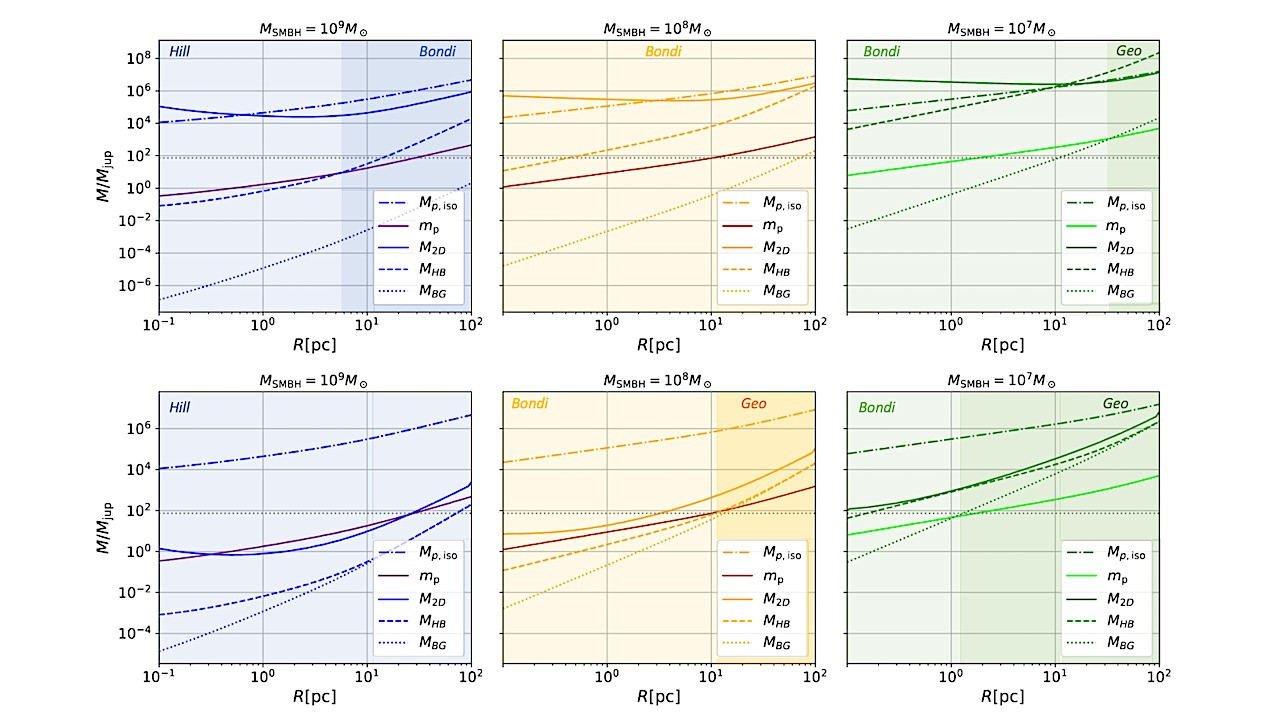
By calculating parameters essential for planet growth—such as dust aggregation rates and the probable dimensions of nascent objects—the team presents strong evidence that planet formation could indeed occur within the dusty regions enveloping active supermassive black holes.
Accelerated Planetary Growth in AGNs
Further examination considered the evolution of initial planetary bodies, estimating how they might accumulate additional dust and gas over spans of millions of years.
Results imply planets forming near AGNs could grow faster than those around typical stars. The dense material concentrations and intense gravitational forces in these environments offer a rich supply for growth. The study highlights that some planets might surpass Earth’s size substantially and even outgrow Jupiter. The authors emphasize the scale of this process by stating:
“Our approximate model suggests that AGN dust tori host the largest populations of planets in the universe.”
This statement underscores a key insight: if the modeled process functions as suggested, the dusty outskirts of active galactic nuclei could be bustling hubs where enormous numbers of planets form concurrently.
From Planets to Stars: A Possible Evolution
The authors also identify a potential evolutionary path beyond planets. Some bodies may progressively attract enough matter to reach stellar mass. The paper states:
“Vigorous accretion can occur, leading to objects with stellar masses—defining a core accretion channel for star formation.”
Under this theory, objects beginning as planet-like structures could eventually evolve into stars given sufficient accretion. The research also predicts the emergence of massive, dust-dominated objects unlike those in common planetary systems, introducing a novel class of celestial entities.
This theoretical investigation awaits empirical evidence. As Bhupendra Mishra and his team state, direct observations will be crucial to confirm whether AGN dust tori truly act as cradles for planet formation.
- Categories:
- Astronomy



0 comments
Sign in to Comment