
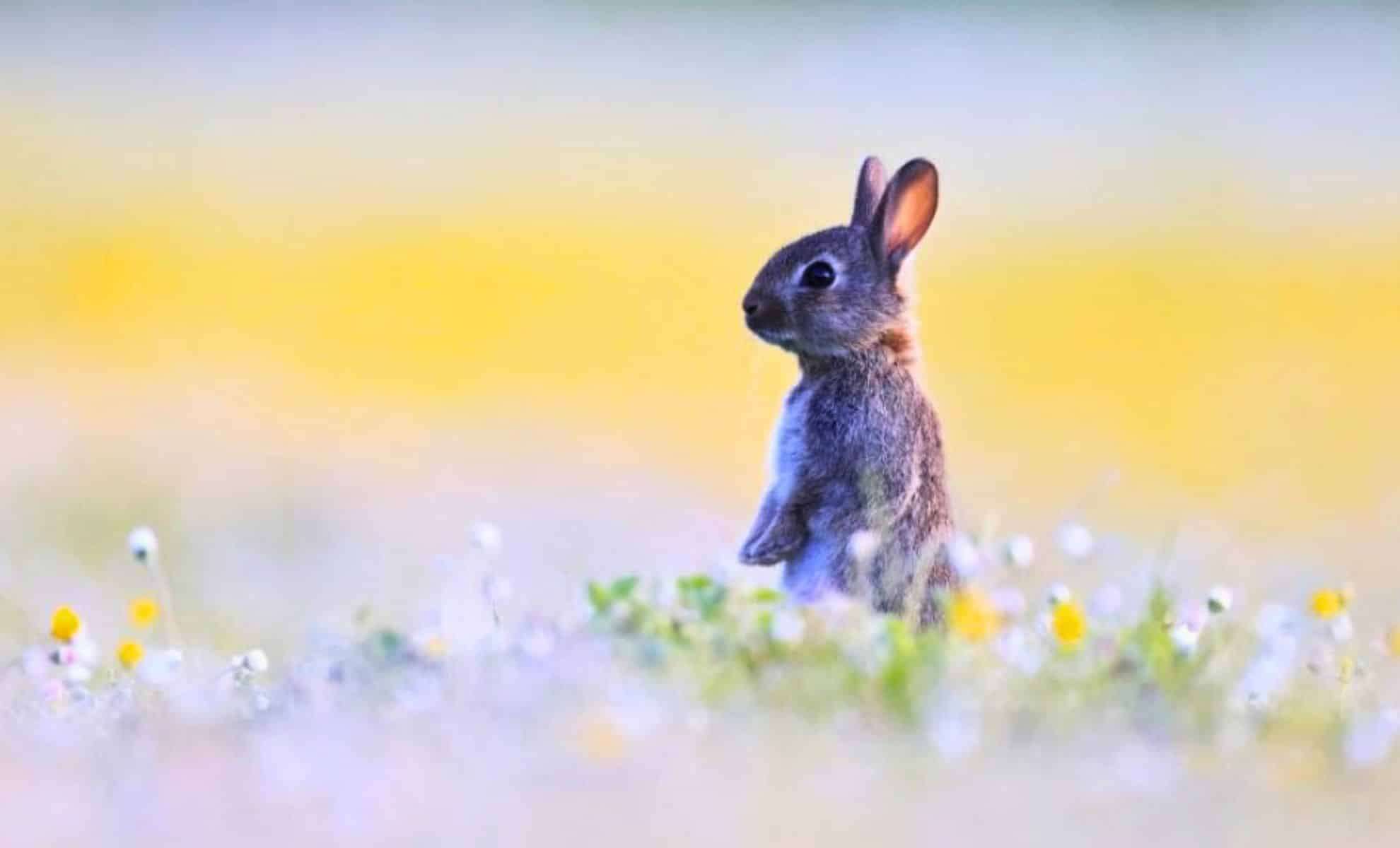
Instinct has long shaped human alertness to potential threats in the environment. However, as direct interactions with wildlife become less common, many of our fears toward animals stem more from myths and cultural stories than from actual risks. Which creatures, then, trigger the strongest reactions of fear in us, and what explains these responses?
Surprising Findings: Not Just the Dangerous Animals Spark Fear
Leading a comprehensive investigation with over 17,000 global respondents, Karl Zeller and his team sought to identify which species invoke the most fear among people.
The study, published in People and Nature, uncovered an intriguing pattern: while fear of truly hazardous animals such as venomous snakes or crocodiles was expected, equally strong fear was reported for harmless species like spiders and bats.

Participants viewed images of 184 species spanning mammals, reptiles, birds, arthropods, and amphibians, selecting the one that frightened them most. As anticipated, species posing tangible threats to humans were often chosen.
Yet a notable aspect was the intense fear directed at species that do not pose a significant danger. This suggests that cultural influences, the media, and inherited childhood anxieties play a large role in shaping our perceptions.
Origins of Fear: Innate Instinct or Learned Behavior?
The research did more than identify which animals provoke fear; it also examined the underlying causes. Evolutionary psychology points to fear as an adaptive mechanism that helped early humans avoid hazardous encounters.
Animals such as large predators and venomous snakes exhibit features like sharp teeth and bright warning colors that instinctively trigger alarm signs in humans—a legacy passed down over thousands of years.
However, many fears identified were disproportionate to actual danger. Consider spiders: despite only a very small fraction being harmful, spiders were rated as highly fearsome. This irrational dread likely stems from unfamiliarity and their often exaggerated portrayal in horror media.
The results propose that biophobia—the unfounded fear of animals—derives not solely from evolutionary drives but also social and cultural conditioning. Media stories, frightening films, and family attitudes strongly influence these feelings, which can grow distorted over time.
Impact of Demographics: Age, Gender, and Culture Shape Fear Responses
Demographic factors like age, gender, and region were found to affect how people assess threats posed by animals. Younger participants tended to fear spiders and snakes more, whereas older individuals showed heightened apprehension toward large predators such as crocodiles and tigers.
Regional differences also emerged, implying that local wildlife and traditional stories contribute to variations in fear.
Additionally, women generally expressed greater fear of snakes than men, supporting earlier research on gender-specific patterns in animal phobias.
Personal phobias, whether rooted in past encounters or learned reactions, also strongly influenced participant choices—highlighting how individual experience shapes fear.
Addressing Biophobia to Foster Coexistence
As biophobia grows, especially in urban environments, it presents challenges for both human well-being and wildlife preservation. Phobias fuel anxiety and can obstruct conservation efforts, especially for misunderstood species.
Researchers recommend reconnecting people with nature—through activities like wildlife observation and education—as a way to counteract unfounded fears. Direct contact with animals in their habitats can nurture informed and balanced attitudes towards them.
Ultimately, unraveling the complex interplay between real ecological threats, cultural influences, and personal experiences is essential for overcoming fears that hinder harmonious relationships with the animals sharing our world.
- Categories:
- Nature










0 comments
Sign in to Comment