
On March 4, 2026, radar stations overseeing the North Pacific noticed an unusual trajectory heading toward the Alaska Air Defense Identification Zone. This corridor is frequently used during extended military reconnaissance flights over the Arctic. The movement quickly triggered alerts within monitoring systems managed by both the United States and Canada.
Although the planes did not cross into national airspace, their presence within the expansive identification zone—a precautionary buffer for early threat detection—caught the attention of NORAD, the North American Aerospace Defense Command. Personnel monitored the group as it advanced toward Alaska’s northern coastline.
As the aircraft moved above the isolated Beaufort Sea region, preparations for a tactical response began. NORAD protocols require heightened readiness when unidentified military aircraft enter this area. Fighter jets were placed on standby while experts worked to verify the incoming planes’ identities.

Russian Maritime Patrol Aircraft Navigate Arctic Airspace
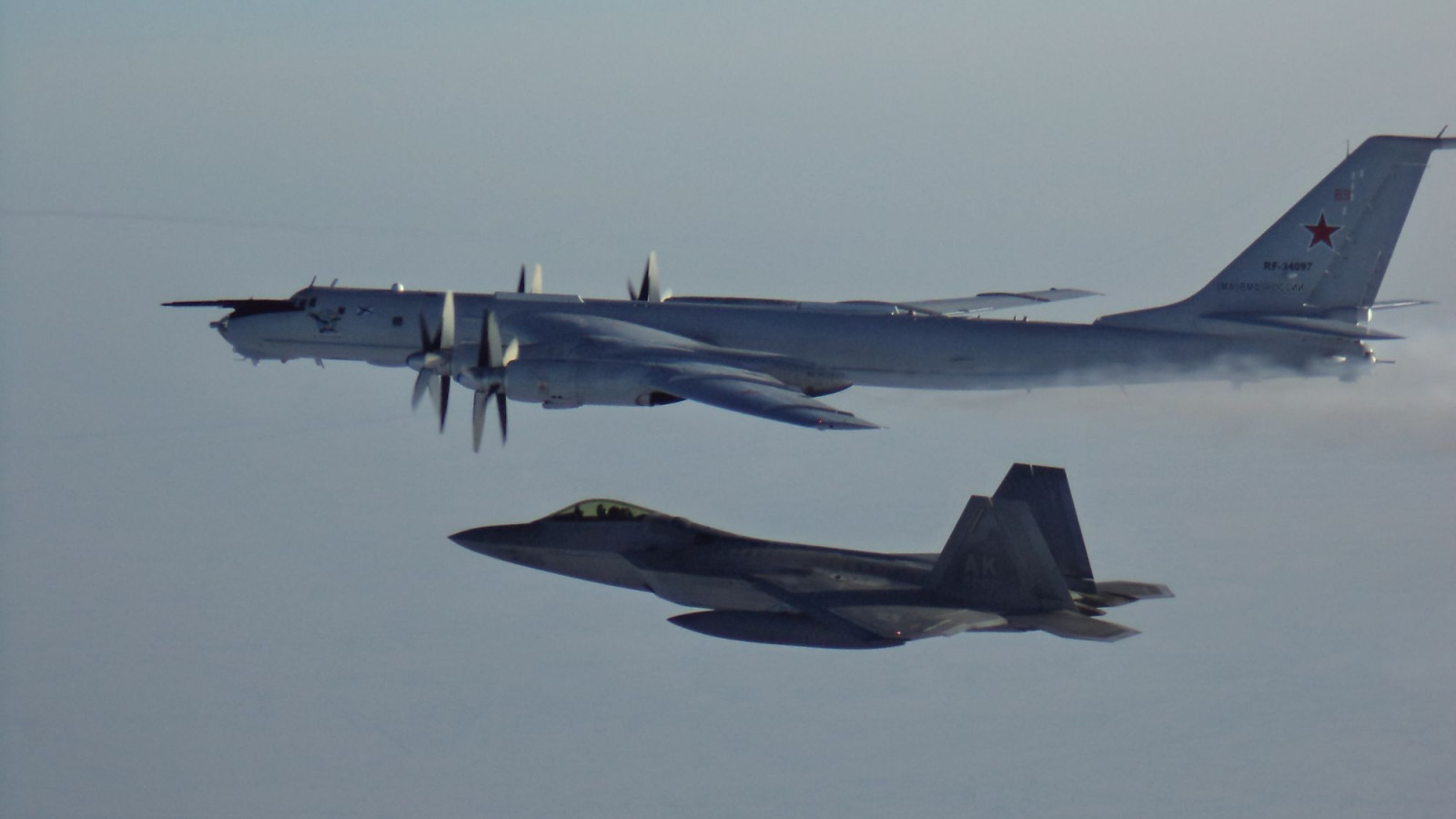
Flight data soon confirmed the planes as Tu-142 maritime patrol aircraft, operated by the Russian Navy. These long-range planes are developed from the Cold War-era Tu-95 bomber, originally constructed for strategic bombing but later equipped for maritime surveillance and anti-submarine duties.
As reported by Newsweek, the pair of aircraft entered the Alaskan ADIZ during a patrol sweeping across large portions of the North Pacific and Beaufort Sea. Within this identification zone, aircraft are expected to communicate their presence to air traffic controllers.
Spanning hundreds of miles beyond North America's sovereign airspace, the Alaska ADIZ functions as an advanced notice area, allowing military leaders to detect and identify approaching aerial objects well before they reach territorial limits.
Authorities confirmed the Russian planes remained in international airspace, yet their entry into the identification zone activated NORAD’s standard response protocols.
Cutting-Edge Fighters Deployed for Intercept
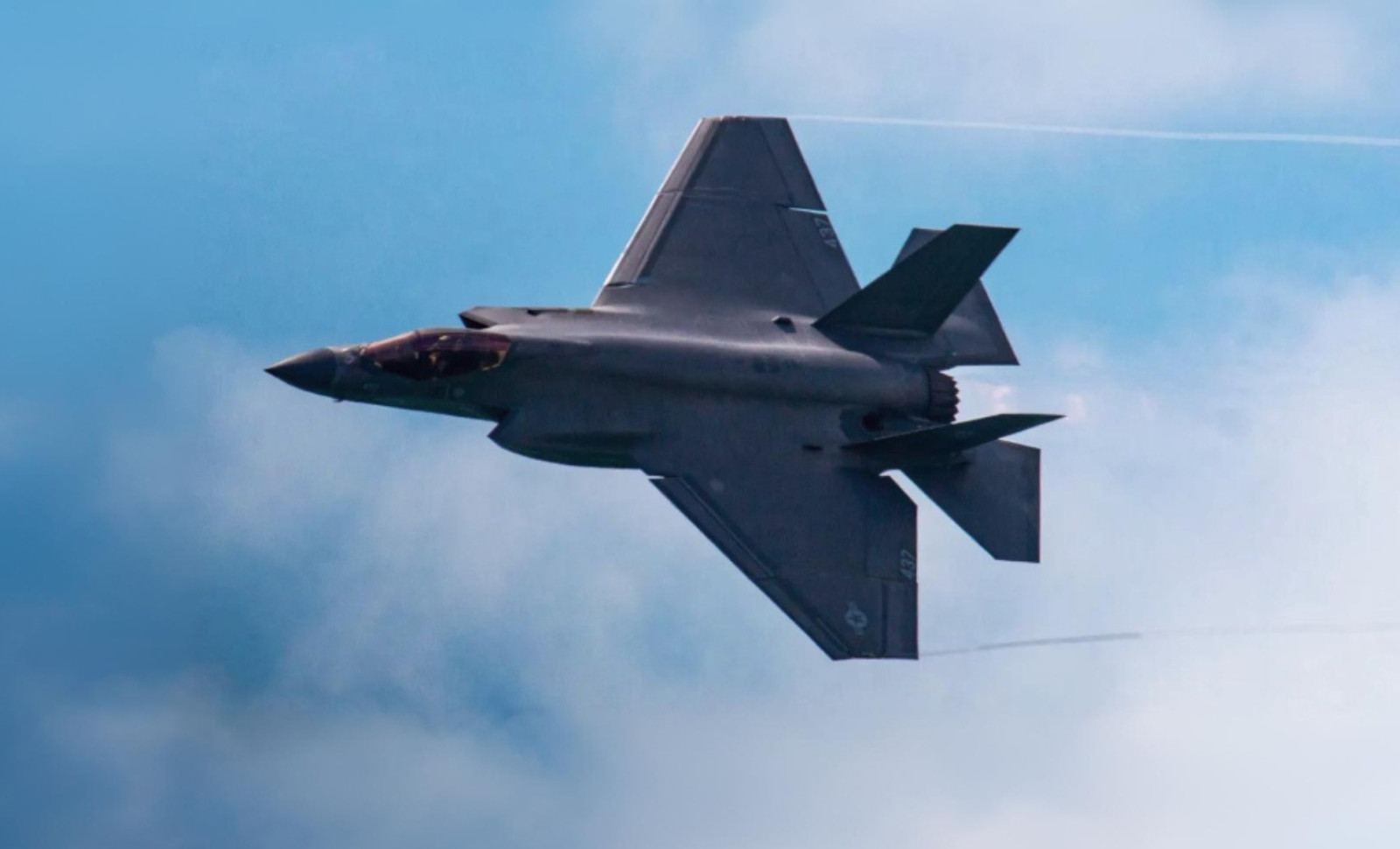
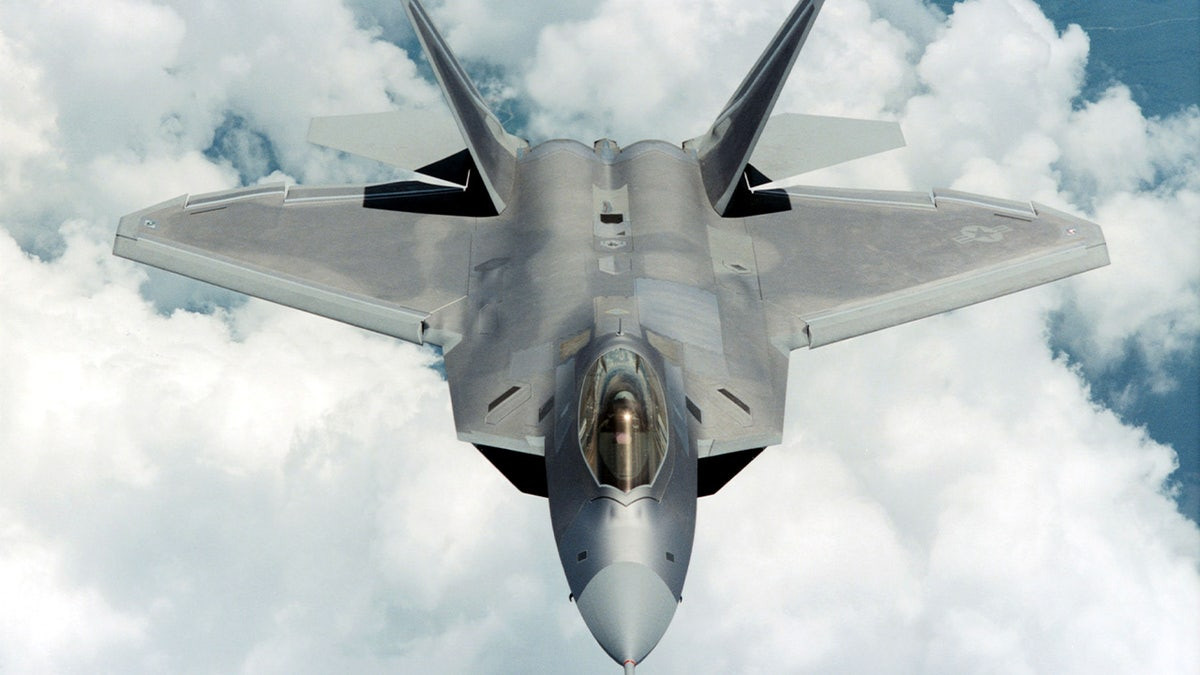
Following confirmation of the aircraft’s location inside the ADIZ, NORAD scrambled interceptors from regional bases, deploying F-35A Lightning II stealth fighters and F-22 Raptor jets operated by the U.S. Air Force. These advanced aircraft are specifically designed for high-speed interception and frequently engage in Arctic defense operations.
Meanwhile, the Royal Canadian Air Force contributed CF-18 Hornet fighters to the intercept mission, underscoring NORAD’s joint U.S.-Canadian air defense coordination.
Refueling support was provided by KC-135 Stratotanker planes, enabling the fighters to extend their patrol duration over the vast and remote Arctic territory where bases are widely spaced.
Pilots then conducted visual identification intercepts, flying close enough to verify the aircraft model and observe the flight progression through the zone.
How NORAD Monitors Arctic Airspace
Such intercepts depend on NORAD’s comprehensive surveillance network, which combines satellite observation, ground radar stations, and airborne detection platforms focused on the northern approaches to North America.
An E-3 Sentry airborne early warning aircraft played a critical role during this operation by providing airborne command and control from a high altitude. Its rotating radar dome scans the skies over hundreds of miles, directing fighters and tracking air traffic.
This airborne radar asset gave NORAD controllers a continuous, real-time overview of the Russian flight’s movements, facilitating safe positioning for the intercepting pilots.
Military sources described the interaction as professional and non-confrontational, with neither side executing aggressive maneuvers.
Ongoing Arctic Patrols Near North American Borders
Routine Russian naval aviation patrols often employ the Tu-142 due to its advanced sensors, magnetic anomaly detectors, and sonar buoys designed for detecting submarines.
These Arctic flights serve both training purposes and demonstrate Russian naval reach along key maritime corridors, at times nearing NORAD’s perimeter.
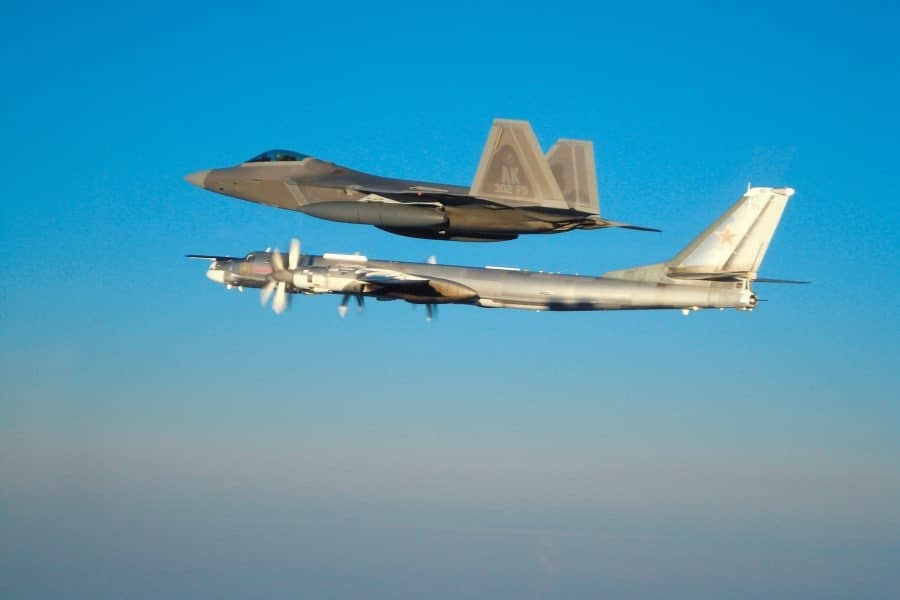
Stationed at Joint Base Elmendorf-Richardson in Alaska, the U.S. Air Force maintains a rapid-response alert team prepared for these kinds of approaches. Fighter jets can deploy swiftly when unidentified aircraft enter the Alaskan ADIZ.
The Department of Defense views these intercepts as routine surveillance activities rather than hostile encounters. Since the Russian planes remained outside sovereign airspace, the mission’s focus remained on identification and observation.
NORAD officials disclosed that similar Russian aircraft incursions into the Alaska ADIZ have been tracked and intercepted over half a dozen times in the past year.
- Categories:
- News








0 comments
Sign in to Comment