
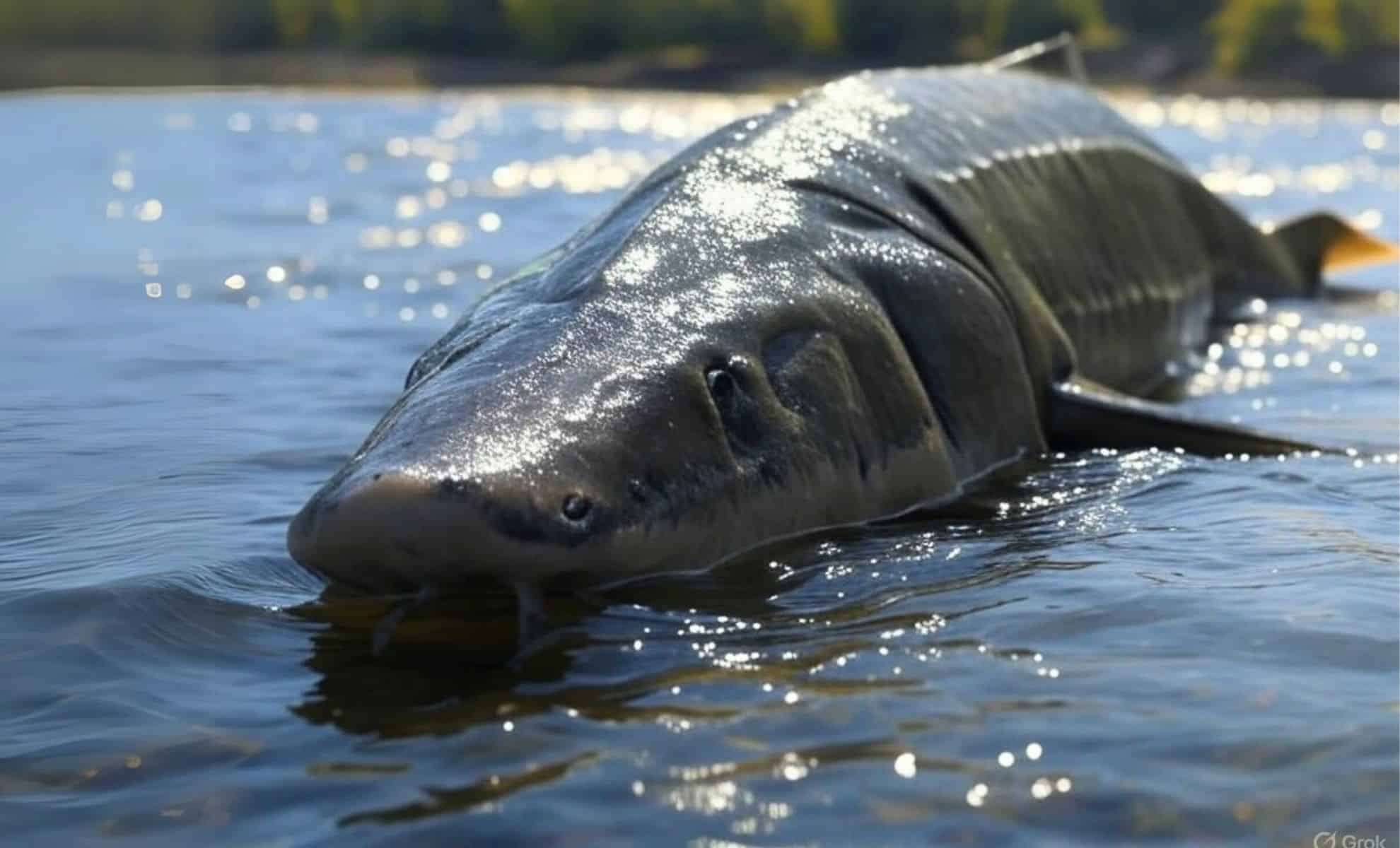
A fish species dating back to prehistoric times, known to have existed alongside dinosaurs, could still survive in a remote, muddy river segment in southern Kazakhstan. The Syr Darya sturgeon, which has not been seen since the 1960s, is currently the focus of an urgent scientific effort aiming to uncover whether it has truly evaded extinction.
An Ancient Survivor from the Jurassic Era Hidden Today
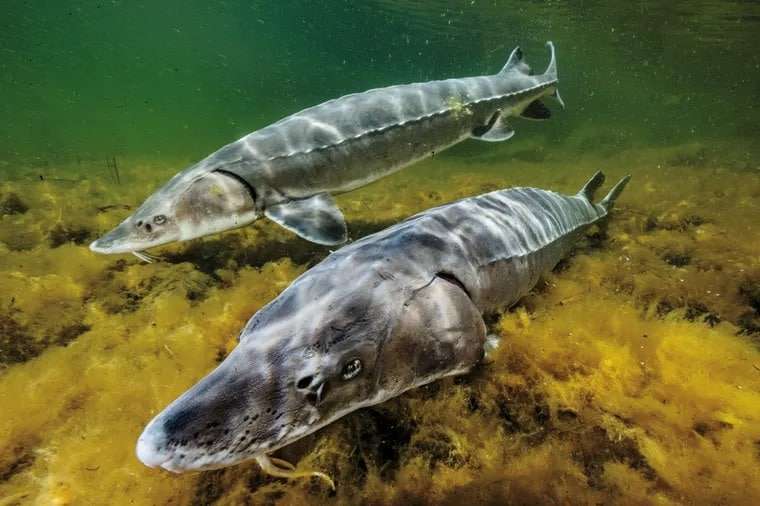
The Syr Darya sturgeon is the smallest among the 26 sturgeon species, growing up to just 22 centimeters. It features a distinctive elongated flat snout, sensory barbels, and five rows of bony scutes running along its body—traits it shares with its larger relatives, like the colossal beluga sturgeon, which can surpass 7 meters in length.
Sturgeons have endured incredible changes over 162 million years, navigating events such as the continental drift, surviving mass extinction events, and outliving the asteroid impact that eliminated the dinosaurs. Despite this astonishing evolutionary endurance, the greatest threat they currently face is caused by human activity.

Degradation of the Syr Darya Environment
Bernie Kuhajda, a biologist specializing in aquatic ecosystems at the Tennessee Aquarium Conservation Institute, visited the Syr Darya River in December driven by cautious hope and historical curiosity. He is among the few researchers who have encountered the Syr Darya sturgeon—albeit only as museum-preserved specimens located in institutions across London, Moscow, and Saint Petersburg.
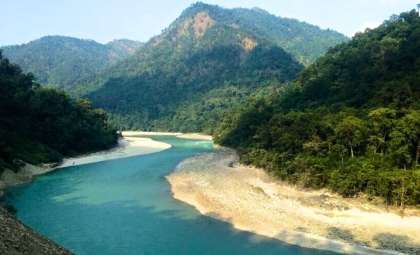
The landscape surrounding the river, dominated by dry grasses and muddy floodplains, is far from idyllic. However, Kuhajda believes that this overlooked river stretch could still harbor the fish. “I’ve seen them, yes, but only in jars,” he told the conservation organization Re:Wild, which funds expeditions searching for "lost species"—creatures not observed in over a decade but not declared extinct.
The fish’s decline corresponds with the Soviet-era construction of dams that drastically changed the Syr Darya’s natural flow. These structures blocked access to critical upstream breeding areas, permanently altered the river’s dynamics, and played a major role in the collapse of the ecosystem feeding into the Aral Sea.
Human Actions Threaten an Ancient Lineage
The global outlook for sturgeons is bleak. The International Union for Conservation of Nature (IUCN) states that 17 of 25 sturgeon species face critical endangerment, with one already vanished from the wild. Since 1970, their populations worldwide have dropped by an alarming 94%.
These fish are vulnerable due to their reproductive habits. Sturgeons travel great distances to spawn, and their larvae drift downstream after hatching. However, dams, widespread dredging, and river diversions intended for irrigation have severely disrupted these natural migration routes.
Water contamination caused by agricultural runoff and mining has also worsened conditions, introducing toxic algae blooms and sediments that damage eggs and young fish. Although the Syr Darya sturgeon is not targeted for its caviar, it has not been spared from extinction risks.
“It took merely two centuries to devastate the entire river habitat crucial for sturgeons,” Kuhajda explained. Nowadays, many species that once thrived in free-flowing waters are confined by obstacles created by human intervention—both physical barriers and ecological damage.
Clinging to Hope for a Vanishing Species
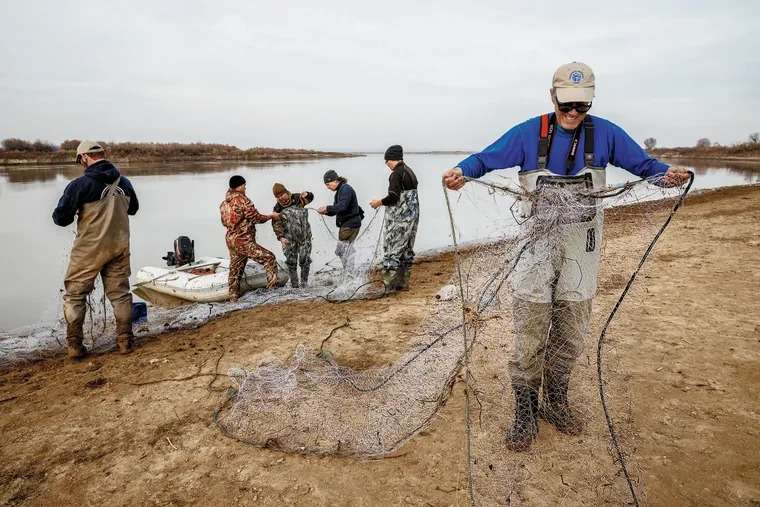
Despite bleak circumstances, Kuhajda and colleague Dave Neely remain determined. If they locate surviving Syr Darya sturgeon populations, they intend to apply successful conservation methods: capturing mature fish, fertilizing eggs in dedicated hatcheries, and raising juveniles for release. Hatchery and juvenile transport initiatives have already proven effective where spawning routes are obstructed.
Encouragement came unexpectedly during a roadside encounter with a local fisherman. After showing photos of preserved Syr Darya sturgeon, the fisherman claimed to have caught a similar fish years ago. This encounter increased the urgency of their search and kindled hope that this ancient species might still glide through the Syr Darya’s murky waters.
Armed with specially crafted nets, the researchers are meticulously scouring the river’s sediment-laden bottom. For a species that has endured 160 million years of change, its survival may hinge entirely on what lies beneath these waters today.
- Categories:
- Nature







0 comments
Sign in to Comment