
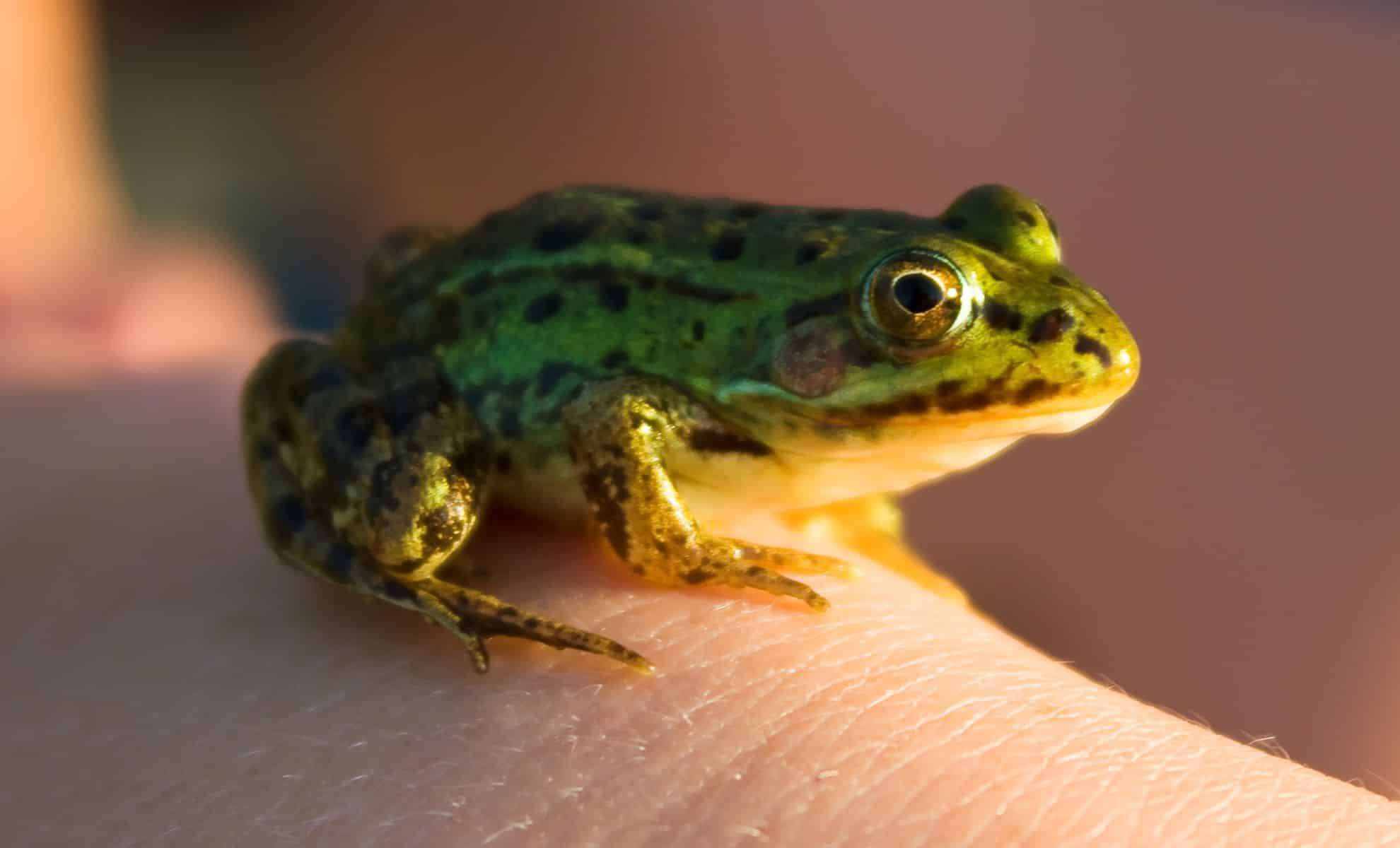
With climate change fueling stronger tropical cyclones, researchers are warning of an escalating biodiversity emergency on island habitats. A recent article in Biological Conservation highlights that some of the planet's richest island biodiversity zones are exceptionally susceptible to extinction events triggered by severe storms. Many species may be driven to extinction by just a single powerful cyclone.
Severe Cyclones Strike Critical Biodiversity Islands
The team examined global data on intense tropical cyclones with wind speeds surpassing 130 mph from 1972 through 2022. They mapped these with biologically significant hotspots — regions with high species diversity that are already under threat from human impacts.
The results were alarming: roughly 75% of these extreme storms hit island hotspots, home to unique species often confined to small geographic areas with limited options for relocation or recovery. These fragile populations face increased extinction risk due to their restricted distribution and limited numbers.

Even more concerning, over 95% of these storm events targeted five major island hotspots: Japan, Polynesia-Micronesia, the Philippines, Madagascar and Indian Ocean islands, and the Caribbean. Although Japan sees the most cyclones, it has fewer species vulnerable to such threats. Conversely, the Caribbean is hit less frequently but hosts over 128 species listed as vulnerable to storms according to the IUCN Red List of Threatened Species.
A Single Cyclone Could Erase a Species
The paper stresses that both the intensity of cyclones and ecological factors like island size and how species are spread out greatly influence extinction risk.
Species restricted to one island or specific habitats are most at risk. For example, the Bahama nuthatch (Sitta insularis), a small bird dwelling in forests, possibly went extinct after Hurricane Dorian devastated its remaining habitat in 2019.
The study warns that multiple species face this threat. A new watchlist identifies 60 species limited to a single island location and officially recognized as threatened by storms. For these species, the next major tropical cyclone "could be their last."
Protection Lags for Many Vulnerable Species
Despite the urgency, just 24 of the 60 species on this watchlist currently benefit from conservation programs, and only six are supported through captive breeding. This leaves most highly vulnerable species without sufficient safeguards against future cyclones.
To address this, scientists recommend establishing a specialized IUCN task force focused on improving disaster preparedness, enabling swift conservation responses, and coordinating international resources. Proactive and targeted interventions could reduce cyclone impacts, supporting ecosystem recovery and human communities.
Enhanced information on where species occur and their sensitivity to storms will be essential for developing effective strategies to prevent unnoticed extinctions caused by intensified cyclones.
- Categories:
- Nature




0 comments
Sign in to Comment