
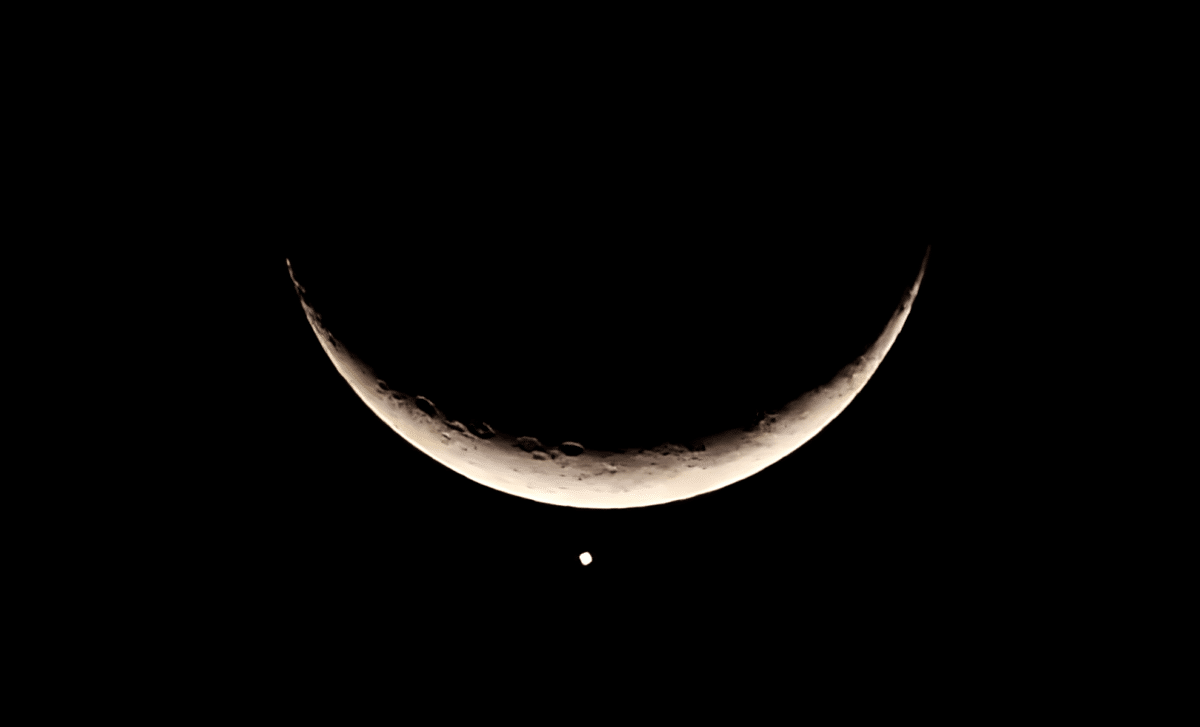
This June, skywatchers across the Americas will witness an extraordinary celestial event as the Moon obscures Venus, causing the brilliant planet to momentarily vanish from sight. This rare lunar occultation, alongside a series of exciting planetary alignments and the arrival of astronomical summer, promises captivating views for astronomy enthusiasts.
Venus and Jupiter Draw Near in Early June
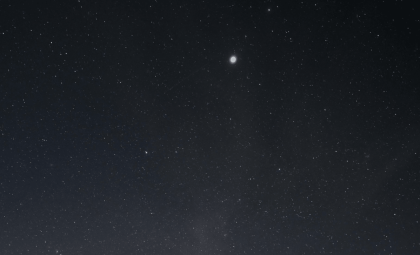
At the start of the month, observers can enjoy a stunning planetary pairing as Venus and Jupiter appear side by side in the evening western sky. On June 9, NASA highlights how the two brightest planets will be virtually adjacent, offering an impressive spectacle of cosmic alignment visible to the naked eye. Despite their vast distance apart, their positioning along the ecliptic will create the illusion of a concentrated planetary cluster.
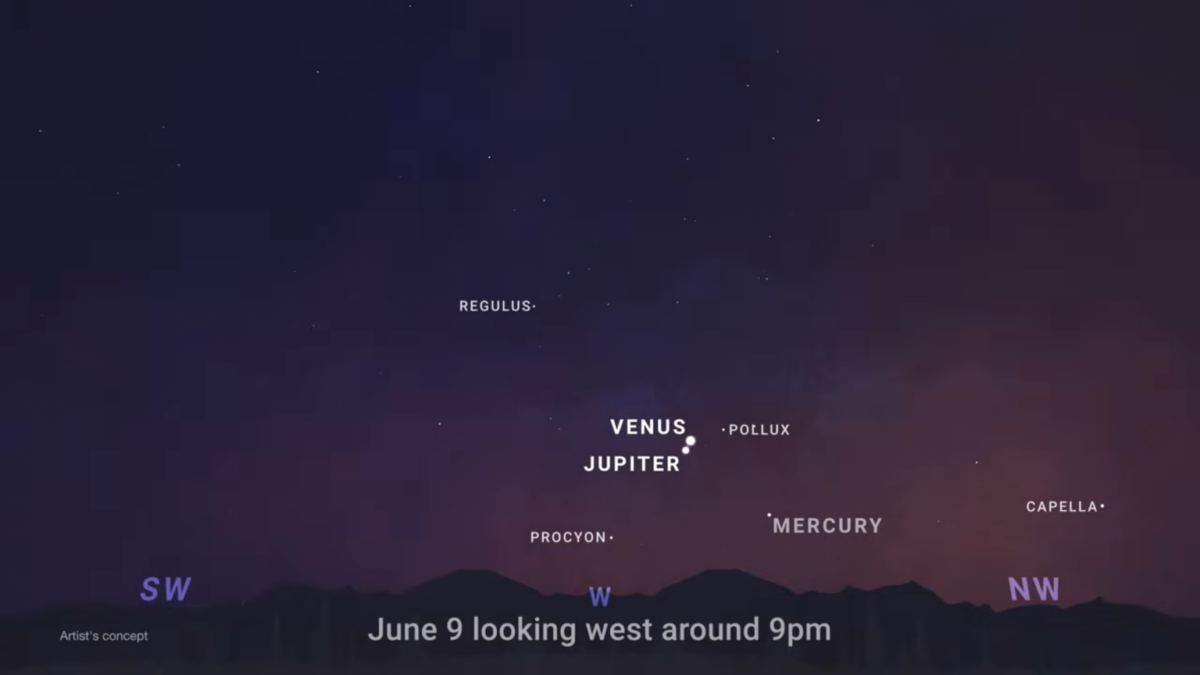
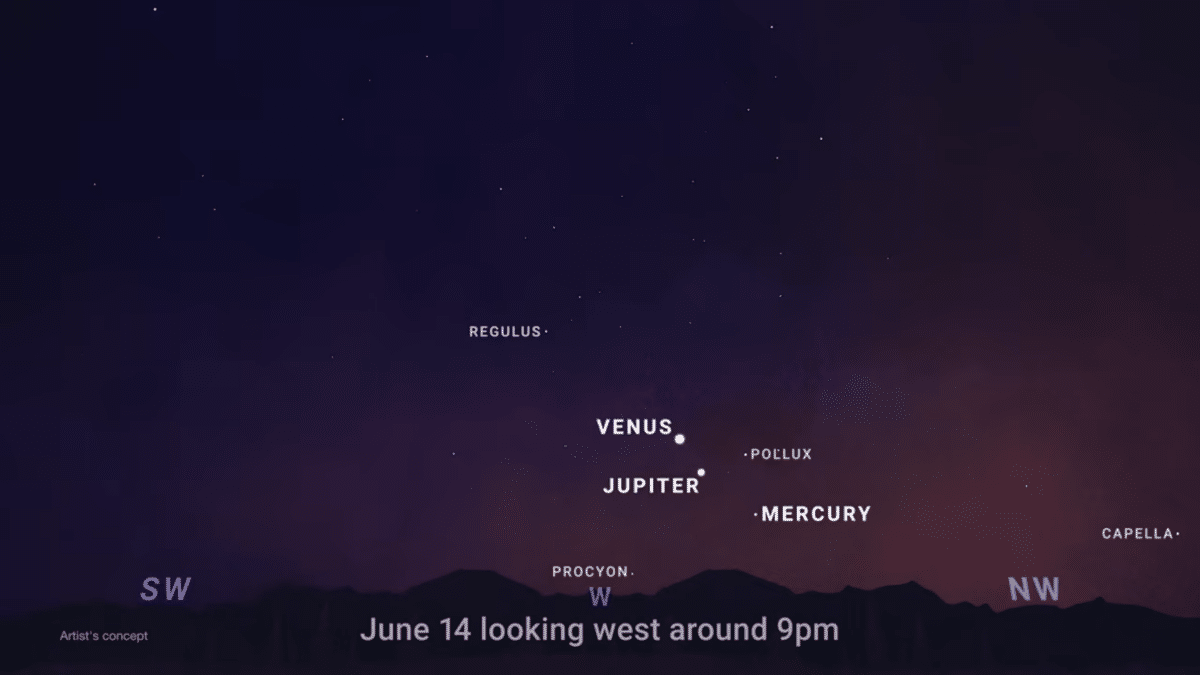
Between June 11 and 15, Mercury joins this celestial dance, resulting in a rare trio of planets close together. Venus shines brilliantly, Jupiter twinkles nearby, and Mercury stays close to the horizon, often requiring clear skies and sharp eyes to spot before twilight fades. This planetary lineup underlines the ever-shifting yet predictable nature of our solar system’s movements, offering a striking view for stargazers.

Venus Occults Behind the Moon on June 17
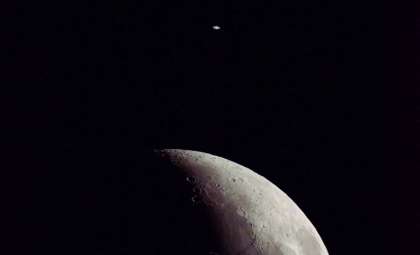
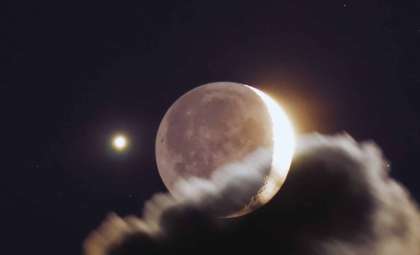
The highlight of the month occurs on June 17, when the Moon crosses in front of Venus, causing the planet to disappear from view temporarily for those in parts of the United States, Canada, Brazil, and Venezuela. This lunar occultation creates a mesmerizing effect, as Venus seems to vanish and then reappear, as if the night sky is performing a cosmic illusion.
According to ScienceDaily, such events are uncommon, and even outside the direct viewing area, Venus and the Moon will remain unusually close, offering spectacular views for both amateur astronomers and casual sky observers. Observing during daylight requires extreme caution to avoid directing telescopes or binoculars near the Sun without proper protective equipment, as this can cause serious eye injury.
Summer Solstice Ushers in the Northern Hemispheric Astronomical Summer
On June 21, the summer solstice arrives at 1:24 a.m. Pacific Time, marking the official start of astronomical summer in the Northern Hemisphere. This day features the longest period of sunlight and the shortest night, showcasing Earth’s axial tilt and its orbit around the Sun. The solstice impacts how celestial bodies appear in the night sky and influences daylight duration.
Interestingly, the longest day doesn’t always coincide with the earliest sunrise or latest sunset. Cities like Los Angeles experience shifts in these times slightly offset from the solstice, illustrating the complex mechanics of Earth’s rotation and revolution. The solstice also sets a perfect scene for summer stargazing, offering warm evenings and extended daylight for observation enthusiasts.
Spotting Deep-Sky Wonders and the Summer Triangle
As the nights grow later in June, the Summer Triangle—formed by Vega, Altair, and Deneb—rises prominently, leading observers to notable deep-sky features. Highlights include the Dumbbell Nebula (M27), Ring Nebula, North America Nebula, and Veil Nebula, each revealing beautiful stellar phenomena.
The Dumbbell Nebula, a classic planetary nebula, displays a glowing cloud of expelled gas from a dying star. With the aid of a telescope or long-exposure photography, enthusiasts can see intricate structures, glowing filaments, and distant star clusters. As noted by ScienceDaily, these cosmic highlights combined with planetary events make June an exceptional period for both beginner and seasoned stargazers to explore the night sky.
Tips for Observing June’s Celestial Events
To fully appreciate June’s astronomical offerings, choose locations with unobstructed horizons for planet spotting and prepare your gear carefully for the lunar occultation event. Utilizing apps, star charts, and observing guides can enhance timing and navigation. Photographers may benefit from long exposure shots and wide-angle lenses to vividly capture planets and deep-sky marvels, freezing the motion of celestial dancers in the heavens.
With planetary alignments, a rare Moon-Venus occultation, and engaging deep-sky objects all visible, June invites everyone to gaze upward and enjoy one of the sky’s most vibrant times of the year. From the western horizon’s twilight glow to the Summer Triangle’s starry height, this month offers a unique visual journey into our universe.
- Categories:
- News

0 comments
Sign in to Comment