
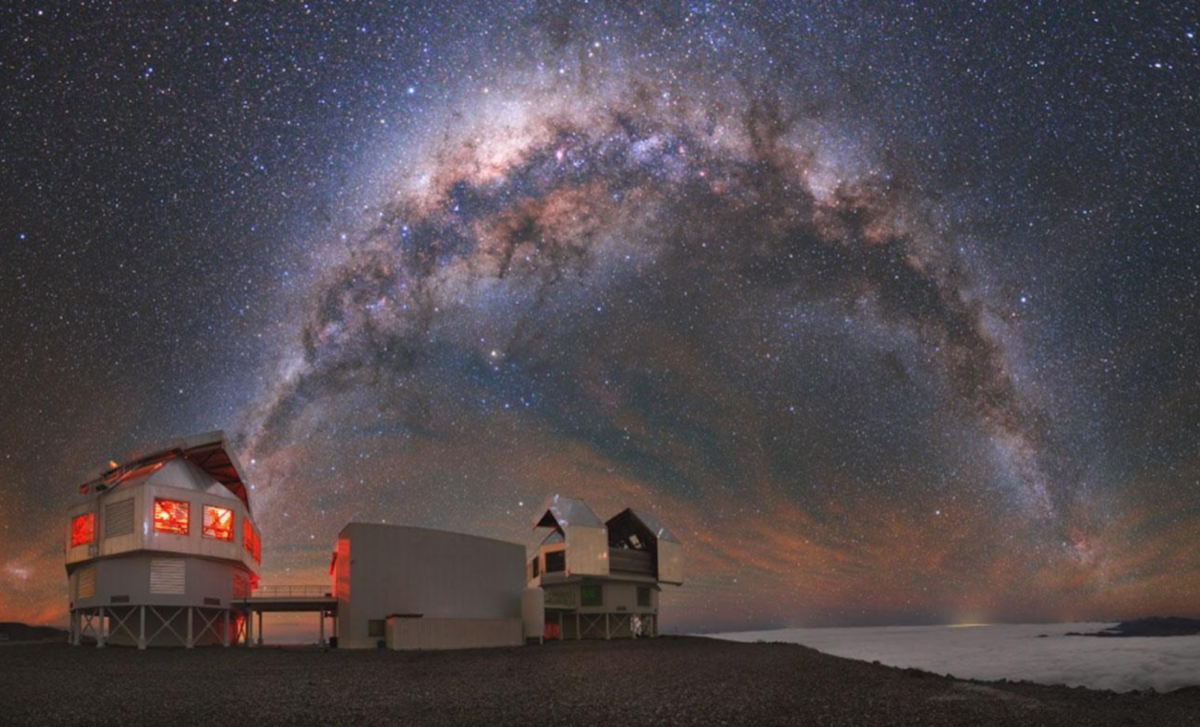
A state-of-the-art instrument designed to analyze the atmospheres of far-off exoplanets is approaching readiness, representing a significant advancement in the field of exoplanetary research. Featured in a publication presented at the SPIE Astronomical Telescopes + Instrumentation conference in Copenhagen, entitled “From assembly to first light: integration, testing, and commissioning of the Henrietta Exoatmosphere spectrograph”, the Henrietta spectrograph is set to provide unmatched detail in atmospheric measurements. An accompanying paper, “Control architecture for Henrietta spectrograph on the Swope Telescope”, describes the advanced control systems behind its operation, establishing Henrietta as a groundbreaking device in the quest to identify potentially habitable exoplanets.
Beyond Basic Planetary Metrics: A New Approach
Traditionally, exoplanet investigations have focused mainly on size and mass to categorize these distant planets, yet these parameters alone fall short in revealing their true nature. The Henrietta spectrograph has been created to overcome this obstacle by enabling in-depth atmospheric studies, revealing atmospheric gases, temperature profiles, and possible indicators of life with higher accuracy. Spearheaded by scientists at the Carnegie Observatories, this project exemplifies cutting-edge progress in astronomical instrumentation.
“Mass and size only tell you so much,” said Dr. Jason Williams, a postdoctoral fellow at Carnegie Observatories and the scientific and technical lead of the Henrietta project. “If you measured Earth and Venus that way, you’d think they were almost the same planet. But we know their atmospheres—and their conditions—are completely different.”
Add Cosmo Herald as a Preferred Source

This insight highlights a key hurdle in exoplanetary science: planets may share similar bulk characteristics yet differ dramatically in their environmental conditions. Henrietta aims to bridge this gap by providing detailed atmospheric profiles, transforming distant celestial bodies into distinct worlds with unique chemical identities.
Precision Engineering for Initial Observations
Building Henrietta has involved a meticulous process of assembly, system integration, and comprehensive testing before achieving the milestone known as “first light,” the initial collection of astronomical data. As detailed in the Copenhagen conference paper, the instrument has been carefully calibrated to identify faint spectral features produced when starlight passes through an exoplanet’s atmosphere during transit.
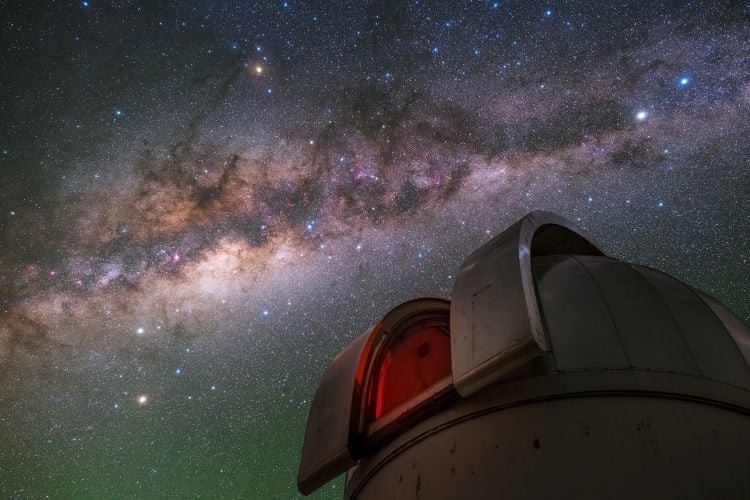
Installed on the Swope Telescope, Henrietta incorporates a specialized optical system designed for exceptional stability and sensitivity. Its spectrograph divides incoming light into detailed wavelength components, uncovering molecular signatures like water vapor, carbon dioxide, and methane. Such data are instrumental in pinpointing exoplanets that may support life or challenge current theories about planet formation.
This instrument exemplifies a trend in astronomy towards developing targeted, high-precision equipment that complements large observatories. While not the largest, Henrietta’s accuracy and versatility promise to make it a highly productive asset in planetary studies.
Advanced Control Systems Powering Performance
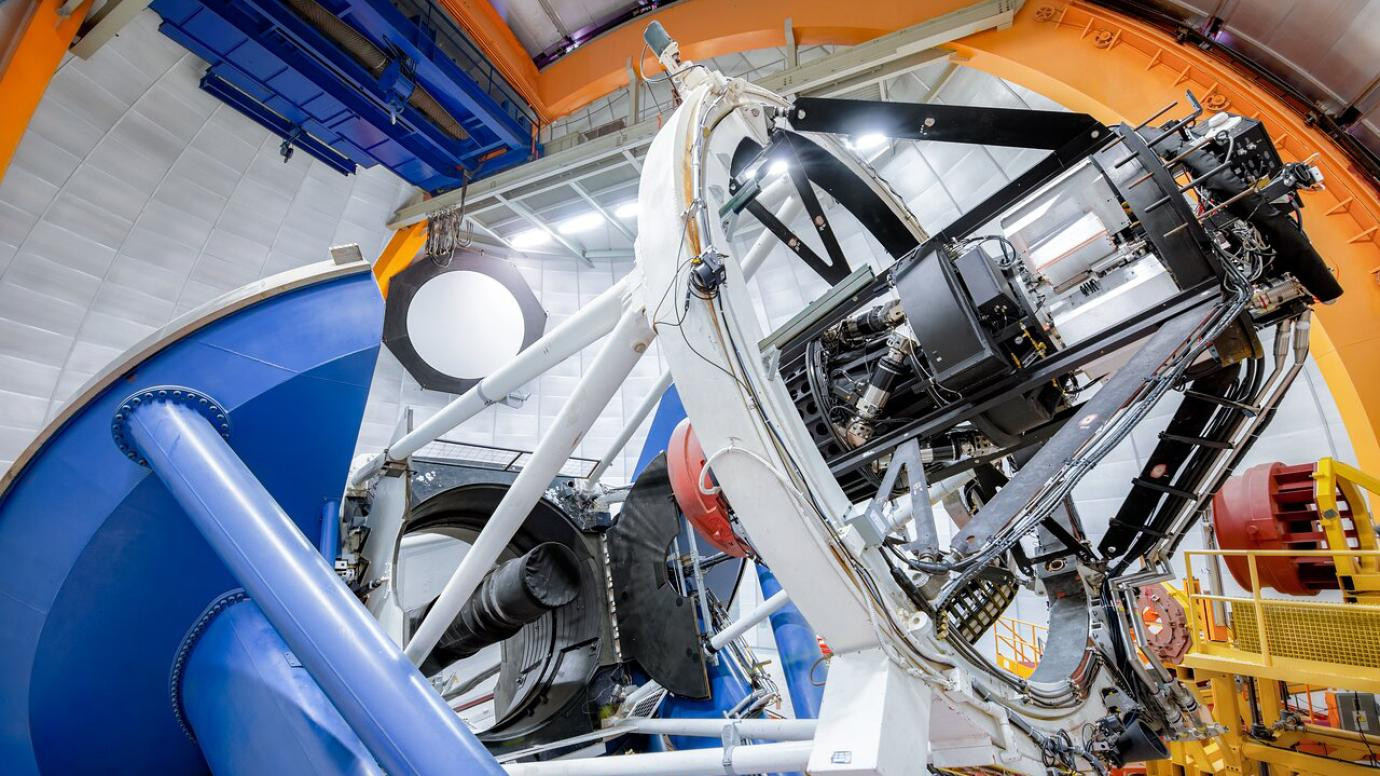
The second paper, “Control architecture for Henrietta spectrograph on the Swope Telescope,” delves into the intricate control systems that synchronize the instrument’s mechanical parts, optics, and software. This ensures stable and accurate observations even under fluctuating environmental conditions.
The control technology enables real-time adjustments compensating for temperature shifts, mechanical movement, and atmospheric variables, crucial when detecting faint signals that could easily be masked by instability. By blending automated controls with operator input, the system achieves an optimal balance of precision and adaptability for efficient scientific campaigns.
This integration of intelligent hardware and software showcases the cutting-edge approach modern astronomy takes to maximize observational effectiveness. Henrietta’s success relies not only on its optical innovation but equally on these smart management systems.
A Transformative View of Exoplanet Atmospheres
Henrietta comes at a pivotal moment as exoplanet science expands rapidly, propelled by discoveries from missions like Kepler and TESS. While thousands of planets have been found, detailed knowledge of their atmospheres remains limited. Instruments like Henrietta step in to close this gap, providing comprehensive atmospheric insights across diverse star systems.
By focusing on atmospheric measurements, Henrietta enhances the capabilities of larger space observatories and contributes crucial data to understand the galaxy’s planetary variety. Its observations may unveil novel chemical profiles, atmospheric behaviors, or even hints of habitability, enriching our understanding of planetary evolution.
As Henrietta moves into full operation, it embodies more than a new technological achievement—it represents a major advance in exploring the characterize of worlds beyond our own. Unlocking these atmospheric secrets brings astronomers closer to answering what alien planets are truly like.
- Categories:
- Extraterrestrial life










0 comments
Sign in to Comment