
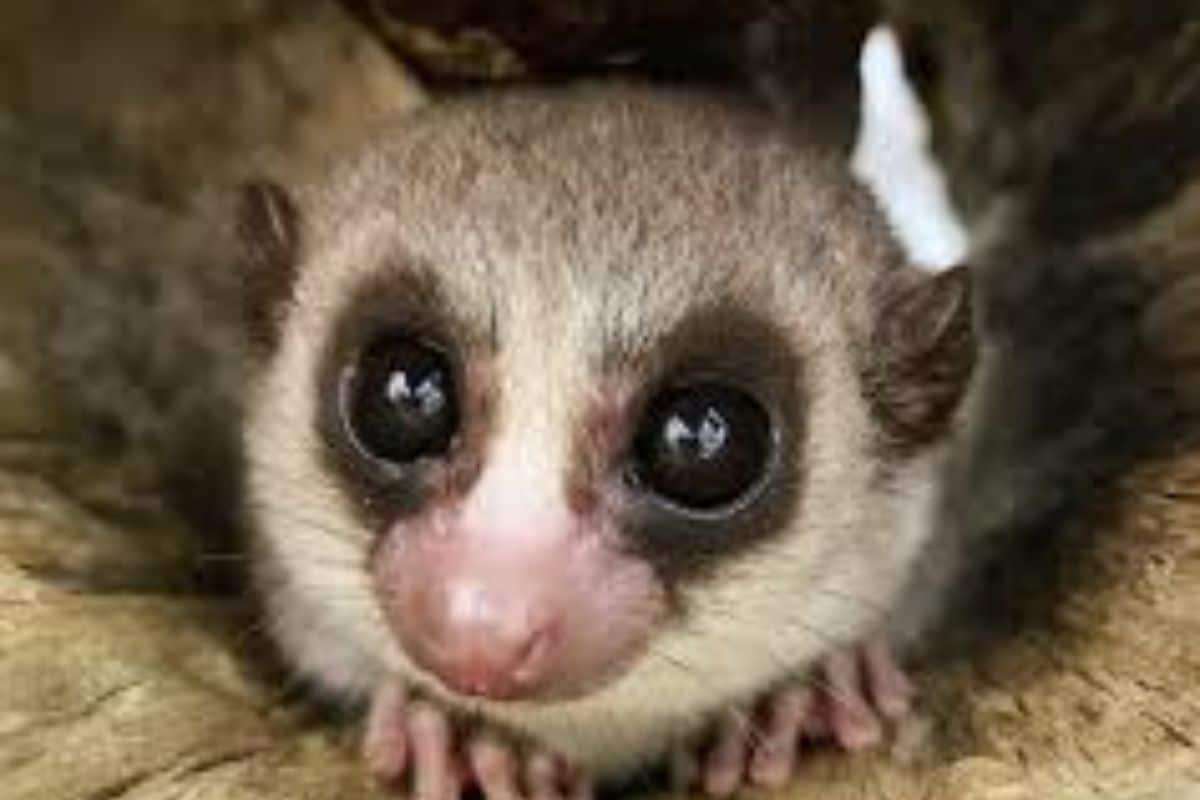
A diminutive lemur from Madagascar could reveal groundbreaking insights into how aging might be delayed, based on a remarkable cellular trait observed during its prolonged hibernation periods.
Scientists from Duke University and the University of California, San Francisco discovered that the fat-tailed dwarf lemur experiences an extension of its DNA’s protective tips, known as telomeres, while in a state of dormancy. This suggests a temporary restoration of youthful cellular function.
An Uncommon Hibernator Among Primates
The fat-tailed dwarf lemur, comparable in size to a hamster, stands out as one of the few primate species known to hibernate. Each year, it retreats into tree cavities or underground nests, enduring the food shortages of Malagasy winters by entering a multi-month torpid state.
Unlike many animals that simply reduce metabolism in tough conditions, this lemur may also slow down or reverse cellular aging during hibernation.
Cellular Renewal Triggered by Hibernation
The research detailed in Biology Letters focused on telomere dynamics in 15 fat-tailed dwarf lemurs housed at the Duke Lemur Center.
By simulating hibernation using cool temperatures and artificial burrows, scientists noticed an intriguing find: the lemurs’ telomeres lengthened during deep, continuous torpor. This suggests that entering profound hibernation may be linked to cellular rejuvenation.

Brief Cellular Youth with Broader Impact
Though the telomere lengthening was temporary, reverting back within two weeks post-hibernation, it introduces a unique period of restored cellular vitality. Lead researcher Marina Blanco proposes that this process might help repair cellular stress inflicted by cycles of warming after torpor — similar to reviving a cold engine.
This ability could explain the fat-tailed dwarf lemur’s remarkable lifespan, often approaching 30 years, compared to 12–13 years for other small primates that do not hibernate.
Decoding the Biological Mechanism
While the precise biological pathway enabling telomere extension in the lemur remains unclear, the findings are promising. Similar telomere length increases have been observed in humans undergoing extreme environments, such as astronauts aboard the International Space Station and aquanauts spending prolonged periods underwater.
Unraveling how the lemur naturally enhances telomere length without inducing uncontrolled cell growth may pave the way for therapies targeting age-related diseases and degenerative tissue conditions.
As the global population ages, identifying natural examples of cellular maintenance and regeneration is critical. The fat-tailed dwarf lemur, with its unique physiology and close genetic ties to humans, offers a novel path toward improving healthspan, focusing on prolonging the period of life spent in good health rather than simply extending lifespan.
- Categories:
- Nature










0 comments
Sign in to Comment