
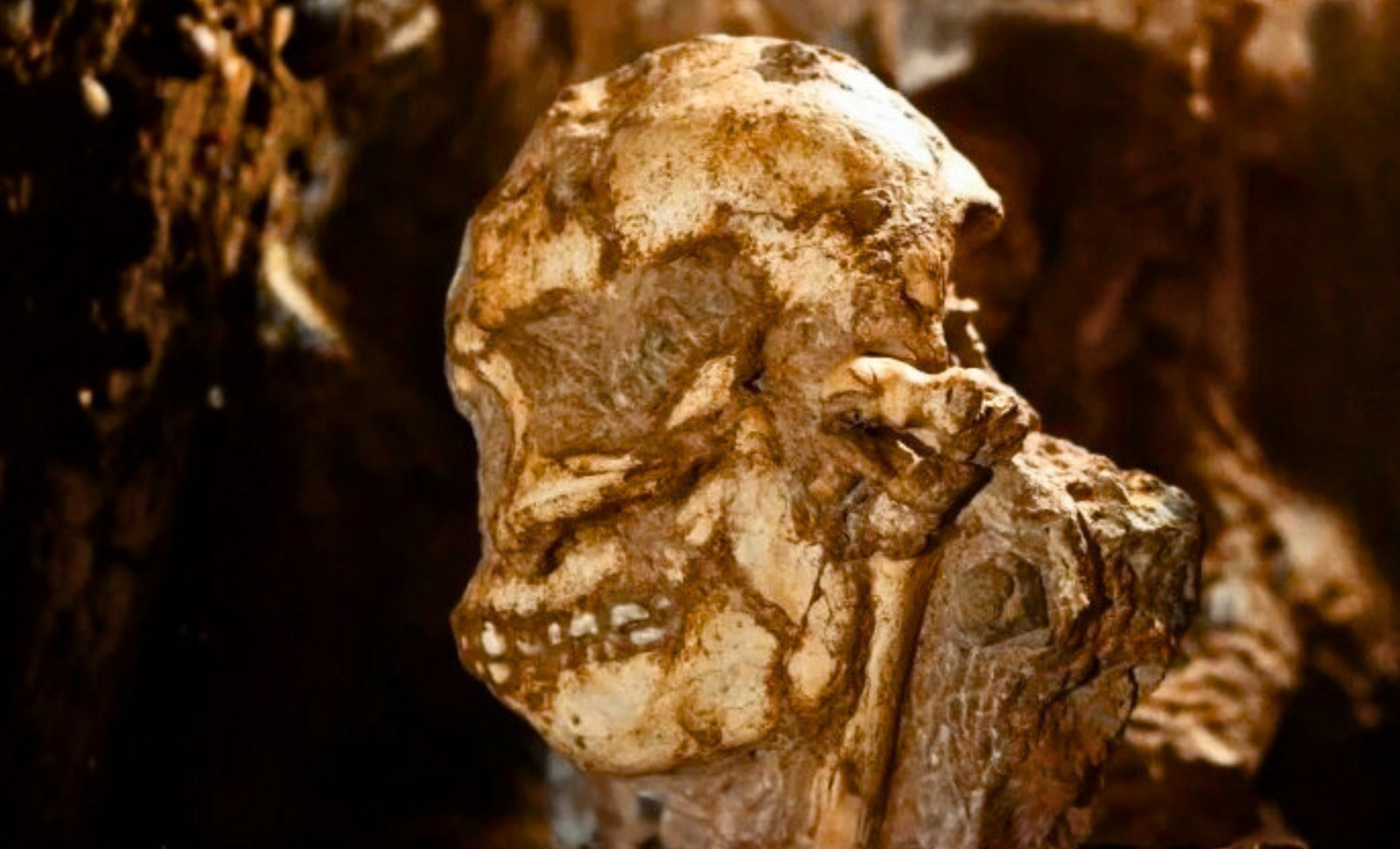
Experts have digitally scanned a fractured fossil skull with exceptional detail, allowing each fragment to be precisely repositioned. The fossil, known as Little Foot, is estimated to be 3.67 million years old. This digital reconstruction aimed to overcome a major challenge: the face had been so severely distorted that traditional physical restoration methods posed a risk of damage. The team sought a way to digitally restore the original anatomy without applying pressure to the fragile bones.
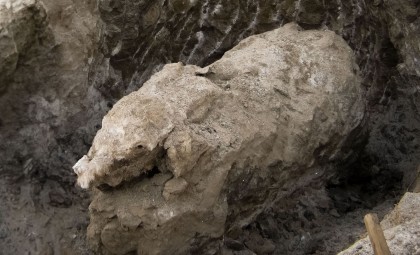
The skull, designated as StW 573, was discovered in the Sterkfontein Caves within South Africa’s Cradle of Humankind. Although Little Foot is recognized as one of the most intact early hominin skeletons, its facial area remained difficult to interpret because long-term geological forces had warped key features. This distortion made it challenging to conduct direct comparisons with other early Australopithecus faces.
As described in a popular Earth.com article, the reconstruction process began with the main hurdle: while the facial bones were preserved, their original positioning was lost. The critical breakthrough was not artistic skill but precise measurement, enabling researchers to handle a virtual reconstruction as reliable data rather than a delicate artifact.

Blending Scientific Study with Public Engagement
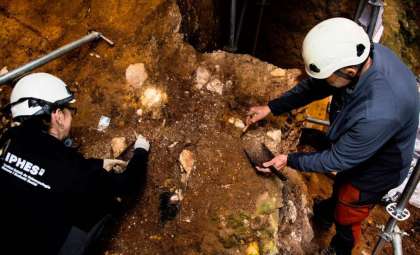
Little Foot was excavated from a still-active research location closely affiliated with the University of the Witwatersrand. This discovery site, Sterkfontein, lies near Johannesburg within an important area dense with hominin fossils that have fundamentally influenced the understanding of early human evolution in southern Africa.
The region also supports educational outreach. The Maropeng Visitor Centre serves as an entry point for visitors eager to learn why this location holds worldwide significance while excavation and research continue below ground. Sterkfontein is unique in that it combines in-depth scientific investigations with public storytelling in close proximity.
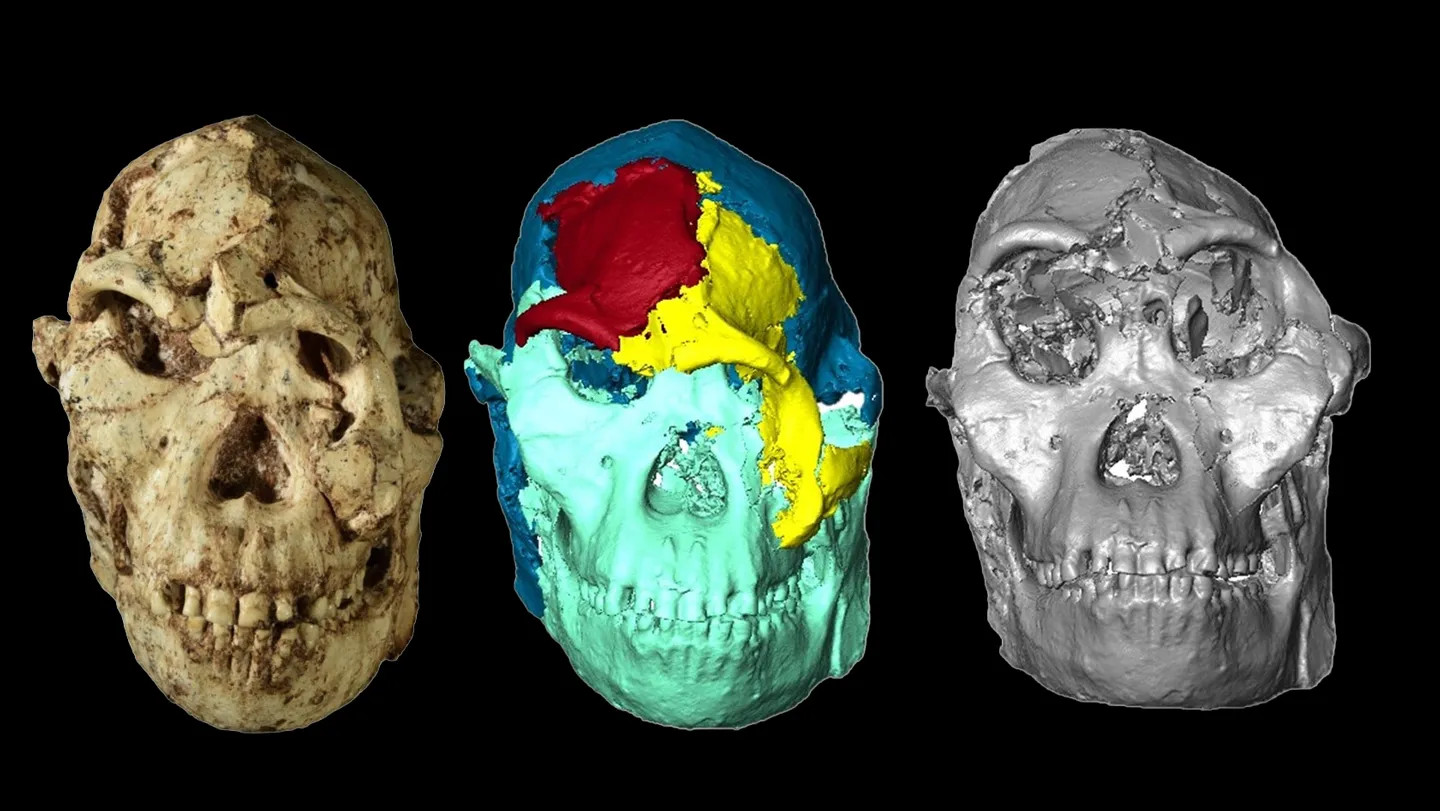
Reconstructing Little Foot’s face presented a significant challenge because deformities like inward-shifted cheekbones or compressed eye sockets can make the skull appear to have different morphological traits. The reconstruction strategy focused on modeling and correcting the distortions digitally while thoroughly documenting the process instead of ignoring or masking them.
Advanced Imaging Unlocks a Precise Map of the Skull
To obtain high-resolution data of the fossil, the team transported Little Foot to Diamond Light Source, a synchrotron facility in the UK renowned for its powerful, tunable X-ray beams used in various scientific fields. This technology was crucial for identifying fine details inside the complex, damaged fossil where small inaccuracies could significantly affect reconstruction.
Using synchrotron X-ray imaging, researchers generated a 3D dataset capable of virtually separating individual bone fragments. They then employed supercomputing resources and semi-automated techniques to piece the fragments back together into a coherent facial structure, avoiding permanent physical manipulation. The CNRS highlighted that this meticulous digital assembly was an extensive, multi-year effort rather than a quick graphical fix.
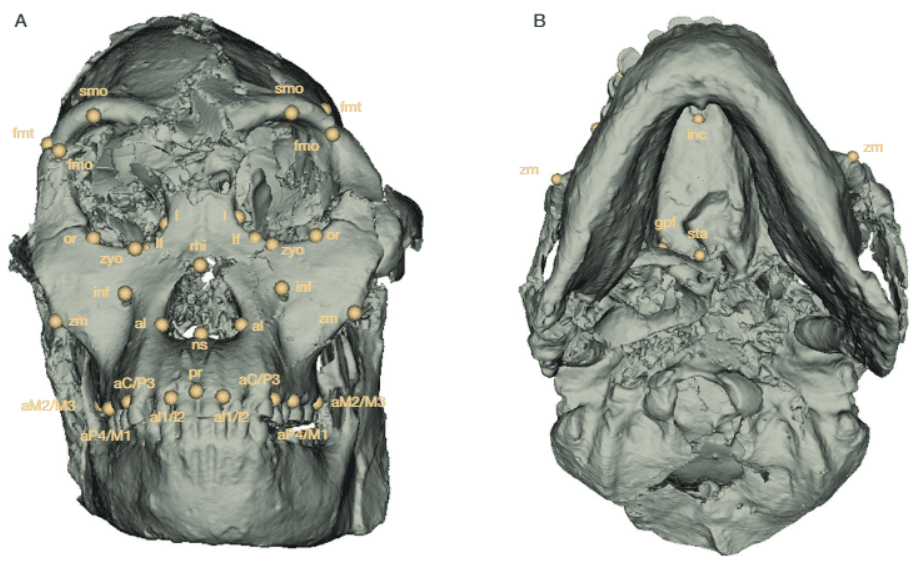
The final digital model achieved an impressive resolution of 21 microns. According to CNRS, the reconstruction required over five years of dedicated work. This high level of detail enabled accurate measurements of facial areas that had previously been too distorted for comparison. With a stable digital version available, the fossil could now be reliably assessed alongside other specimens using consistent measurement methods.
Quantitative Analysis Reveals Evolutionary Patterns
Following reconstruction, scientists conducted quantitative assessments rather than only qualitative descriptions. They measured nine key facial distances and applied geometric morphometrics, a 3D approach using anatomical landmarks to analyze overall shape. The comparative sample included modern great apes as well as three other Australopithecus fossils, acknowledging the rarity of well-preserved faces in the fossil record.
Among these fossils were one younger individual from South Africa and two from Ethiopia. The comparison was intentionally designed to test whether geographic origin corresponded with facial similarity—specifically, if a South African fossil would more closely resemble another South African specimen. Their methods prioritized objective measurements over subjective visual assessment.
The digital reconstruction also enabled examination of the orbital region, or the bone structure surrounding the eyes, which had been obscured by deformation. Researchers suggested that features in this area indicated possible evolutionary adaptations linked to vision and environmental interactions, as noted in the University of the Witwatersrand report.
Unexpected Evolutionary Connections Between Regions
The comparative analysis revealed unexpected results that did not align with geography. The University of the Witwatersrand summary explained that Little Foot’s face size, eye socket shape, and general facial structure bore greater resemblance to East African fossils than to the younger South African specimen.
The study included a striking statement: “This pattern is unexpected, given the geographic origin of Little Foot and suggests a more dynamic evolutionary history than previously assumed,” said Beaudet.
- Categories:
- Science







0 comments
Sign in to Comment