
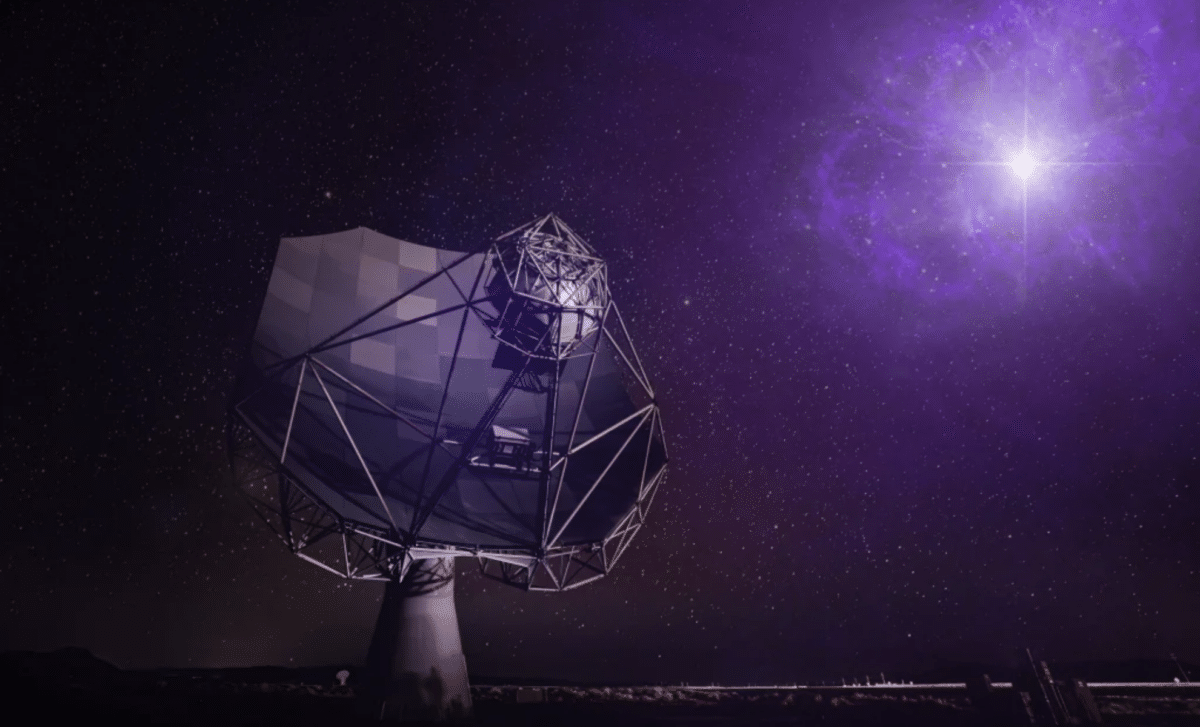
The first light from the next-generation Very Large Array (ngVLA) prototype has been successfully captured, signaling a pivotal achievement in radio astronomy. As announced by NSF NRAO, this advancement takes the ngVLA out of the construction phase and into crucial testing, paving the way for a telescope poised to transform our cosmic perspective.
Opening a New Chapter in Radio Astronomy
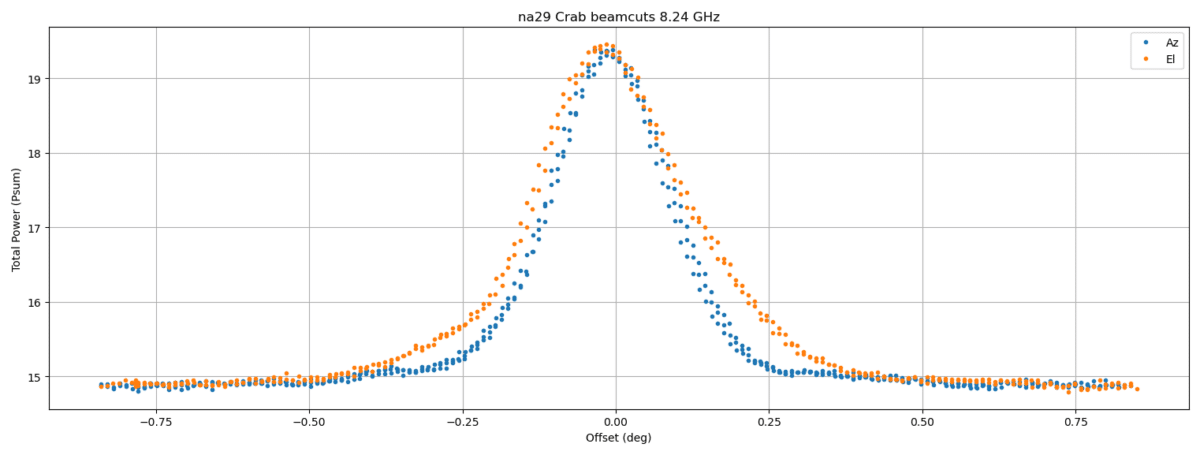
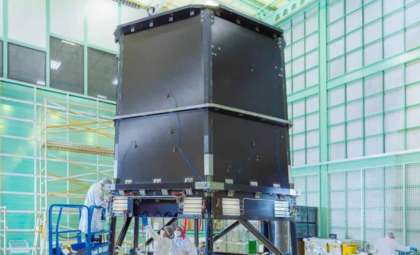
Building on over four decades of remarkable data from the iconic Very Large Array (VLA) located in New Mexico, the astronomy community now anticipates a groundbreaking instrument that will significantly extend the capabilities of radio observations. The ngVLA prototype, a solitary radio dish situated at the VLA site, has performed both solo and joint observations with the VLA’s existing 27 antennas. Its early endeavors included tracking well-known celestial bodies like the Sun and the Crab Nebula, confirming the prototype’s accuracy and dependability.
“This achievement highlights the collective expertise and dedication of NRAO staff, contractors, and the global scientific community,” stated Tony Beasley, Director of NSF NRAO. Beyond showcasing engineering prowess, the ngVLA prototype acts as a stepping stone towards a vast 244-antenna network to be deployed throughout North America.

Synergizing with the VLA Network
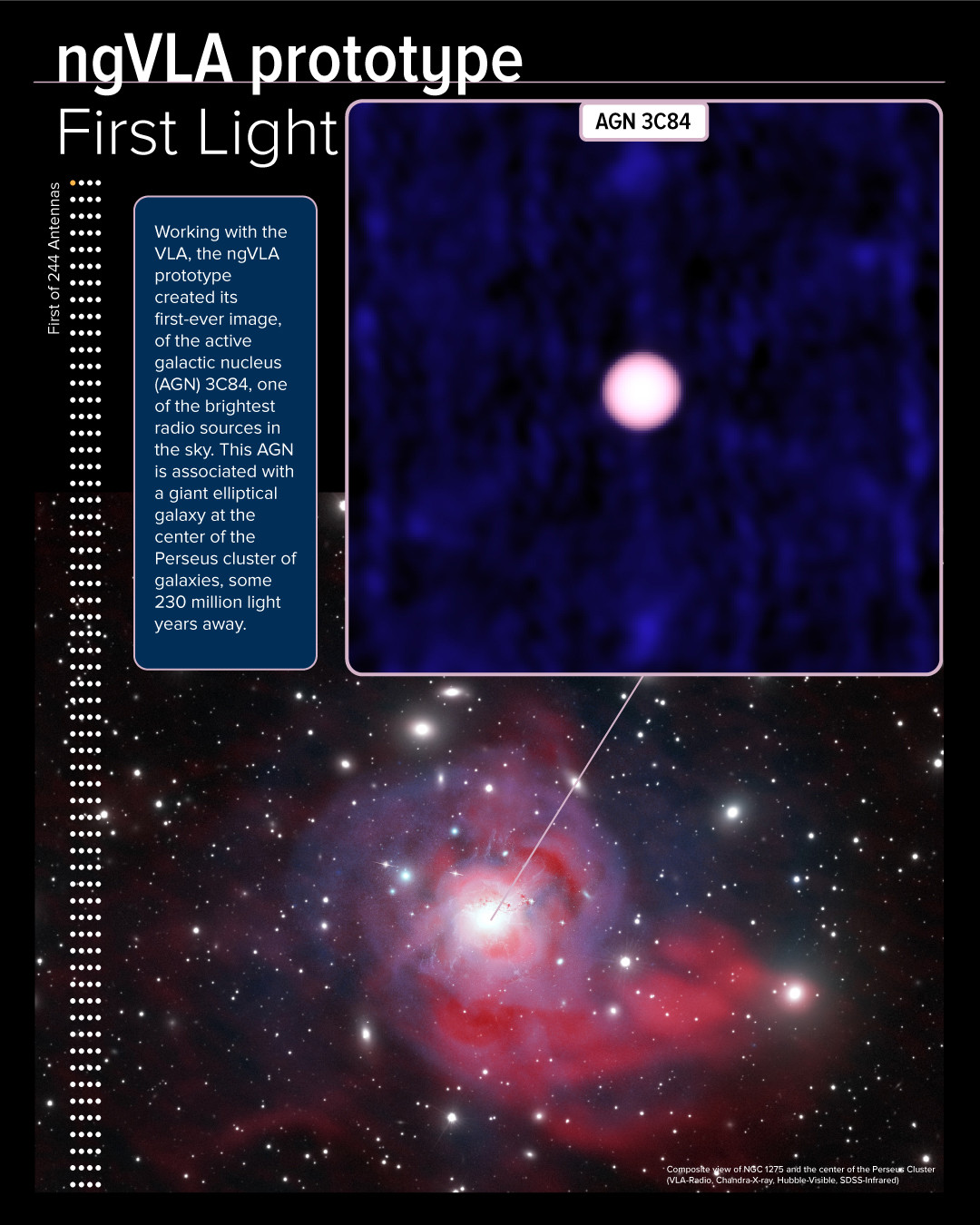
The prototype’s capabilities were most notably demonstrated when integrated as an additional element with the VLA observatory. “The ngVLA prototype served as the ‘28th antenna’ alongside the full VLA array,” explained Chris Carilli, a scientist at NSF NRAO involved in the observations. Together they examined Perseus A, a bright active galactic nucleus approximately 230 million light-years distant. NSF NRAO scientist Paul Demorest added that the prototype was immediately functional, becoming “the newest addition to one of the world’s most powerful radio telescopes.” This collaboration validated the integration of both hardware and software systems essential for ngVLA’s future operation as an immense continental-scale array.
Technical Innovations and Ambitious Expansion
The ngVLA is designed to deliver unmatched sensitivity and spatial resolution, exceeding the performance of the Atacama Large Millimeter/submillimeter Array (ALMA) at similar frequencies. The completed system will encompass 244 antennas spread over more than 8,045 kilometers (5,000 miles) across North America, offering roughly tenfold improvements in collecting area and detail compared to the current VLA. This extraordinary scale will enable researchers to probe phenomena such as distant galaxies, black holes, and cosmic magnetic fields with unprecedented clarity.
Nigel Sharp, NSF program director, highlighted the broad implications: “This prototype antenna is valuable for diverse scientific endeavors due to its high precision and cost-efficiency. The ngVLA stands to become a flagship facility in radio astronomy while also fostering innovations in other scientific fields and potential commercial uses.”
Impacts Extending Beyond Astronomy
Besides advancing science, the ngVLA project is set to bring substantial economic and educational advantages to New Mexico. Economic growth will stem from construction work, permanent jobs, and tourism, while outreach and educational initiatives aim to motivate future scientists and engineers. NSF NRAO is also expanding its footprint in New Mexico, establishing new offices in Albuquerque and a headquarters at New Mexico Tech in Socorro.
In the forthcoming months, ongoing testing and refinement of the ngVLA prototype will continue, preparing it for comprehensive astronomical observations. Every advancement moves the instrument closer to unlocking the universe’s secrets with exceptional sensitivity and precision, heralding an exciting new phase for radio astronomy.
- Categories:
- Space



0 comments
Sign in to Comment