
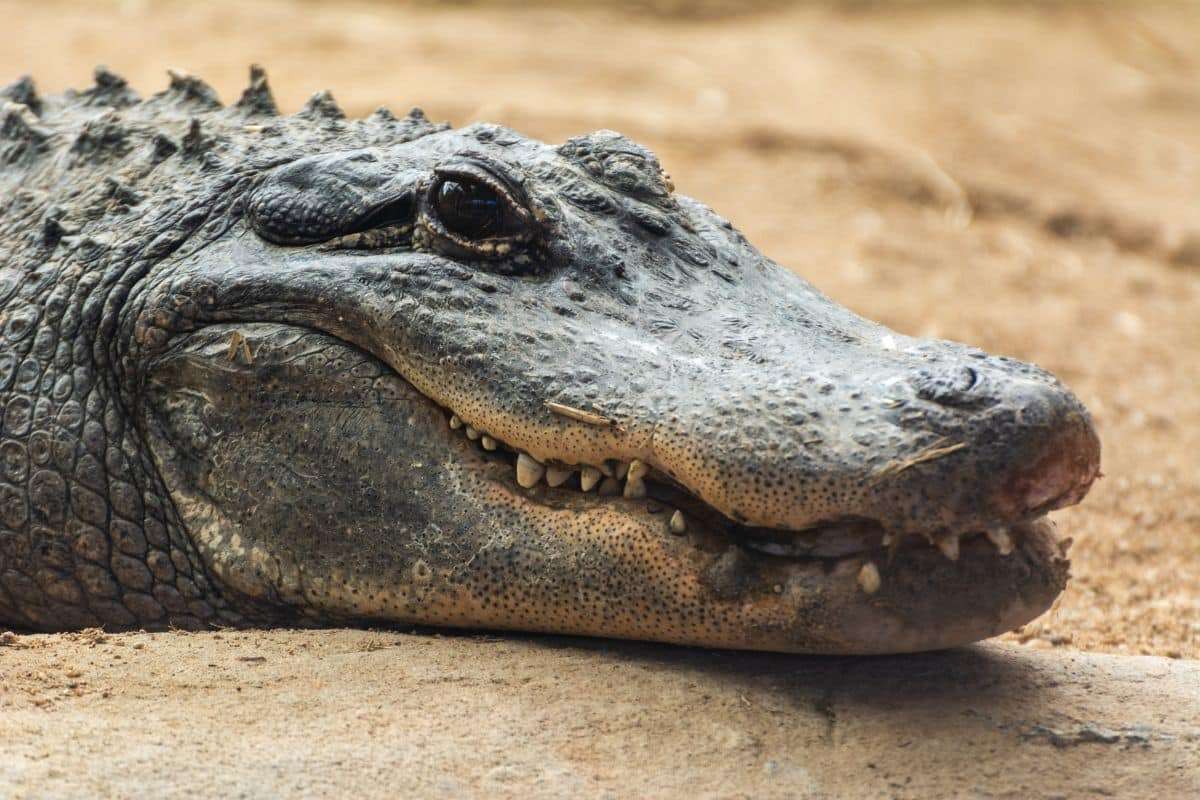
A remarkable discovery in South Carolina has drawn attention as alligators exhibiting a vivid orange coloration were seen near the Little River. The unusual copper-like shade of these reptiles has ignited both scientific intrigue and playful remarks among locals and experts alike. While some liken their appearance to popular culture references such as Pokémon, researchers believe environmental conditions play a key role in this color variation.
Investigating an Uncommon Coloration
The initial observations came from Dan Krieger, a photographer based in South Carolina, who documented these nine-foot-long orange alligators basking in sunlight after leaving the water. Their bright color sharply contrasted with the typical darker, swamp-toned alligators commonly found in the area.
According to the South Carolina Department of Natural Resources (SCDNR), the coloration likely results from contact with iron-rich or clay-laden water during their winter dormancy period, known as brumation. This exposure can temporarily stain their skin until they shed their outer layers.

Though visually striking, experts reassure that these hues are transient and the reptiles will naturally revert to their standard color over time.
Understanding the Causes of Their Orange Tint
Alligators are ectothermic animals that regulate body temperature by changing their surroundings rather than through internal mechanisms like mammals. During brumation—which slows their metabolism from late fall through winter—they often inhabit muddy refuges.
If these waters contain minerals such as iron oxide or clay particles, it can coat the skin similarly to how fabrics absorb rust-colored residue. This phenomenon explains the temporary orange shading without implying any genetic mutation or new species emergence.
The color shift is environmental rather than biological, distinguishing it from mutations reported in other animals elsewhere.
@abcnewsliveSouth Carolina Photographer Dan Krieger spotted 9-foot alligators in an unusual color emerging from the water in his Little River neighborhood, according to The State newspaper. “Usually, an orange alligator is due to a mud that has clay in it, or sometimes it could be rust,” South Carolina Department of Natural Resources said.
Internet Reactions Mix Science and Humor
Following the release of photos showcasing these orange alligators, social media quickly buzzed with imaginative commentary. Many joked that the reptiles resembled mascots from the University of Florida, prompting playful suggestions that more colorful variants might appear.
Others made whimsical comparisons to Charizard, the fiery orange dragon character from Pokémon. One TikTok user humorously speculated, “They’re obviously evolving into Charizards.”
Several viewers offered more grounded explanations in line with the SCDNR findings, such as one comment stating, "Clay, bruh. They were brumating in clay-rich mud.”
Assessing Environmental Impact Possibilities
While natural causes remain the widely accepted explanation, some environmentalists have voiced concerns that the unusual pigmentation could signal contamination from pollutants like heavy metals or industrial waste in local waterways.
At present, there is no evidence linking these color changes to pollution in alligators from the area. The temporary surface discoloration further supports the conclusion of mineral staining rather than toxic exposure.
What Lies Ahead for These Colorful Reptiles?
As warmer temperatures arrive, the alligators are expected to shed their stained outer skin, revealing their usual greenish-gray tones beneath. The phenomenon poses no known risks to their health or behavior but will remain under observation by scientists and wildlife officials.
This curious case of South Carolina’s orange alligators continues to fascinate, blending natural science, public intrigue, and online amusement in a unique wildlife story.
- Categories:
- Nature










0 comments
Sign in to Comment