
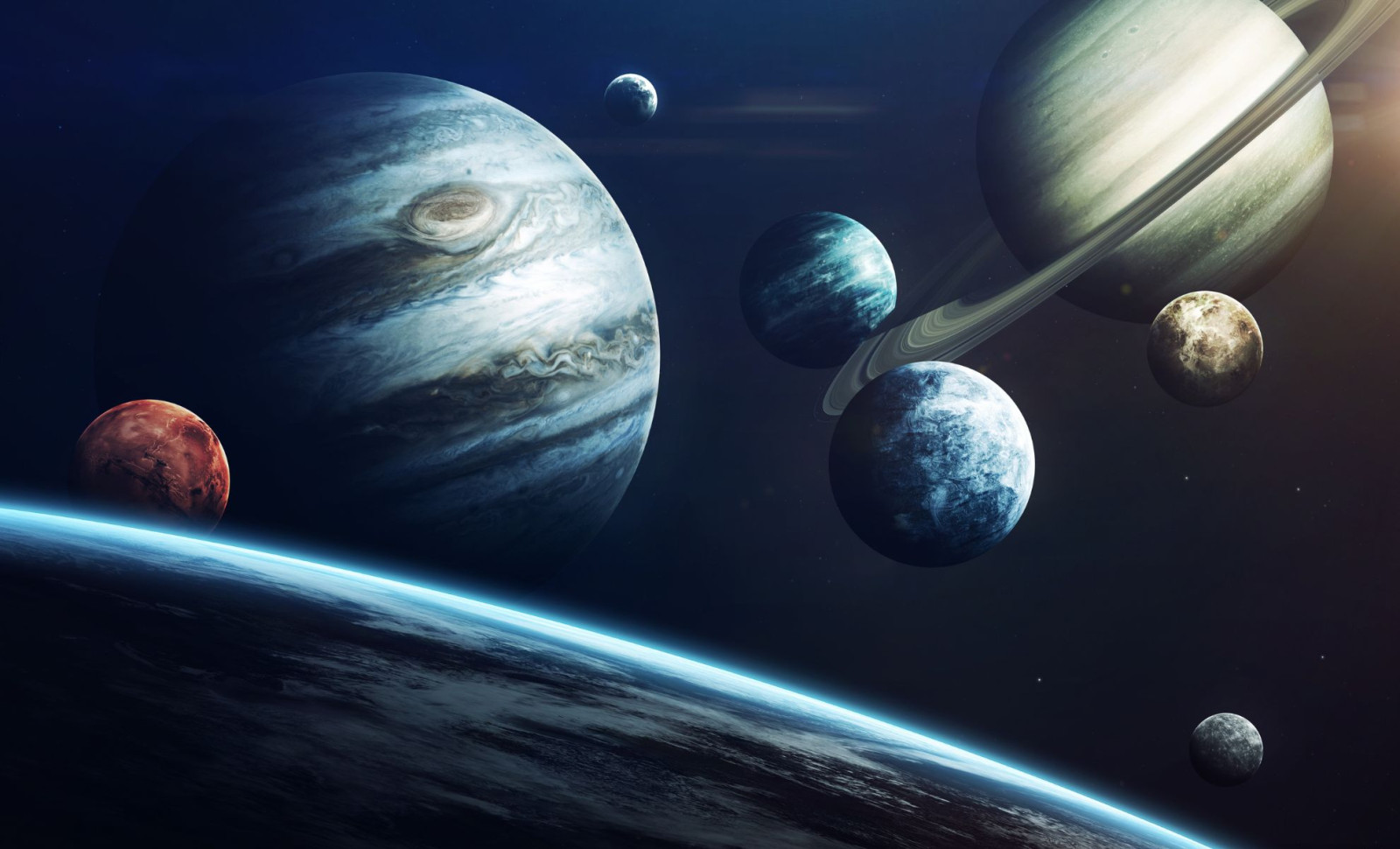
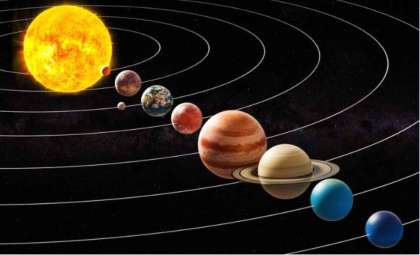
This February, stargazers have a rare treat as six planets will appear clustered together in the night sky, creating what astronomers call a planetary parade.
Such alignments provide a unique opportunity to see multiple planets simultaneously, a spectacle that doesn’t occur frequently. A planetary parade happens when four or more planets line up visibly from Earth, and this month’s occurrence is notable for featuring six planets in close proximity.
Four Planets Easily Seen Without Equipment
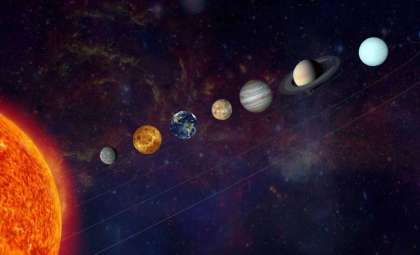
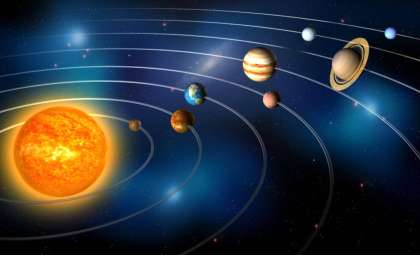
Planetary parades result from planets orbiting the Sun in roughly the same plane. When several happen to be on the same side of the Sun, they appear aligned from our vantage point on Earth.

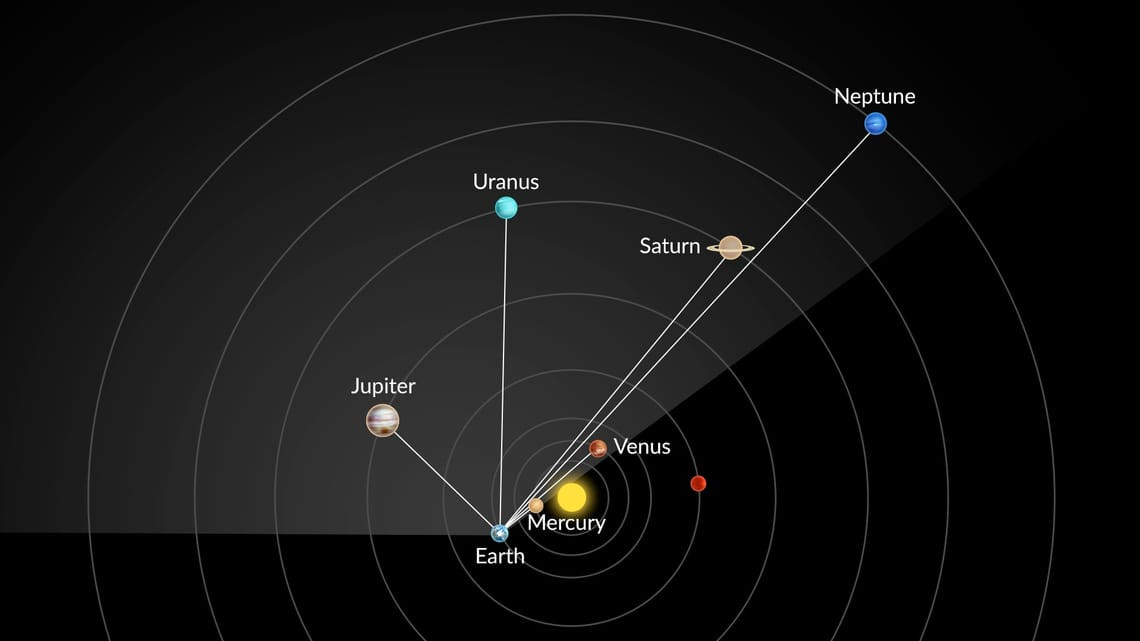
NASA explains that this alignment is only an optical effect. Though they seem near each other in the sky, the planets are actually separated by vast distances. This phenomenon is caused by orbital positioning rather than physical closeness.
Uncommon but Documented Events
Similar planetary alignments have occurred before. For instance, on 27 February 2025, seven planets—Mercury, Venus, Mars, Jupiter, Saturn, Uranus, and Neptune—lined up, an event not expected again until 2040. As reported by The Guardian, Royal Observatory Greenwich astronomer Greg Brown noted that smaller groupings of three to five planets occur regularly.
“Groups of three, four or even five planets being visible aren’t uncommon, regularly appearing throughout each year … But the more planets are involved, the more things need to be aligned to be visible at once. This makes full seven-planet parades fairly rare.”
Best Times and Tips for Spotting February’s Planetary Lineup
Star Walk notes that the spectacle will peak on 28 February when the six planets cluster most tightly at dusk. These viewing events can last weeks, as planets move slowly along their orbits.
“During the planetary alignment on February 28, six planets will be visible in the evening sky, but not all of them will be equally easy to spot. Some shine brightly, while others are fainter and require binoculars or a telescope”, as reported by the same source.
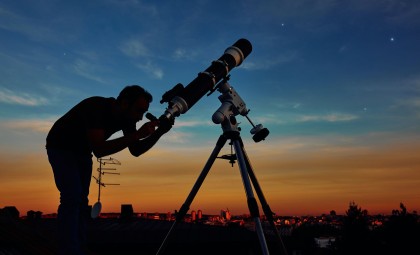
Four planets—Mercury, Venus, Mars and Jupiter—can be seen with the naked eye, while Uranus and Neptune will need binoculars or a telescope. Mercury might be trickier to spot due to its low position near the horizon. The best time to observe is roughly 30 minutes after sunset, looking toward a clear western horizon.
- Categories:
- Astronomy



0 comments
Sign in to Comment