
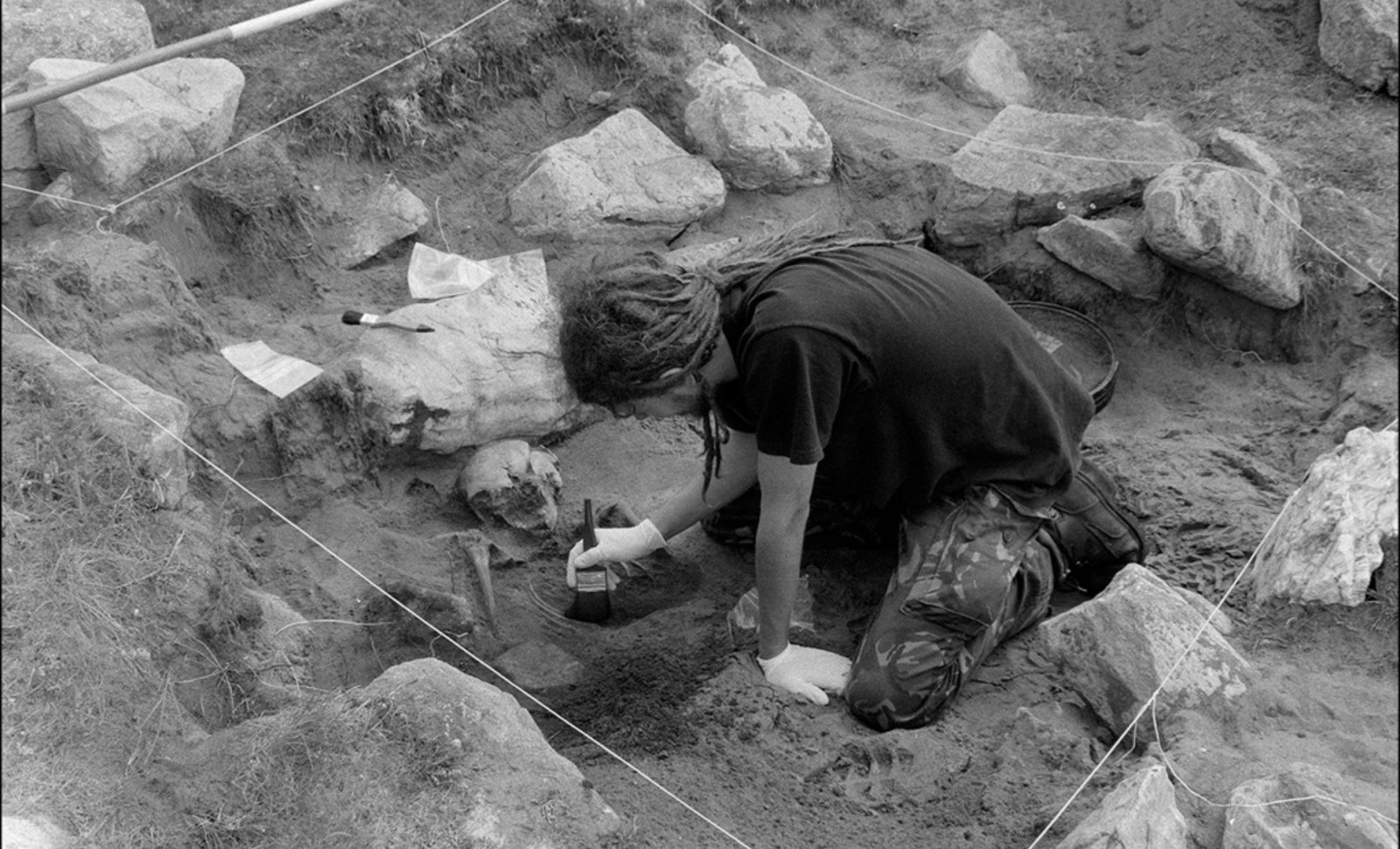
A burial site dating back around 2,000 years in northern Scotland has uncovered evidence of a distinctive ancient ritual involving the extraction of a woman’s brain and the transformation of some of her bones into implements.
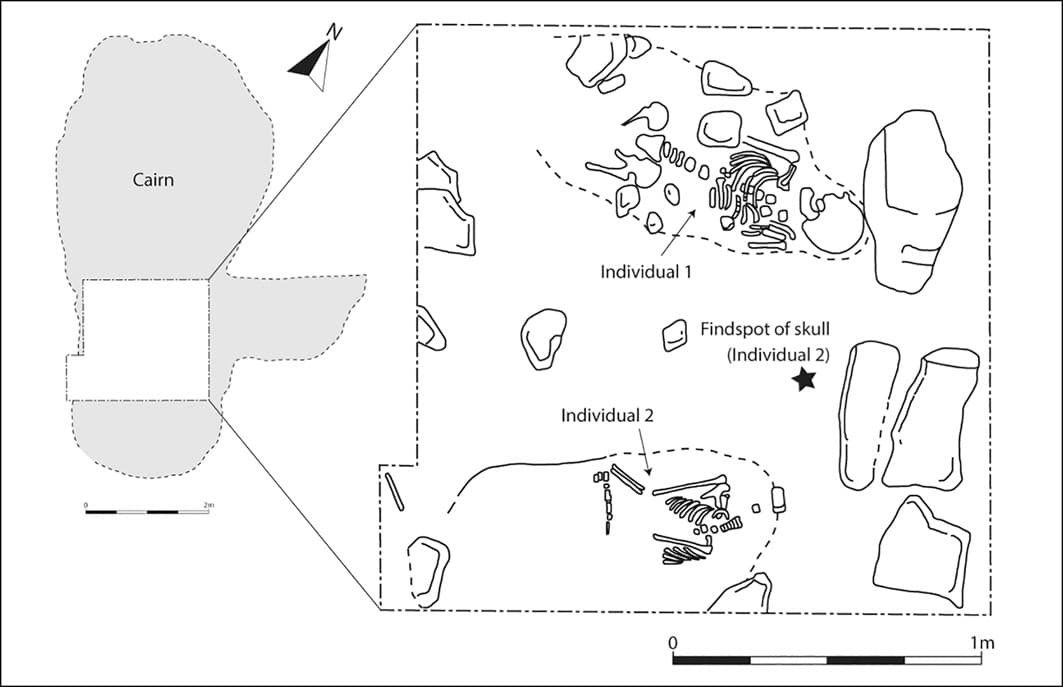
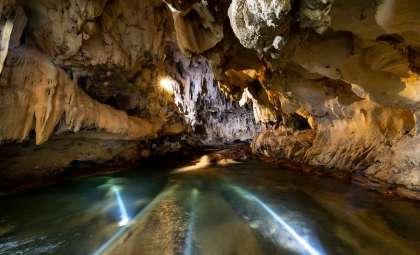
Discovered in 2000 after rabbits unearthed bones near Loch Borralie, the site contained partial skeletons of two individuals from the Iron Age, buried between the 1st century B.C. and 1st century A.D.
Initially, some bone damage was attributed to animal activity, but a recent study published in Antiquity offers a new perspective. Upon reexamination, the researchers found unmistakable signs that humans intentionally altered the bones as part of a funerary custom.

Skull Shows Signs of Intentional Brain Extraction
The adult woman, referred to as Individual 1, was over 30 years old at her time of death. Her skull exhibited an unusual fracture at its base along with cut marks inside the cranium.
The research suggests these injuries resulted from deliberate brain removal shortly after death. The procedure could be related to cannibalistic rites or aimed at cleaning and preserving the skull for display; however, the current data cannot confirm which scenario is accurate.
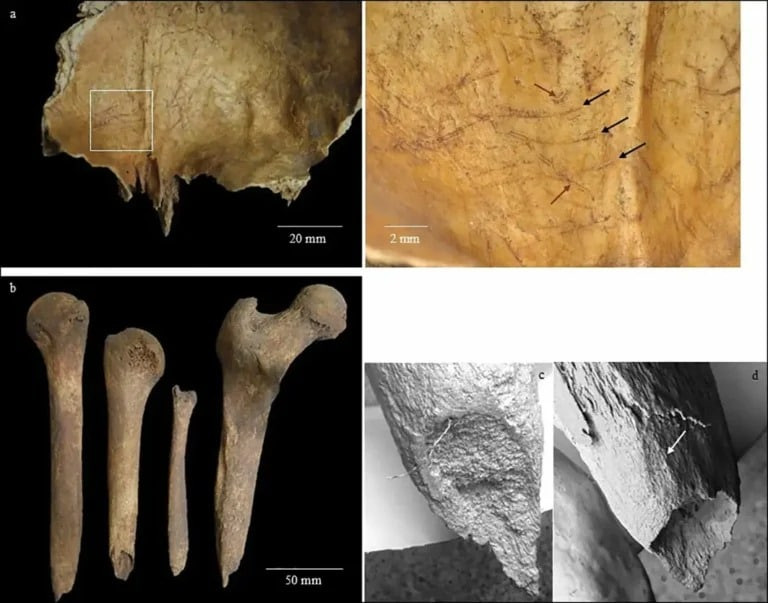
This interpretation revises earlier views that the markings were caused by rats or dogs, instead revealing evidence of human tool use during body processing.
Bones Modified Into Functional Tools
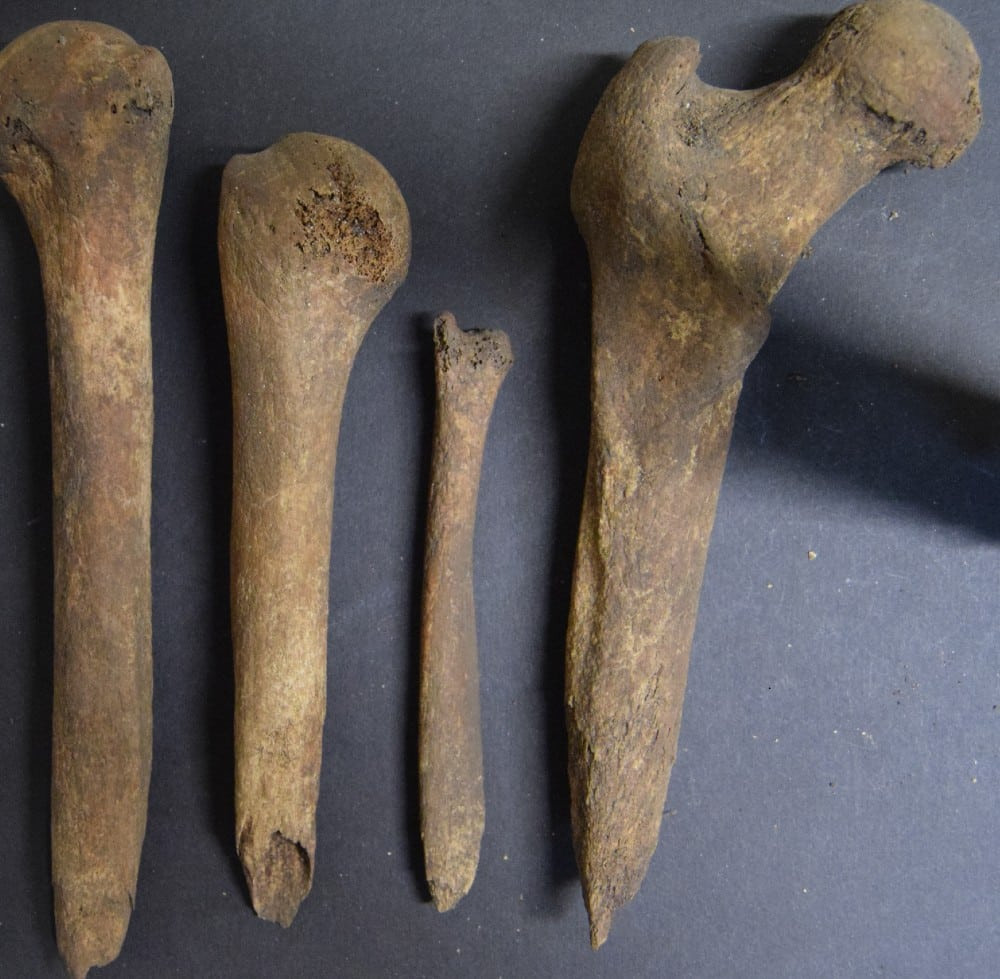
The new analysis highlighted another remarkable feature: three arm bones and one leg bone were skillfully shaped, their inner surfaces sharpened to create pointed edges.
The team noted that these bones were not merely removed but were reshaped and then carefully placed back in their anatomical positions, implying a meticulous reconstruction of the body before burial.
According to a statement from the University of York, lead researcher Laura Castells Navarro commented:
“The motivation behind the extensive manipulation of the skeletal remains of Individual 1 is very difficult to interpret,” she added, “However, the care with which she was reassembled and deposited in the cairn possibly suggests she commanded a level of reverence and respect by her community.”
Genetic Testing Links Buried Individuals
The burial also included Individual 2, a teenage boy approximately 15 years old, whose skeleton showed no signs of significant postmortem alteration.
Genetic analysis indicated the two individuals were likely second cousins, sharing a set of great-grandparents. The study also uncovered more distant genetic relationships connecting the Loch Borralie burials with those from other prehistoric locations, such as the Orkney Islands.
Evidence further suggests historical connections between groups inhabiting Scotland’s northern coast and the Northern Isles, despite the region’s sparse modern population.
“More broadly, our research shows that prehistoric maritime communities periodically moved around the north coast and Northern Isles of Scotland, possibly in small groups,” Castells Navarro.
- Categories:
- Science


0 comments
Sign in to Comment