
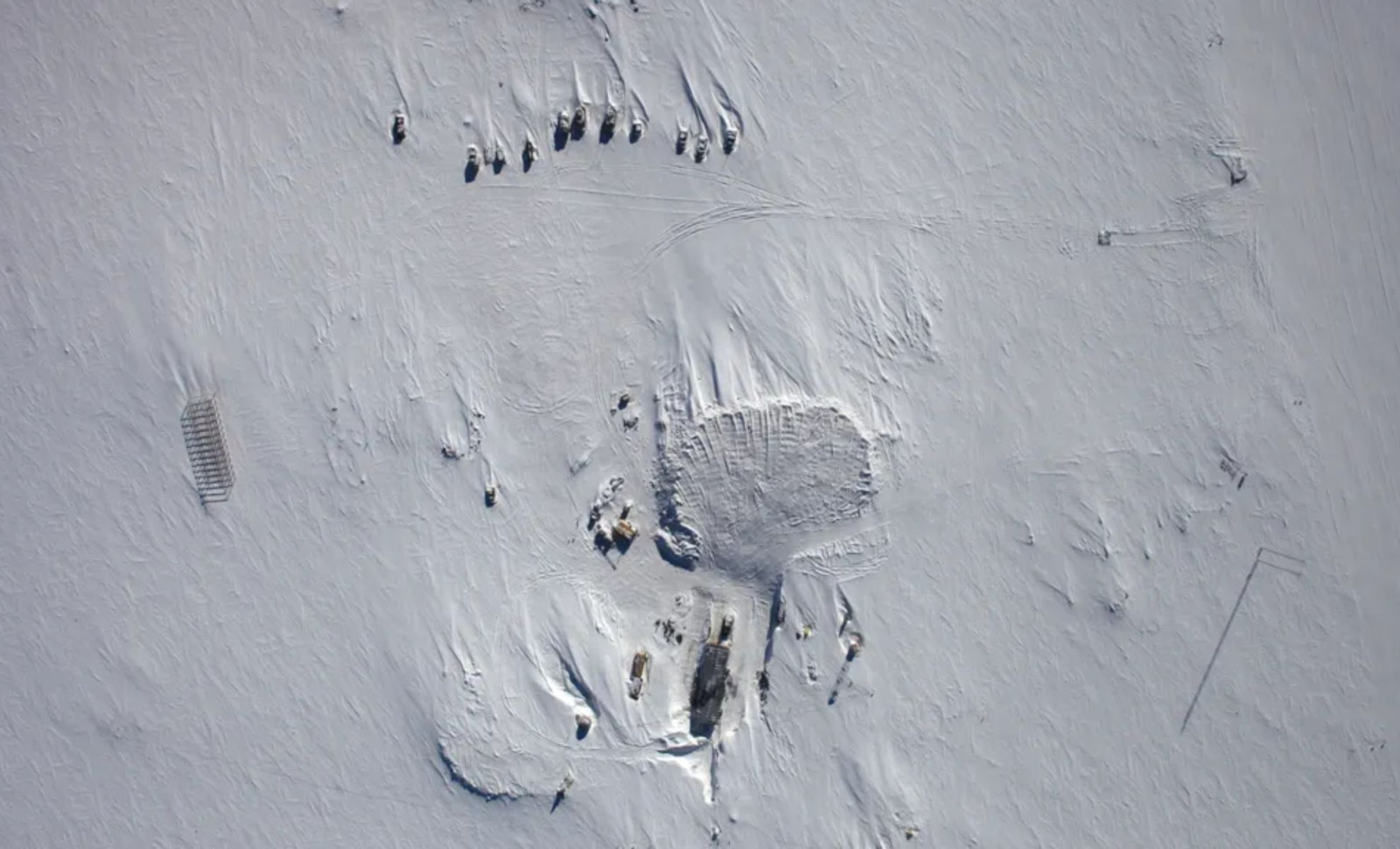
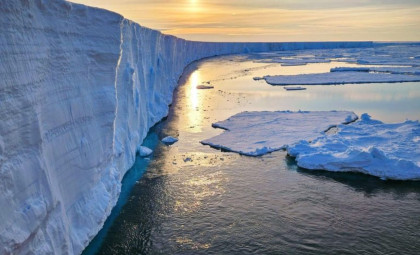
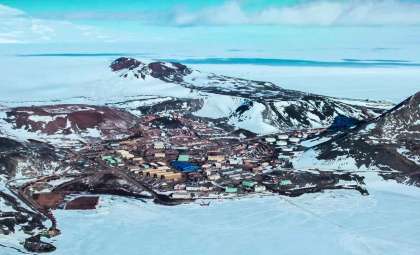
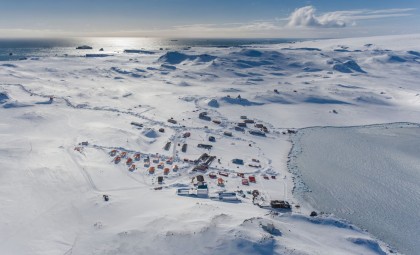
Lake Vostok is among Earth's most secluded water reservoirs, hidden beneath a thick layer exceeding two miles of Antarctic ice. Positioned near Russia’s Vostok research facility, it sits approximately 800 miles from the South Pole. Its dimensions span roughly 150 miles in length and 30 miles in width, making it comparable in size to Lake Ontario and the largest of Antarctica’s 400+ identified subglacial lakes.
This lake’s significance extends beyond geology. Reported findings show that samples connected to the lake harbor genetic material from over 3,500 species, including fungi and bacteria. This unique ecosystem offers scientists an extraordinary opportunity to examine life thriving in cold, high-pressure, and lightless conditions.
A Massive Lake Concealed Beneath the Ice Sheet
Though researchers have operated at Vostok station since 1957, the presence of the lake was initially unknown. In the 1960s, a Russian pilot and geographer observed a smooth, flat ice expanse from the air, sparking initial speculation about what lies underneath.

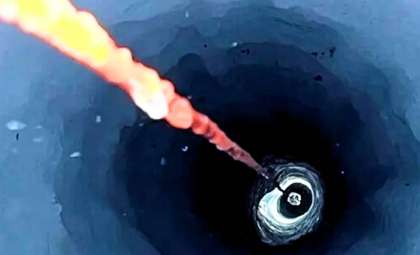
Confirmation arrived in 1993 via satellite radar capable of penetrating thick ice. Nearly twenty years later, in 2012, scientists successfully drilled through the ice sheet after extensive preparation. This breakthrough transformed an ordinary Antarctic ice plain into one of the planet’s most intensively investigated hidden environments.
An Isolated Ecosystem Devoid of Sunlight
Lake Vostok originated as an immense surface water body before being capped by ice. According to the European Space Agency (ESA), its water volume exceeds that of the Grand Canyon by at least 25%. Live Science reports the lake has been isolated for a minimum of 15 million years, possibly as long as 20 million. This prolonged isolation is a key factor that attracts scientific interest.
The lake’s water temperature hovers around 27 degrees Fahrenheit (or -3 degrees Celsius), staying liquid because immense pressure lowers its freezing point. Without sunlight, organisms survive by utilizing minerals dissolved in the water and chemicals from the underlying bedrock instead of relying on photosynthesis.
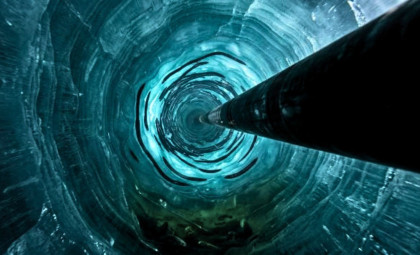
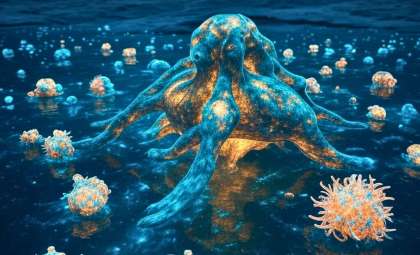
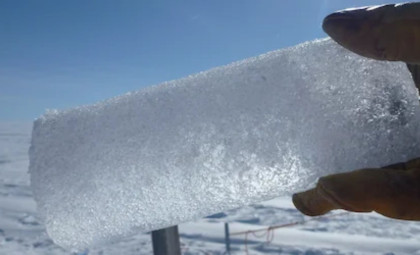
Scientists analyzed accretion ice, the frozen layer above the nearby subglacial reservoir, uncovering DNA from more than 3,500 living forms. These included fungi, bacteria, and microbes linked to fish digestive systems. The detection of marine species suggests that Lake Vostok was once connected to ocean waters.
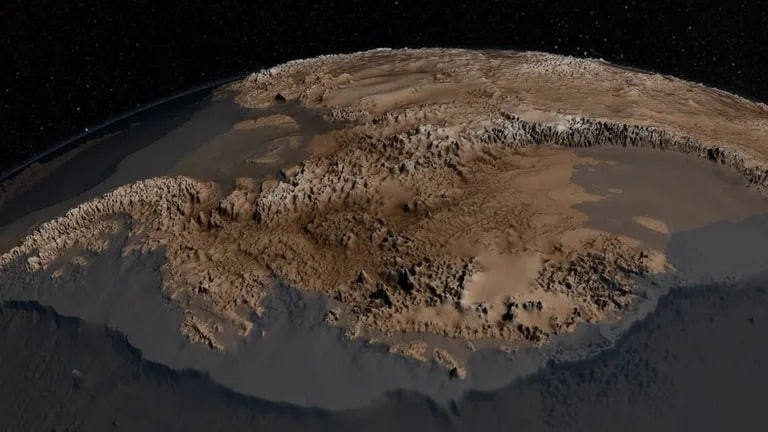
Antarctica’s Under-Ice Terrain Unveiled
Under its icy cover, Lake Vostok reveals a complex underwater terrain. It reaches depths of roughly 0.6 miles in the south and becomes shallower toward the north and southwest. Geological surveys discovered a ridge dividing the deeper and shallower areas.
Researchers propose that this ridge might host hydrothermal vents akin to those found in Pacific Ocean depths. Such features are significant because they may provide energy sources that allow life to endure in sunlight-deprived zones.
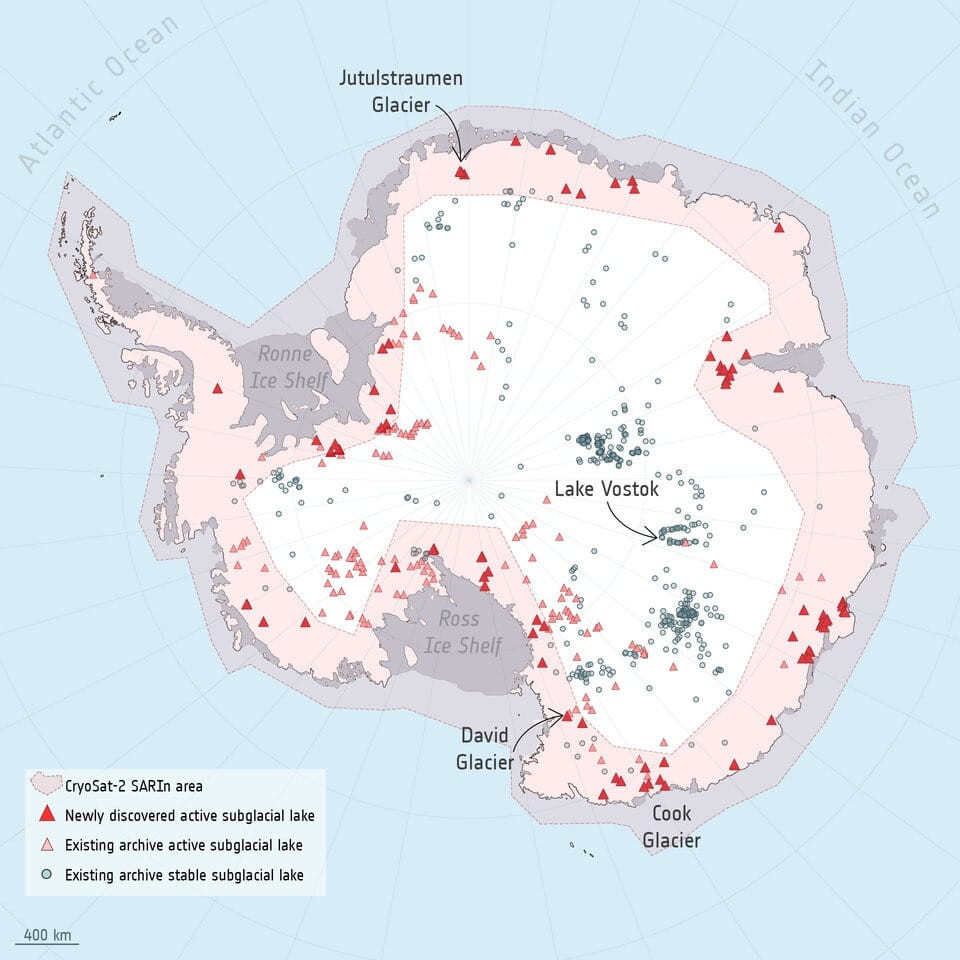
The lake’s water primarily originates from the overlying ice sheet, while modest geothermal heat gradually melts Antarctic ice’s base helping sustain these subglacial lakes scattered across the continent.
“It was fascinating to discover that the subglacial lake areas can change during different filling or draining cycles. This shows that Antarctic subglacial hydrology is much more dynamic than previously thought, so we must continue to monitor these lakes as they evolve in the future,” stated Anna Hogg, a professor at the University of Leeds.
Connecting Earth's Hidden Lakes to Extraterrestrial Environments
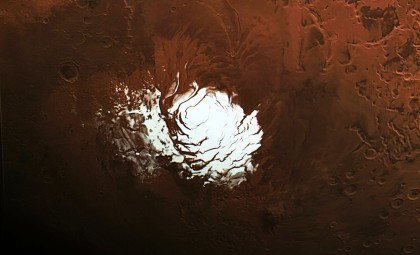
The extraordinary research on this vast subglacial lake extends implications beyond Antarctica’s borders. The lake’s secluded, lightless waters offer an outstanding analogue for icy extraterrestrial environments where liquid water might exist beneath thick ice layers.
Scientists hope that continued exploration will shed light on the potential for life on other planets and moons, including Europa, a Jovian moon covered by ice. Though vastly different, both settings involve isolated, pressurized bodies of liquid water inaccessible to sunlight and atmospheric exchange, offering clues into how life could survive under seemingly inhospitable conditions.
- Categories:
- Science


0 comments
Sign in to Comment